Short on Sound Mixers, the Industry Trains Its Own
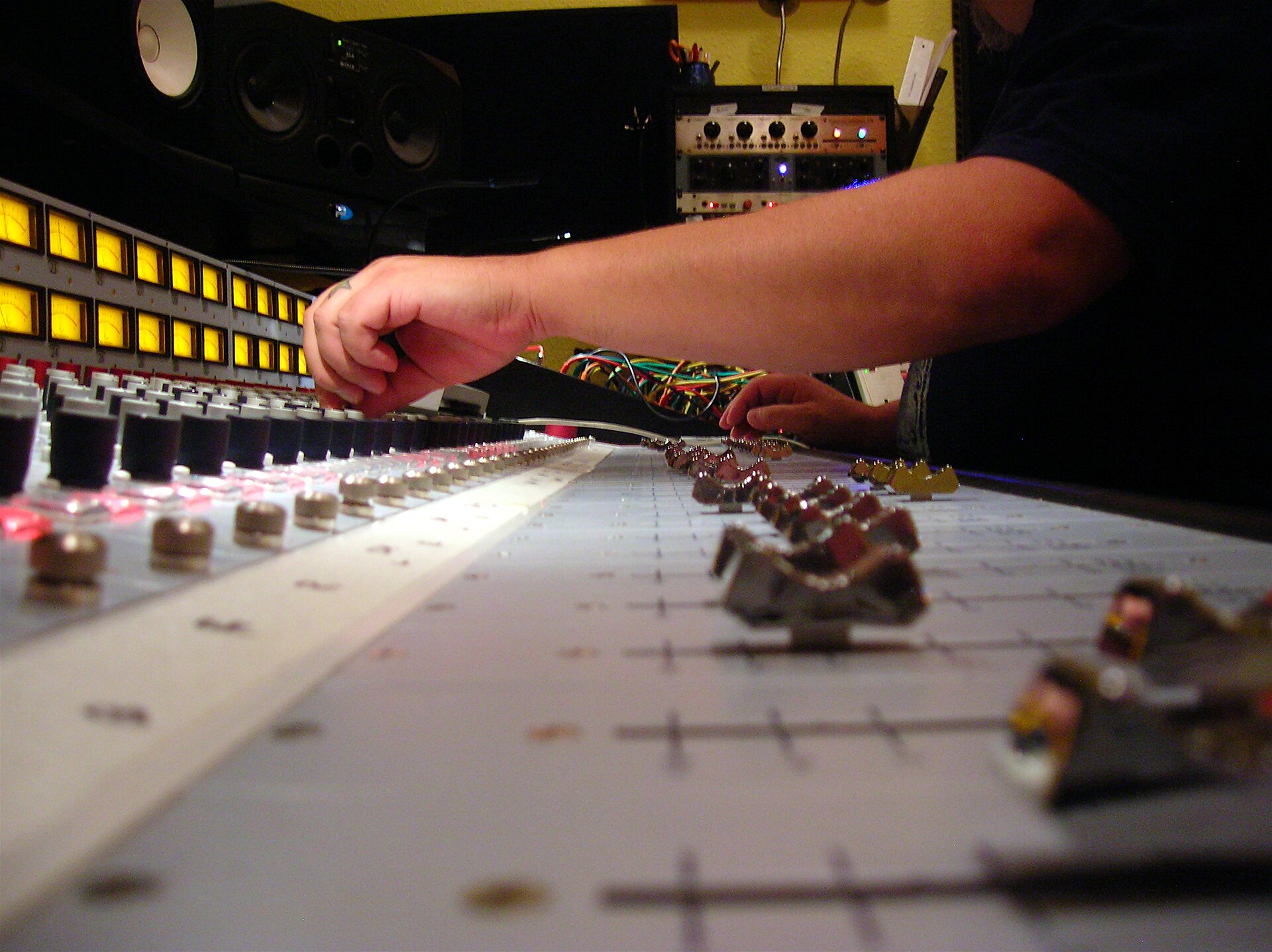
A shortage of production sound mixers has prompted a paid apprenticeship program pairing newcomers with working veterans on real sets.
Studios, stages and the people who keep them running.
A shortage of production sound mixers has prompted a paid apprenticeship program pairing newcomers with working veterans on real sets.
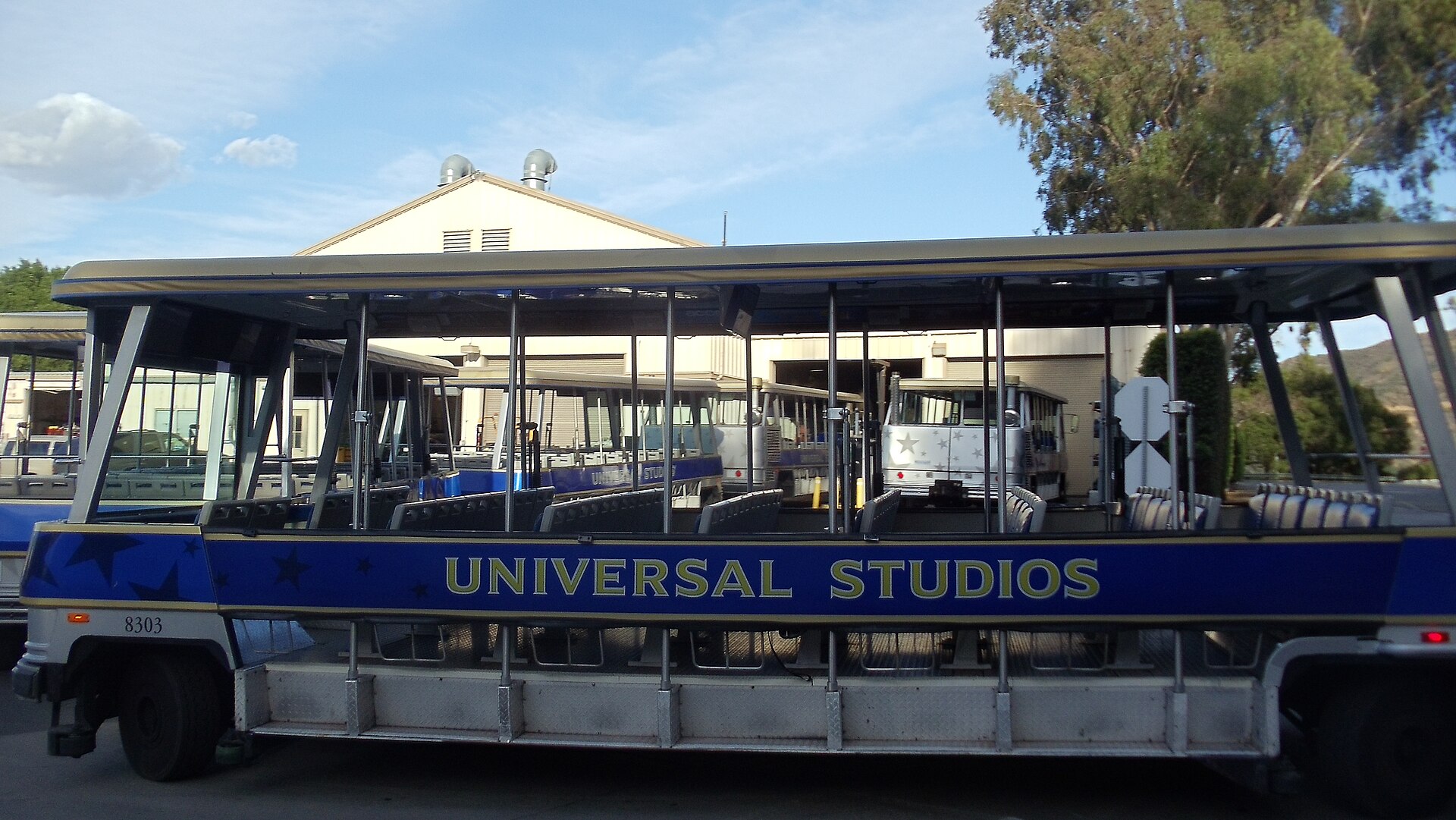
Studio tours posted record spring attendance even as production slowed, underscoring tourism's role as the industry's steadiest business.
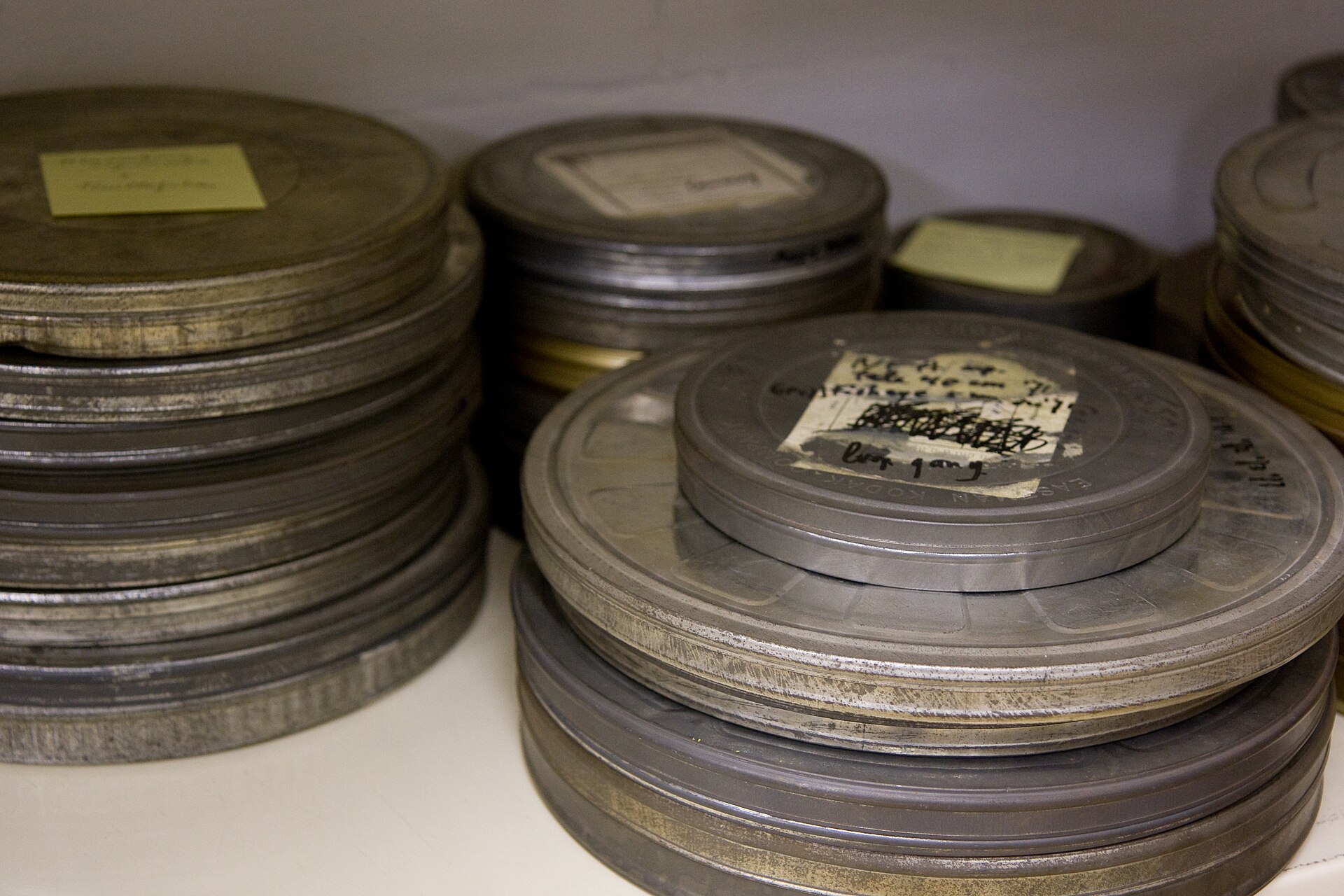
As digital finishing became the default, one neighborhood lab pivoted to archival scanning and the handful of productions that still expose celluloid, keeping a fading craft at work.
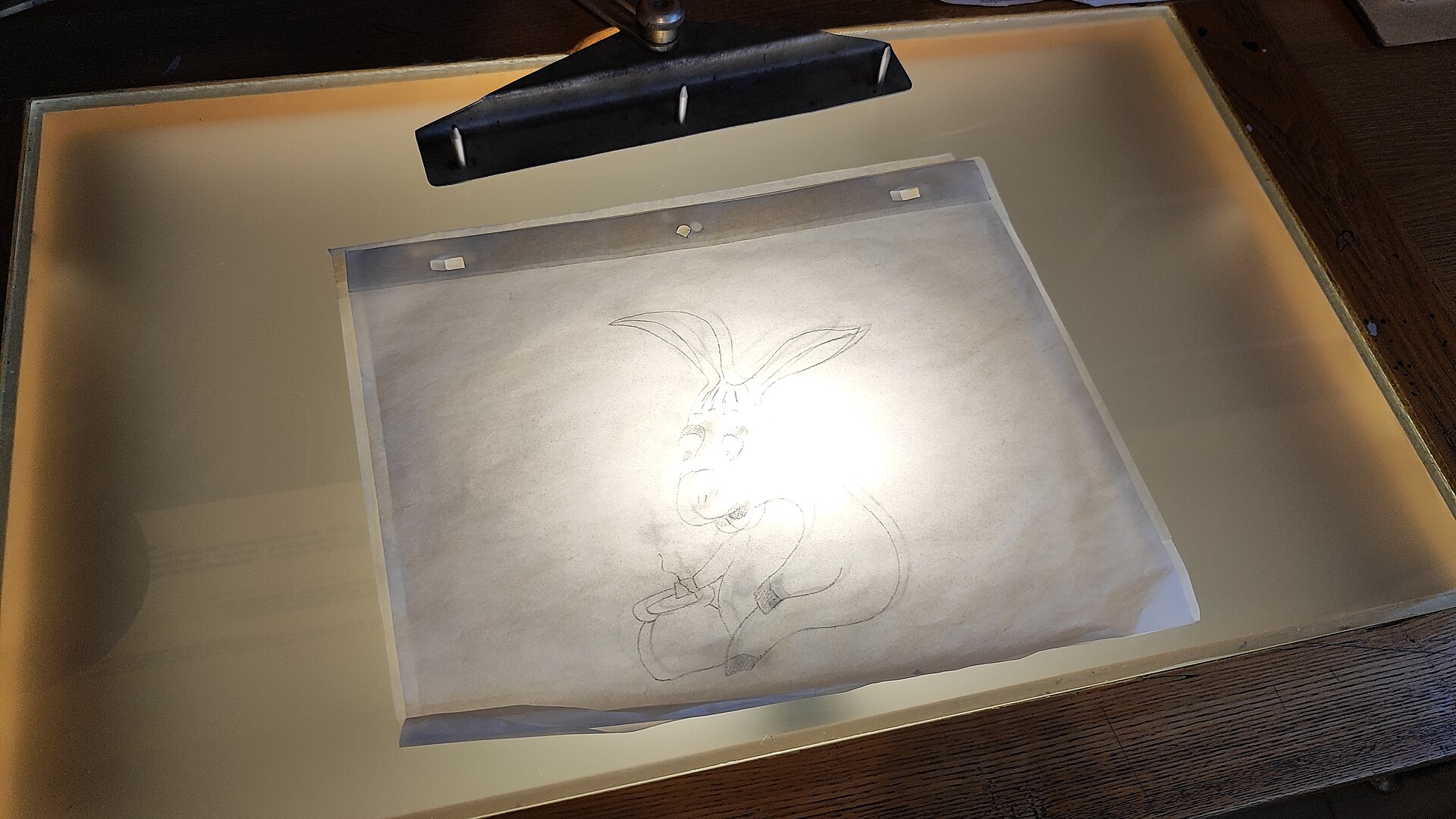
As image-generating tools seep into pre-production, the artists who sketch a film before it is shot are neither panicking nor pretending nothing has changed.
Immersive attractions, corporate events and commercial shoots are filling soundstages that a thin production year has left dark — a stopgap owners describe without much romance.
No application has been filed and the studio will not comment, but talk that a landmark soundstage could be eyed for redevelopment has unsettled a workforce already thinned by a slow year.
For a few weeks each winter, the campaign screenings pack Hollywood's revival theaters and put a seasonal payroll to work: moderators, projectionists, valets and the caterers who feed the lobby.
A Hollywood stage complex that once turned away everything but film and television is filling its empty months with corporate parties, immersive attractions and commercial shoots.
A family-run film library on Cahuenga is scanning tens of thousands of cans of stock footage, wagering that real archival material still has buyers in a market that wants everything instantly.
A Hollywood post-production house that finishes other people's films has cut hours and let staff go, a sign the downturn has moved from the sets to the rooms where the work is put together.