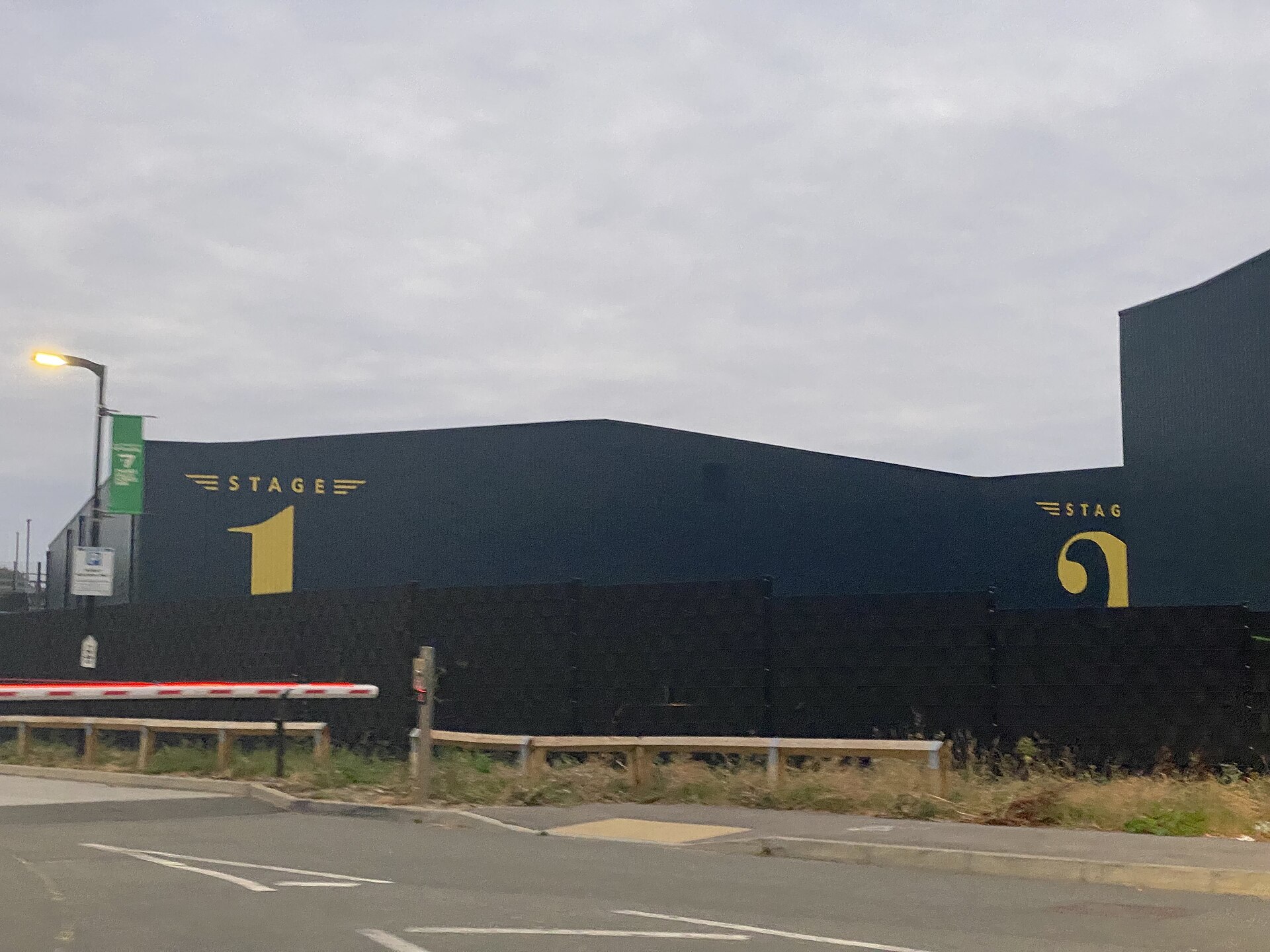
HOLLYWOOD — On a lot where a television drama shot for the better part of a decade, the biggest stage now holds a walk-through attraction: a ticketed maze of themed rooms that a company built in three weeks and expects to run through the summer.
The tenants are not a film crew, and everyone involved is careful not to pretend otherwise. But the rent clears, and in a year when the stage might otherwise sit empty, that has been enough.
“A dark stage still costs money every day it’s dark — insurance, security, the loan,” said Priti Ramanathan, who manages bookings for a mid-sized stage operator in the neighborhood. “For a while we held out for productions, because that’s what these buildings are for. Then we did the arithmetic. An immersive show that pays for four months beats a soundstage waiting on a phone call that isn’t coming.”
The shift is visible around Hollywood as production stays soft. Stages that once turned away anything but film and television work have opened their doors to immersive attractions, product launches, corporate meetings, awards rehearsals and the occasional music video that needs a big controlled space for a night. Some operators have set up small teams just to chase the event bookings.
Not everyone is at ease with the trade. The crews who built careers on these stages see the change as a symptom, not a cure.
“I’ve rigged lights in that building for twenty-two years, and last month I watched them load in a haunted-house company,” said Colm Deverux, a set electrician who has worked the lot on and off. “I’m not too proud for the work — I hung their lights, took their check. But nobody should mistake it for the industry coming back. It’s the building finding a way to eat while it waits.”
Operators say the events have proven steadier than they expected and, in some cases, gentler on the structures than a demanding shoot. An immersive attraction sets up once and runs for months, without the constant construction and strike of a production schedule. The downside is that events pay less per day than a studio shoot at full tilt, and they do not employ the same deep crews.
There is also the question of what happens to the neighborhood’s identity if its stages become, in part, venues. The buildings were designed to make things the world watches later, not to gather crowds who come to be inside them now. A few preservation-minded residents have begun asking whether an events business is a bridge to production’s return or a slow conversion into something else.
Ramanathan says she does not have the luxury of answering that. Her calendar runs a season at a time, and right now the season is booked with a maze, a two-day tech conference and a car company that wants the stage for a launch.
“Everyone keeps asking if this is the new model,” she said. “I don’t know. I know my building’s lit this quarter and my people got paid. Ask me what it means when the shoots come back and I have to decide who to turn away.”