HOLLYWOOD — For two years, the story of the production slowdown was told through the sets that went unbuilt and the crews that went uncalled. It has now reached a quieter link in the chain: the finishing rooms, where a film is edited, colored and mixed long after the cameras have stopped.
A post-production house near Seward Street that handles that late-stage work has cut its staff and shortened its hours this fall, its owner said, because the jobs that once arrived in a steady line have slowed to a trickle.
“Post is the caboose,” said Marguerite Sowande, who has run the shop for eighteen years. “When production stops, we don’t feel it that week. We feel it six months later, when the thing that would have been on our machines was never shot. That six months is now. My winter calendar has holes in it I haven’t seen since I started.”
Sowande said she had let go of two full-time assistants and moved the rest to a four-day week. She has begun renting one of her color suites by the day to anyone who needs it — a music video, a commercial, a wedding film — work she would not have chased three years ago.
“You take what comes through the door,” said Idris Falkenrath, a colorist who has freelanced in these rooms for a decade and now assembles a month from scraps. “A trailer here, a corporate video there. It keeps my hands working. It does not add up to what a feature used to pay for a season.”
The shops that do this work are mostly invisible to the public. They carry no marquees; their names roll by in the end credits that empty a theater. But they employ the specialists — editors, colorists, sound mixers, conform artists — whose skills took years to build and do not transfer easily to another trade.
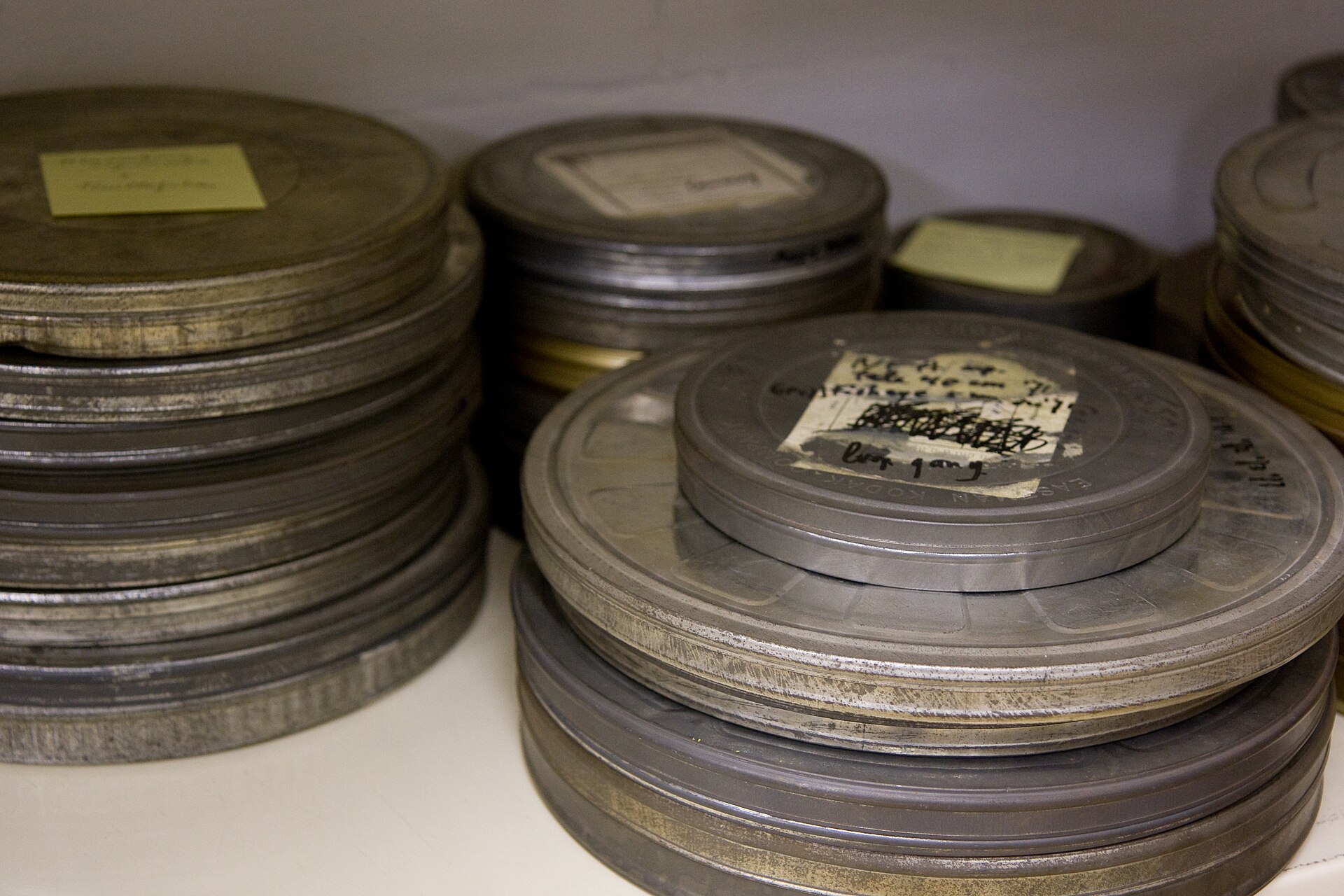
On a shelf in Sowande’s front room sit rows of old film cans, relics from the years before the work went digital, kept partly for sentiment and partly because clients like the look of them. She nodded at the cans and said the room behind them had once run two shifts.
Falkenrath said the worry was not only this winter but what the winter does to the people. “You can lose a generation of finishers in a couple of slow years,” he said. “They don’t wait around. They go do something that pays the rent, and a lot of them don’t come back to it.”
Sowande is not planning to close. She has weathered slow stretches before, though none, she said, quite this long. She keeps the calendar open and the machines maintained, on the theory that the work will return and will need somewhere to go.
“The films will get made again,” she said, running a cloth over a monitor no one was using. “I intend to still be here to finish them.”