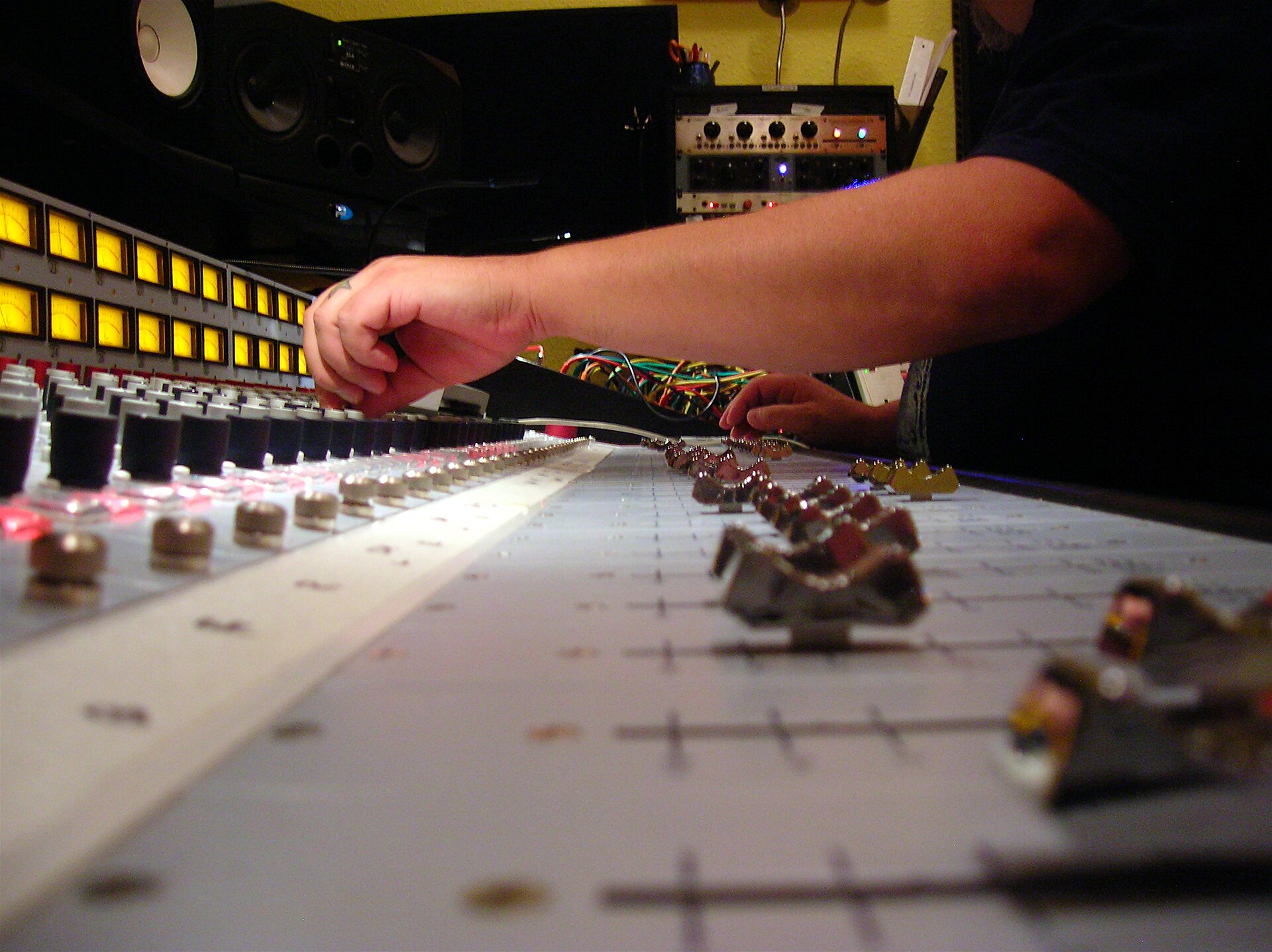
HOLLYWOOD — At 1:20 in the morning the corridor smells of coffee and the third mixing stage is running a dialogue pass on an episode that has to be approved in London by nine.
Nine in London is one in the afternoon here, which sounds like plenty of time until you understand that the notes will come back at four in the afternoon London time, which is eight in the morning here, and that the mix has to absorb them and go again. Somewhere in that geometry is the reason a 22-year-old post-production house on Selma Avenue now employs people who arrive at nine at night.
“We did not add a night shift because we are busy,” said the facility’s owner, who asked that the company not be named because two of its clients have not been told the work is done overnight. “We added it because the alternative was losing the account to a facility in a country where one in the afternoon is a normal hour to be awake. That is the entire competitive situation. It is not about talent. It is not even really about price anymore.”
The company runs four mixing stages, two color suites and an edit floor in a converted 1948 building it has occupied since 2004. Through the 2010s its work was largely domestic scripted television, delivered on schedules set in this city. Today, by the owner’s estimate, something over half of its volume is finishing work for series and films whose producers, post supervisors and approving executives sit in the United Kingdom, Germany, Australia or Singapore.
The night shift — one mixer, one assistant, a machine-room operator and, three nights a week, a colorist — began in April as a trial and became permanent in June. It pays a differential of 15 percent, which the owner described as “what we could afford, not what it is worth.”
The people working it have a more textured view than either enthusiasm or complaint.
“The work is better at night,” said the mixer on Wednesday’s overnight, who has been in the trade for sixteen years. “Nobody walks in. No producer drops by. No phone. I have done my best work in this building between midnight and three and I would not give that back.” He paused. “I also have not eaten dinner with my kid on a weekday since April, and my doctor has opinions.”
His assistant, 27 and three years out of a sound program at a state school, framed it as the trade she was expecting to make. Night work is how people without seniority get onto a stage at all, and always has been; what is different, she said, is that in the old arrangement nights were where the junior person learned before graduating to days, and it is not obvious to her that days are still there to graduate to.
That is the question hanging over the arrangement, and the owner does not pretend to have settled it. Overnight capacity is genuinely competitive: a facility that can turn a mix while the client sleeps is worth paying for, and the company has picked up three accounts this year on that basis alone. But a business whose advantage is that its staff are awake at the wrong hours is competing on the one thing everybody can eventually copy.
“Every facility in this town is having this conversation right now,” said a post supervisor who books work at four Hollywood houses and asked not to be named because she is a customer of all of them. “Two have gone to nights. One is quietly doing the mix in Warsaw and putting a Hollywood name on the delivery. That last one is not a rumor, and it is what the night shift is holding off.”
The building’s own history is not lost on the people in it. The 1948 structure was built as a radio recording facility and ran three shifts through the fifties, when live programming meant somebody was always in the room. Sometime in the sixties it went to one shift, and stayed there for sixty years.
At 3:50 the dialogue pass finished. The assistant made the delivery, checked the transfer twice, and sent a message that would arrive in London at 11:50 in the morning, marked, at the mixer’s insistence, simply: ready for your notes.