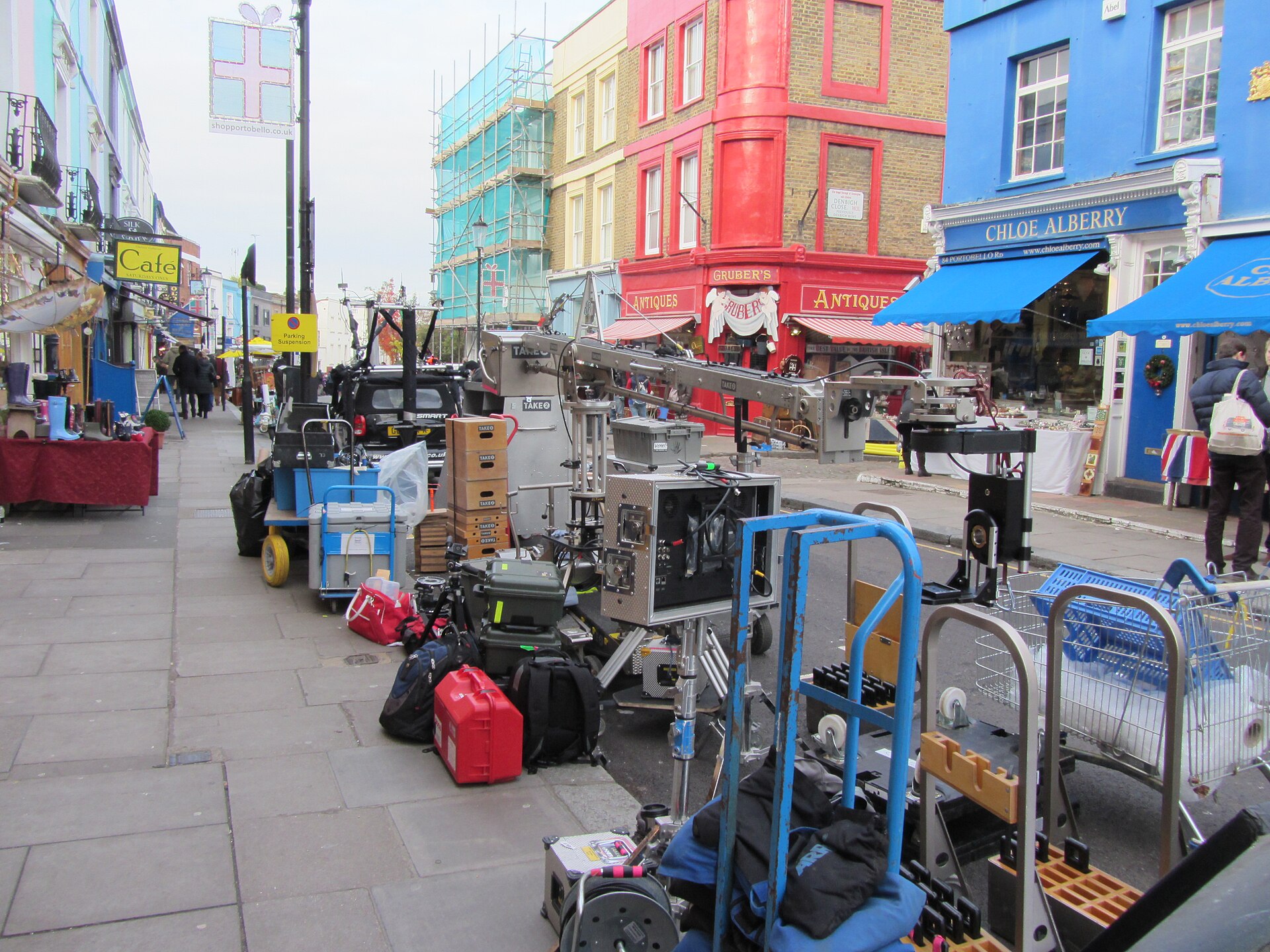
HOLLYWOOD — The number that will be quoted is 9 percent, and it is real. Permitted production days in the Hollywood permit zones between the first of May and the middle of July came in 9 percent above the same window last year, the first summer-over-summer increase since 2022.
The number that matters to the people who own a truck is the one underneath it.
Of the 214 additional permitted days, 191 were for commercials, branded content, still photography and music videos. Feature and scripted television days rose by 23, on a base that has fallen by more than half since 2021. Take the commercial work out and the scripted side of the summer is up about 1.4 percent, which in a data series this noisy is indistinguishable from flat.
“I want to be honest about what we are celebrating,” said a permit-office staffer who asked not to be named discussing figures the office publishes but does not interpret. “Nine percent is better than negative nine. It is a real recovery in one category. It is not the category that hires forty people for eleven weeks.”
The distinction is the whole of the current anxiety below the line. A commercial shoot is short, well-paid by the day, and over. A two-day car spot on a Boulevard rooftop might employ a crew of fifty and put more money in a grip’s pocket that week than a scripted job would. What it does not do is produce the thing crews organize their lives around, which is a run — the twelve or sixteen or twenty-two consecutive weeks that pay a mortgage and, critically, deliver enough qualifying hours to keep health coverage.
“You cannot make a year out of Tuesdays,” said Danny Reyes, a dolly grip who told this newspaper in July that he was weighing a move to Atlanta and who has since put a deposit on a rental there while keeping his Hollywood apartment through October. “I have worked more days this summer than last summer. I have worked for eleven different employers to do it. Ask me in December whether I have my hours.”
Roughly a third of the commercial gain, the permit data suggests, is one thing: the fee waiver. The council’s pilot waiving film-permit fees for small productions, advanced in June, took effect for shoots of eight or fewer crew and no street closure. Applications in that category more than doubled in six weeks. This is precisely what the pilot was designed to do and it is working, and the shoots it is bringing back are two people and a camera.
The other visible driver is less encouraging when you sit with it. Several commercial producers said, independently, that they are shooting in Hollywood this summer specifically because stages and locations are cheap and instantly available — that a stage which two years ago required a four-month lead can now be had in nine days at a rate they described, in one case, as “embarrassing to say out loud.”
“We are the beneficiaries of somebody else’s terrible year,” one line producer said. “I know exactly what that sounds like. I still booked the stage.”
The stages themselves have adapted, as this paper has reported repeatedly: immersive shows, live events, corporate offsites, a haunted attraction in October. That revenue is genuine and it keeps the doors open. It employs a fraction of the people a shoot does.
What the summer figures cannot show is whether the scripted floor has actually stopped falling. Two of the three companies that make up most of the scripted volume in these zones have ordered fewer episodes per season than they did three years ago, a structural change nobody expects to reverse. The people who read these numbers professionally have started using a phrase that ought to worry the city more than any single percentage: they say the industry is not recovering but reshaping, and that the reshaped version needs the same stages, the same permit office and the same city, with about two-thirds of the crews.
The permit office publishes the next quarterly figures in October. Mr. Reyes said he will be reading them from wherever he is.