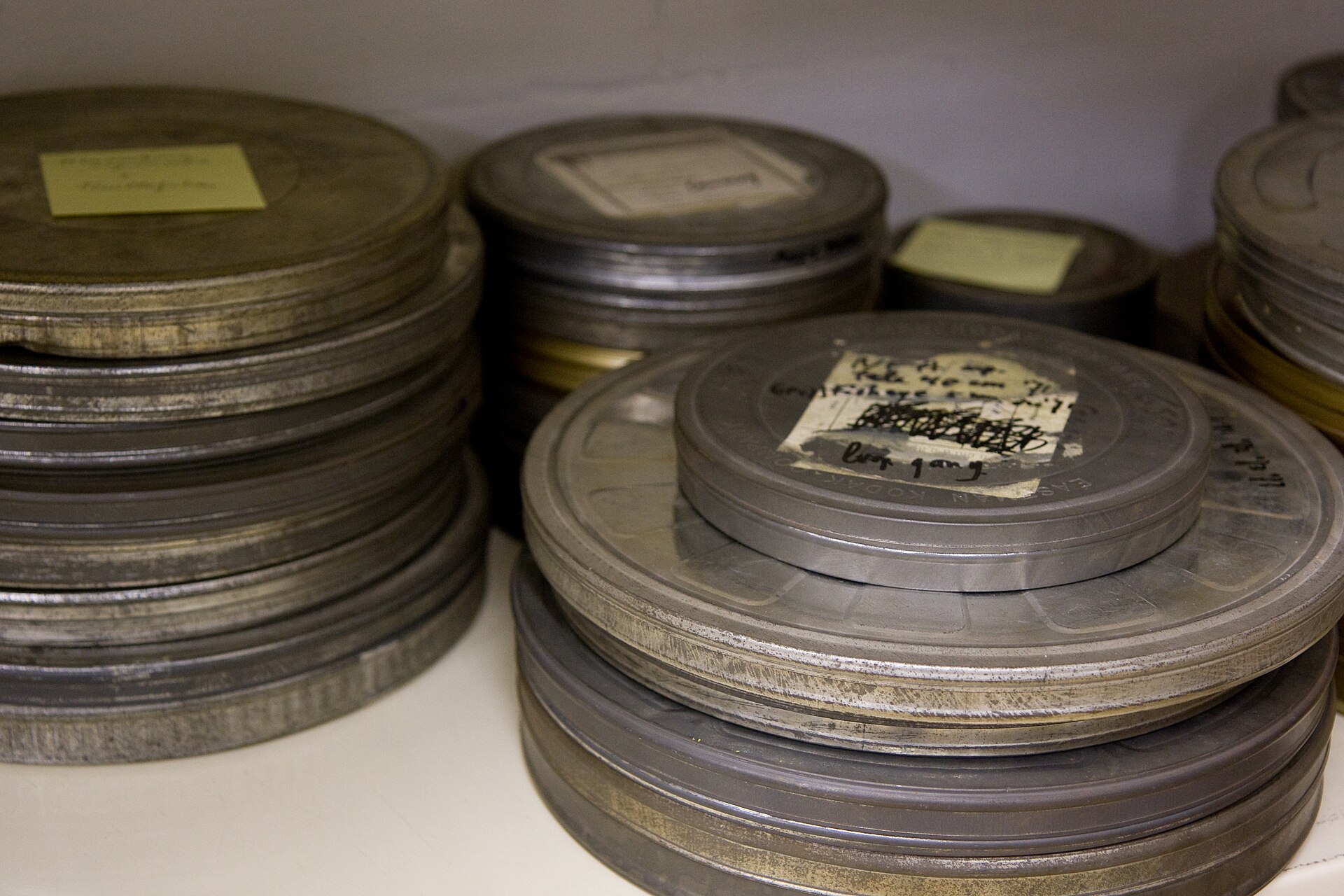
HOLLYWOOD — The chemistry lines that once ran film through this lab around the clock are mostly quiet now, but the scanning bays in the next room have never been busier, and that trade-off is why the place is still open.
The lab, a small operation behind a light-industrial block, spent decades doing what film labs did: developing negative, striking prints, rushing dailies to editors before dawn. Digital cameras and digital finishing hollowed that business out over twenty years. What kept the lab alive was a decision to stop mourning the old work and chase two kinds of new — scanning old film into digital files, and serving the shrinking number of filmmakers who still insist on shooting on celluloid.
“Half of what pays the rent now is other people’s memories,” said Terrence Ojukwu, 58, who has run the lab for two decades. “A studio finds a shelf of forgotten reels. A family finds their grandfather’s home movies. An archive lands a grant. It all comes here to be scanned before the film shrinks and vinegars and turns to powder. There’s more of that work than we can handle. Nobody’s making more old film, but everybody’s finally scared of losing it.”
The fear he means has a name in the trade: vinegar syndrome, the slow chemical breakdown of older acetate film, which announces itself with a sharp smell and ends with the picture curling into something no machine can read. Once it starts, it spreads, and the only defense is to scan the images off before the reel is gone. That urgency has turned the lab’s scanning room into its steadiest source of income.
The other half of the business is smaller and more sentimental: directors who shoot on film for its look, a few big features a year, some music videos, and film-school students learning a format their instructors grew up on. For them the lab still mixes chemistry and develops negative by hand, a skill now held by very few.
“I’m thirty-one and I know how to hand-develop a roll of sixteen-millimeter, which makes me either a specialist or a fool depending on the decade you ask about,” said Nadia Brenner, a technician who apprenticed at the lab. “There aren’t many people left to learn it from. When Terrence retires, a lot of what he knows walks out with him unless somebody’s standing next to him writing it down. So I stand next to him.”
The vulnerabilities are real. Some processing chemicals are harder to source every year. The machines are decades old and effectively irreplaceable, kept running by a technician who fabricates parts that no longer exist. And the expertise is aging out faster than it is being passed on.
Ojukwu is clear-eyed about what the lab is now — not a thriving link in a production pipeline, but a small hedge against total loss, kept solvent by rescue work and a few holdouts. He said he had stopped trying to predict the industry and started trying to outlast the decay.
“Every reel that comes through that door is a race,” he said. “The film is dying a little every day it sits in a can. My whole job is to get to it first. Most days I do.”