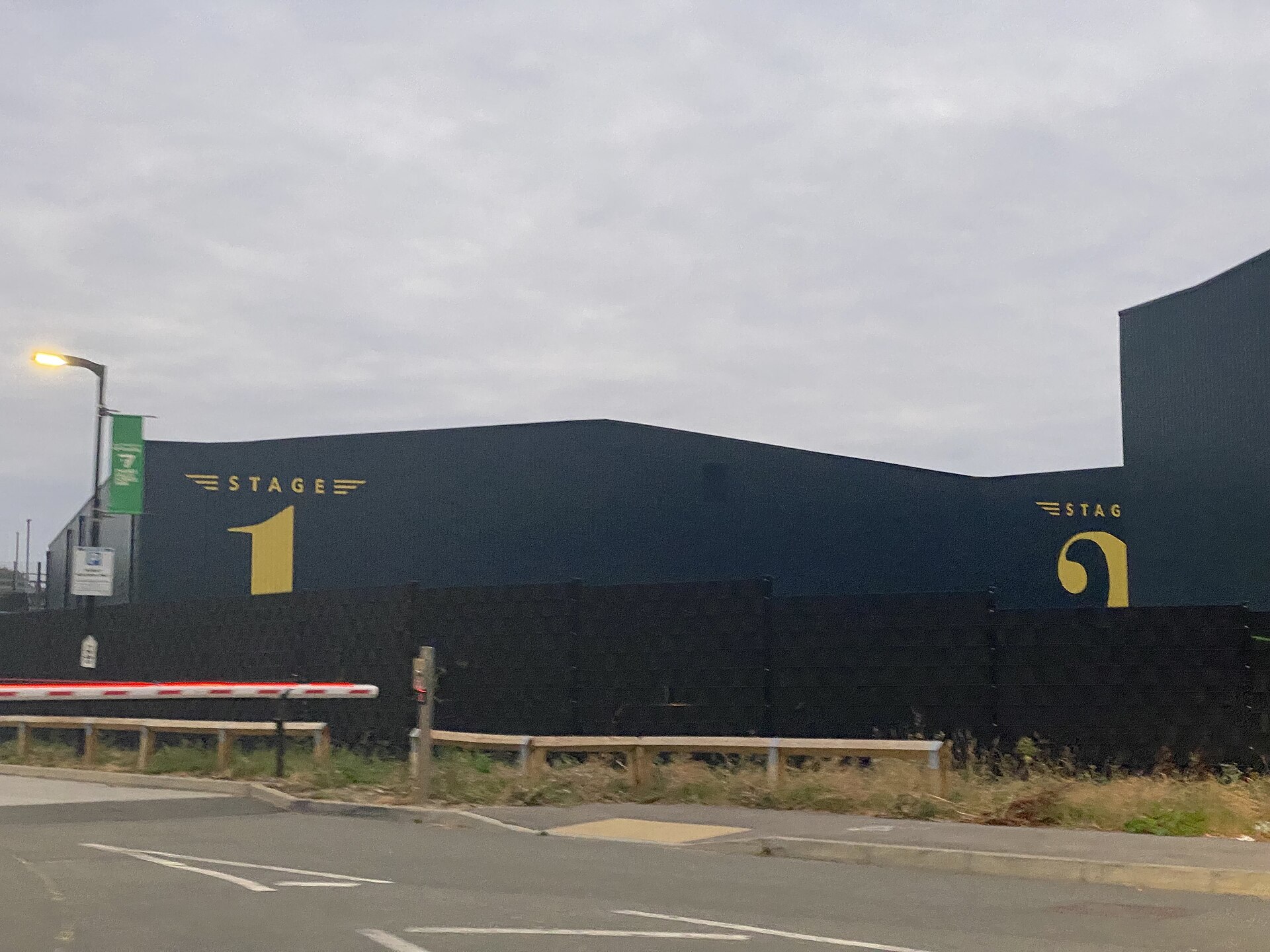
HOLLYWOOD — The rumor reached the neighborhood’s historians the way most studio rumors do, sideways: a crew member mentioned it to a friend, who mentioned it at a preservation meeting, and by January the question of what might happen to Stage 7 had a small file of its own.
Stage 7, a soundstage built in 1928 on a Hollywood lot, has spent nearly a century pretending to be other places. Pirate ships were floated in it. Spaceships hung from its trusses. Studio lore holds that three separate full-scale ocean liners were built and sunk on its floor over the decades, one of them in a single memorable afternoon. It is, by the reckoning of the people who care about such things, one of the oldest continuously working stages left in the neighborhood.
It is also, increasingly, the subject of speculation. The lot’s owner has spent the better part of two years studying a possible redevelopment of the property’s eastern edge, where Stage 7 happens to sit, and while no plans have been submitted to the city and no demolition has been proposed, the absence of a stated intention has done nothing to quiet the talk.
“Nobody has filed anything. I want to be fair about that,” said Marguerite Han, a film historian who has begun pulling old permits, production logs and photographs of the building. “But by the time somebody does file, it can be too late to start learning what you’re about to lose. So we’re learning it now.”
Han and a loose coalition of crew veterans and neighborhood historians have not decided whether to seek landmark status for the stage, a designation that would make it far harder to tear down. That decision, she said, depends on the owner. A landmark application is a serious undertaking, and filing one against a building nobody has actually threatened can harden a fight that might otherwise never happen. For the moment the coalition is doing homework and watching.
The economics give them reason to hurry anyway. A slow year for production has left some stages booking fewer shooting days, weakening the old argument that a working soundstage earns more standing than the land beneath it would as offices or apartments. Preservationists worry that a quiet market is exactly when an owner starts running the numbers on a teardown.
The studio has not commented on its plans, and people familiar with the lot caution that a rumor of redevelopment is not a redevelopment. Stages get studied, mortgaged and reprieved all the time. Stage 7 has outlived earlier predictions of its end, some of them decades old.
What feels different this time, the historians say, is the math, and the mood, and the fact that so few stages of this vintage remain that losing one more reads less like attrition than amputation. Han keeps her growing file in a banker’s box, ready to become an application if the day comes. She would rather, she said, never have to open it.