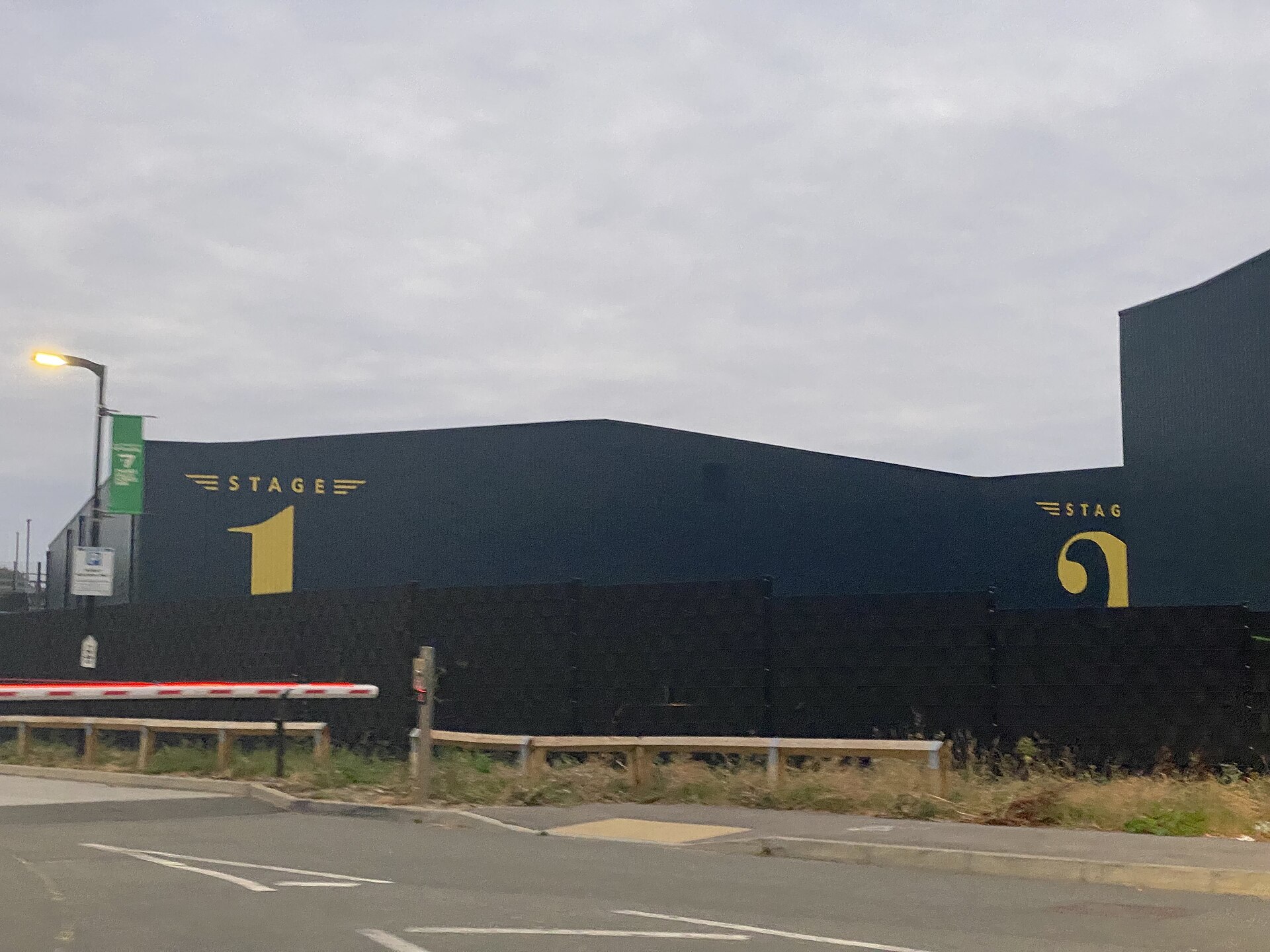
HOLLYWOOD — From the outside, Stage 7 is a beige box the size of an airplane hangar, distinguishable from a warehouse only by the red light above its door. From the inside, it is ninety-eight years of make-believe: pirate ships, spaceships, three separate Titanics, and — according to studio lore — a full-scale section of ocean liner that took four months to build and sank on camera in eleven seconds.
This week, a coalition of preservationists, crew veterans and film historians filed an application to have the 1928 stage declared a Historic-Cultural Monument, a designation that would make it dramatically harder to demolish.
The timing is not accidental. The stage’s owner has spent two years exploring a redevelopment of the lot’s eastern edge, and Stage 7 — the oldest and, by modern standards, most awkward of its stages — sits squarely in the way. No demolition has been proposed, the studio is careful to say. But no promises have been made, either.
“Every generation thinks the stages will always be there, and every generation loses a few,” said Marguerite Han, the film historian who drafted the application. “There were once more than forty stages of this vintage in Hollywood. You can count what’s left on two hands.”
The application leans heavily on the building’s bones: original timber roof trusses spanning the full width without columns, an engineering feat in 1928 and a working asset ever since, because directors could hang anything anywhere. Rigging points from the silent era are reportedly still in use.
Crew veterans supplied the application’s warmer material. One retired grip, who worked the stage across five decades, wrote that Stage 7’s floor “has more secrets nailed into it than any building in this city, and I personally nailed in several.”
The studio, for its part, issued a statement noting that it “deeply values its historic campus” and is “reviewing the application.” A spokesperson declined to say whether the company would formally oppose the designation.
The Cultural Heritage Commission is expected to take up the application in the fall. Under city rules, the filing itself triggers a temporary shield: for the next several months at least, no one may quietly take a wrecking ball to Stage 7.
Ms. Han says the coalition would rather celebrate than litigate. Their preferred ending: landmark status, a modest plaque, and the stage doing in its second century exactly what it did in its first.
“Buildings like this aren’t museums,” she said, standing in the middle of the empty stage, her voice disappearing into the trusses. “The whole point of Stage 7 is that it still works. You protect it so it can keep pretending to be everything else.”