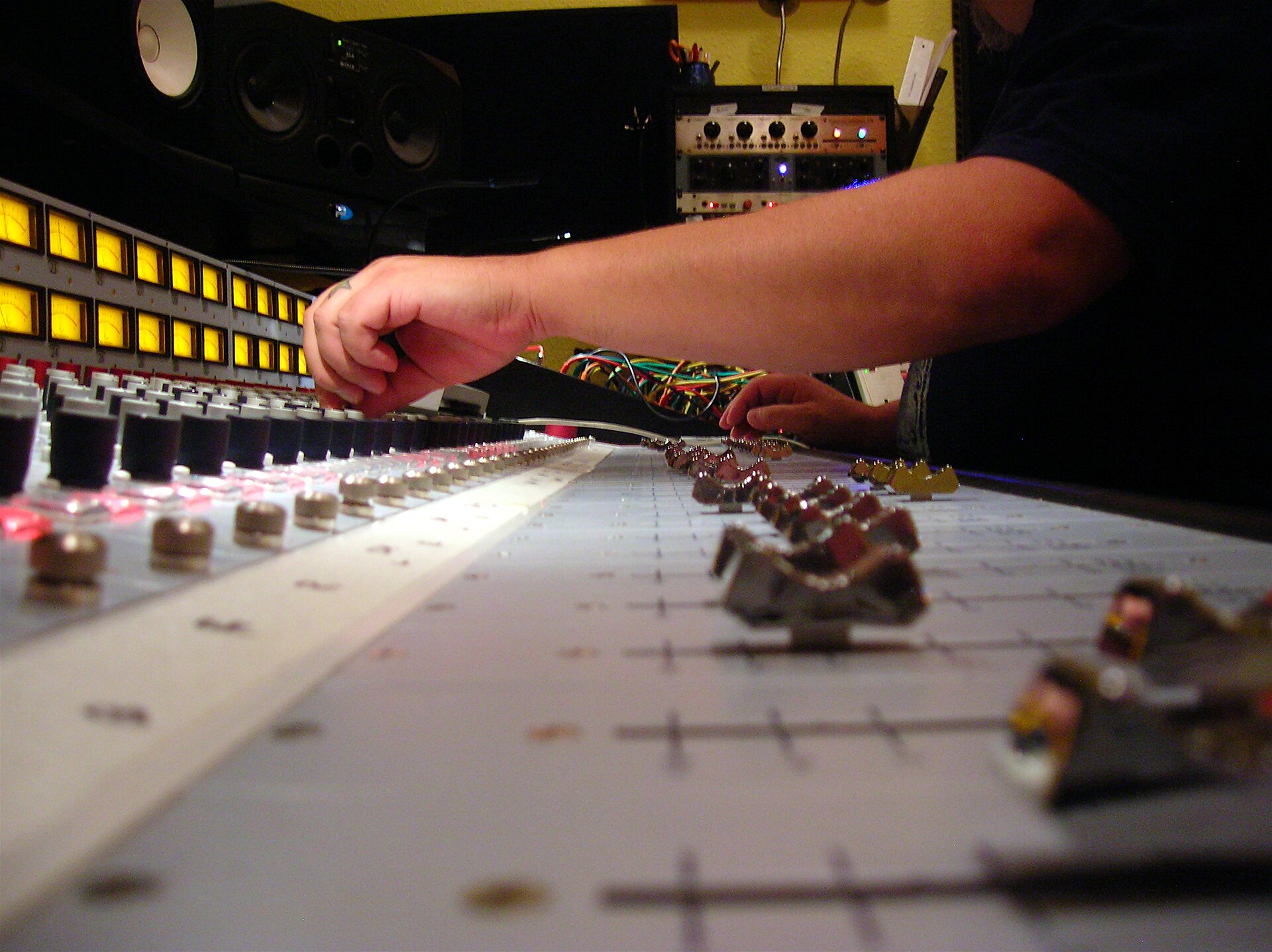
HOLLYWOOD — For five days this month, a scoring stage that had gone quiet for stretches of the year sounded like its old self: a full orchestra tuning at nine, a conductor counting off against picture, and an engineer in the booth riding levels through take after take of a streaming feature’s score.
“You forget how loud sixty musicians are until you’ve spent a few months in a room that only had two,” said Harriet Solveig, the stage’s booking manager, standing in a hallway that vibrated faintly whenever the brass came in. “This week I remembered. I’m not going to pretend I didn’t tear up a little on Monday.”
The booking was welcome and, everyone involved was quick to say, not proof of anything. The production slowdown that has thinned film and television work across the city hit the music side too, if less visibly. Fewer productions mean fewer scores; fewer scores mean fewer calls for the stages, the orchestras, the copyists and engineers who turn a composer’s file into a room full of sound. A single busy week does not reverse that. It interrupts it.
For the players, many of them freelancers who assemble a living from session to session, the interruption was worth savoring. Malcolm Deurloo, a cellist who has recorded on Hollywood stages for two decades, said the week’s call sheet was the fullest he had seen since the previous fall.
“I’ve had months this year where I played more weddings than pictures,” he said during a break, bow still in hand. “A week like this, a real score, the whole section — it reminds you what the job is. Then you check the calendar for September and it’s blank again.”
The work itself has changed shape as much as it has shrunk. Solveig said more of what books the stage now comes from streaming series and international productions rather than the studio features that once filled the calendar months ahead. Some composers, chasing lower costs, record their orchestras abroad, a practice the musicians here discuss with the flat tone of people describing weather they cannot change.
The engineer on the session, Priya Lindqvist, said the technical demands had only grown even as the bookings thinned — more stems, more formats, more delivered on tighter turnarounds. She has kept busy in part by mixing remotely for sessions recorded elsewhere, work she is glad to have and reluctant to celebrate.
“Every session I mix that was tracked in another country is a session that didn’t happen in this building,” she said. “I do the job well and I take the check. I also know what the check means.”
By Friday afternoon the score was in the can. The musicians packed their instruments, traded a few dates they were chasing, and filed out past the empty stands. Solveig watched the room go quiet and started working the phones for the next booking, whenever it came. She has learned not to assume the next full week is close, only that it is worth being ready for.