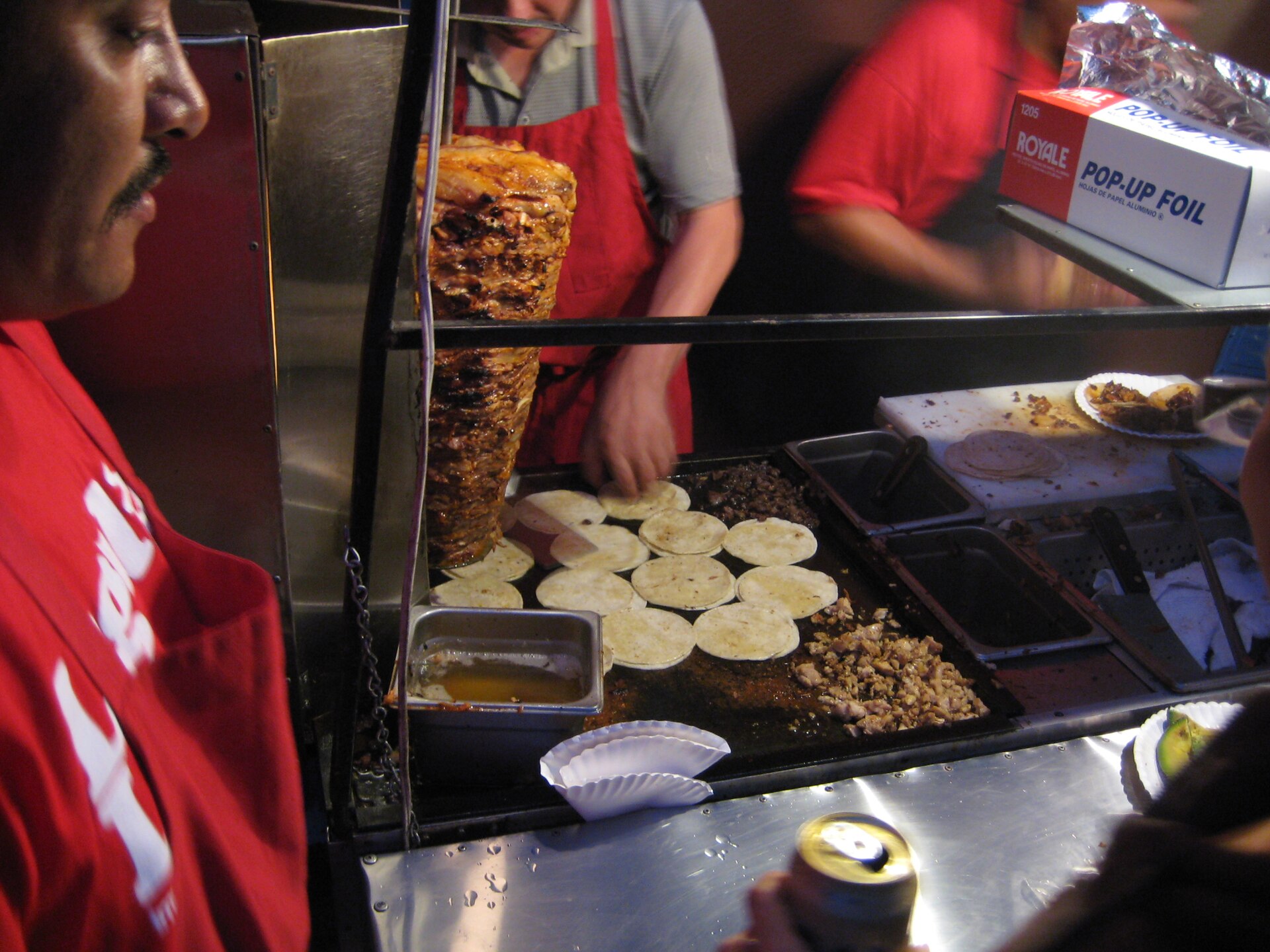
HOLLYWOOD — The taco cart on the corner of Western and Fountain has fed this block for years — through three mayors, a pandemic, and at least two city ordinances that declared it illegal without ever managing to shut it down. The City Council is again rewriting the rules for street vending. This time it should write rules the cart can actually follow.
California legalized sidewalk vending back in 2018. Los Angeles has spent the years since building a permit system so tangled that most vendors skip it, not out of defiance but out of arithmetic. The rules demand carts that meet equipment specifications off-the-shelf carts do not meet. They require vendors to store and prep their food in a licensed commissary kitchen, of which there are too few, at rents an independent taquero clears in a good week and not much more. The result is predictable: a city full of vendors operating outside a system nobody designed for them to enter.
The overhaul now on the table is a chance to align the law with the sidewalk as it actually is. That does not mean abandoning standards. Food safety is real; a cart handling raw meat in July needs refrigeration, handwashing and inspection, and diners are entitled to all three. The point is that public health is served by rules vendors can meet, not by rules so demanding that everyone ignores them and no one is inspected at all.
We would urge the Council to do a few unglamorous things. Approve cart designs a working vendor can buy or build, rather than a specification written for a food truck. Fund or franchise more commissary kitchens, or let certified vendors prep in shared spaces closer to where they sell. Set fees on a sliding scale tied to what a cart actually earns. And fold the fire and health inspections into a single visit, so a vendor is not chasing four agencies to assemble one permit.
Brick-and-mortar restaurants will object that carts pay less and compete unfairly, and the concern is not frivolous. But the customer who buys a two-dollar taco on the corner was not otherwise going to book a table for a sit-down meal. The carts and the storefronts work overlapping streets and largely different appetites, and both have fed this neighborhood for as long as either has existed.
There is also a question of what enforcement has actually bought the city. Years of citations and confiscated carts have not cleared the sidewalks; they have only made a hard living harder and taught vendors to watch for inspectors instead of cooperating with them. A permit a vendor can obtain is worth more to public health than a fine a vendor cannot pay.
The vendor at Western and Fountain is not asking to be celebrated. He is asking, in effect, to be allowed to keep doing legally what he already does every night. The city has spent years telling people like him that they are a problem to be managed. The better version of this ordinance would tell them, at last, exactly how to be legitimate — and then let them get back to the griddle.