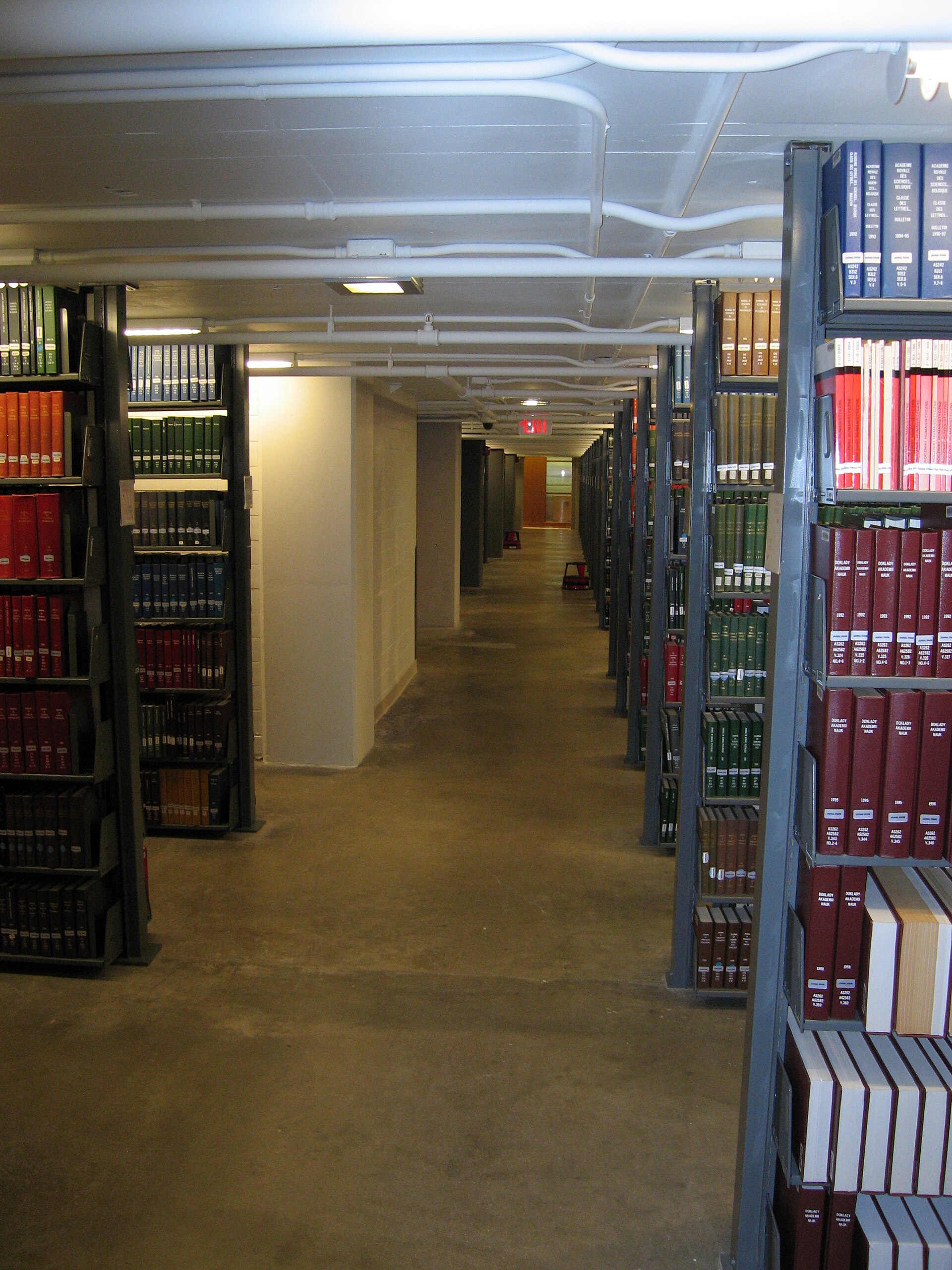
HOLLYWOOD — For nineteen months the Hollywood branch kept its 1920s reading room roped off for a seismic retrofit, and the neighborhood learned what the room was worth by doing without it. Students did their homework on the front steps, where the Wi-Fi still reached the sidewalk. The reference desk worked out of a corner downstairs. The patrons who came simply to sit — because the room was warm and free, and nobody asked them to buy anything to stay — had nowhere on the block to go instead.
The room reopened this month, card catalog and all. As this page reported last week, a county bond that would pay to retrofit and expand branches like it — the Hollywood section among the buildings flagged as seismically wanting — goes before voters in November. It needs a two-thirds majority, a bar that has sunk library bonds before. This page urges a yes vote, and does not consider it a close question.
Be clear about what the measure does and does not do, because its opponents are right about the limits even where they are wrong about the conclusion. Bond money by law buys construction and permanent equipment — a retrofit of the old section, an expanded children’s area, the electrical capacity for the public computers that have quietly become the branch’s busiest service. It cannot pay a librarian’s salary or add an hour to the schedule. A branch can be rebuilt and still close early.
That gap is the heart of the case against the bond, put most sharply by the taxpayer group that calls a renovated, understaffed branch “a beautiful empty building at four in the afternoon.” The point lands. It is also not a reason to vote no. The operating budget that funds hours and staff is a separate fight, waged every year at the county and the city, and we intend to keep waging it. But you do not skip the retrofit because the payroll is also short. An un-retrofitted branch is not a building with a staffing problem. After a large enough earthquake it is a fenced-off hazard with no service at all, and the reading room the neighborhood just got back would be the first thing lost.
A library is infrastructure, and we pay for infrastructure with bonds precisely because it outlasts the year we build it in — the same reason we bond for water mains and bridges rather than pretend a single annual budget can carry them. The building is the part that cannot wait. The reading room carries the student whose apartment is too crowded to study in and the older resident for whom the walk to the branch gives the day its shape. Keeping it standing is the floor. Keeping it open is the next fight.
A city reveals its priorities in what it agrees to pay for without applause. Nobody cuts a ribbon for a retrofitted foundation. But a neighborhood notices, and fast, when the warm room with the tall windows is dark and the children are back out on the steps. Vote yes in November. Keep the walls up, and then let us go win the hours.