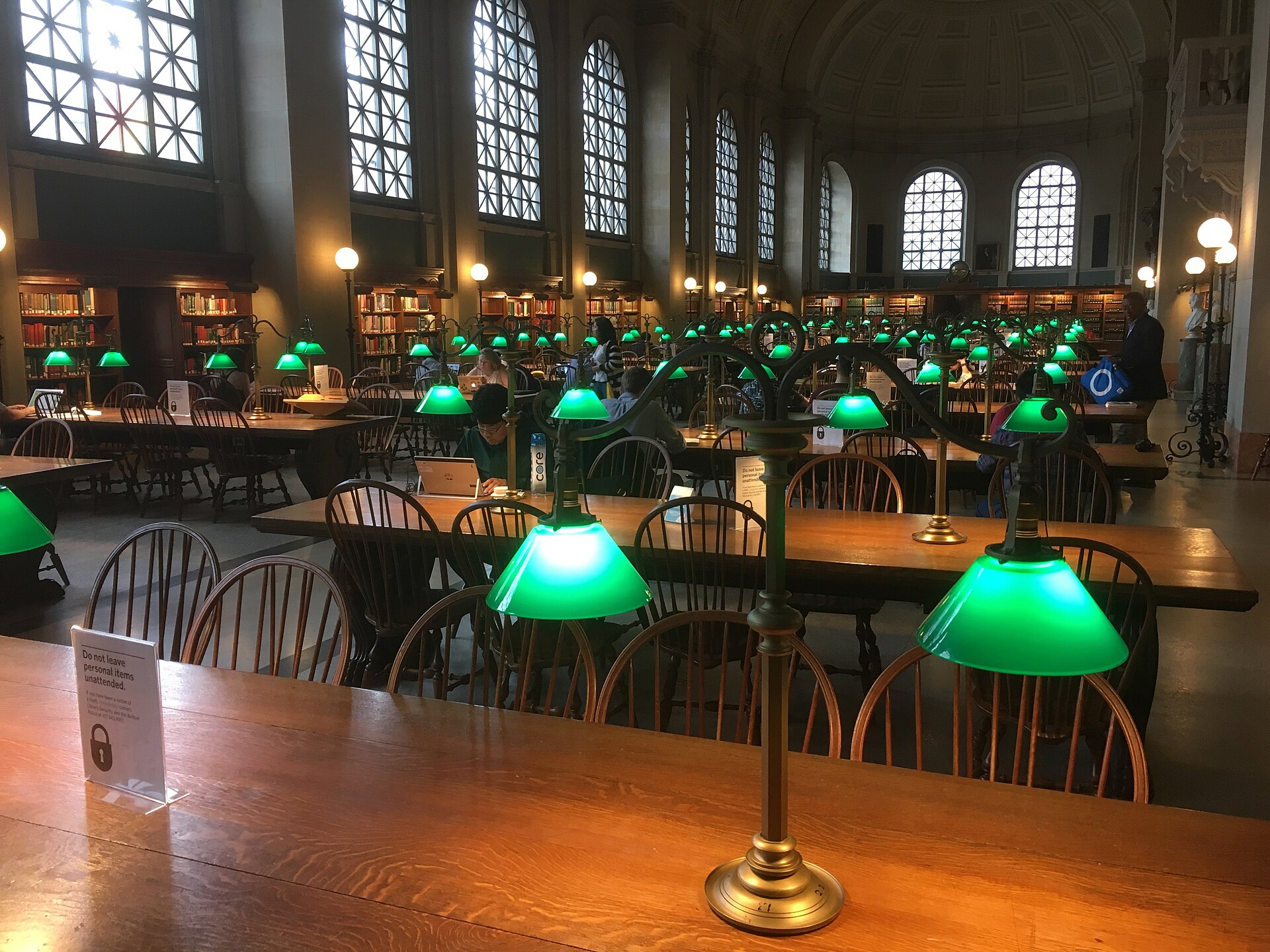
HOLLYWOOD — A few days before Christmas, the Hollywood branch roped off the long tables under the tall windows and closed its reading room, sending a neighborhood’s worth of students, job-seekers and people who simply needed a warm place to sit back out onto the block. As this paper reported last month, the room will stay closed for a seismic retrofit the city says will run into 2026.
The closure is not the scandal. The building genuinely needs the work. A 1920s room full of readers is precisely the kind of place you do not want standing unreinforced when the ground finally moves, and a city that let that room sit as a hazard would deserve the reckoning that followed. What the neighborhood is owed is not an apology for closing the room. It is a plan equal to how long the room will be gone.
Start with the interim. A closure measured in weeks is an inconvenience; a closure measured in a year and a half is a service gap that swallows a whole cohort of the people who used the room most. The branch’s public computers had quietly become its busiest offering, relied on by residents who have no other connection and no other quiet place to fill out a form or a job application. Those machines cannot go into a box for eighteen months. The library department should name, now and in public, where the computers, the reference help and at least some reading seats will live while the room is closed — a nearby branch with extended hours, a temporary space, something. “Come back in 2026” is not an answer a working parent can use.
Then the schedule. This neighborhood has learned to hear a city timeline with one eyebrow raised, and it came by the habit honestly. The skate park under the 101 has been promised for years and sits behind a fence still. A retrofit is more complicated than a slab of concrete, which is exactly why the public deserves milestones it can check against — a date the scaffolding goes up, a date the structural work finishes, a date the doors reopen — rather than a single distant year that can quietly slip to the next one while no one is watching.
And protect the reopening. It would be a particular kind of civic failure to spend heavily to make the room safe and then, when it reopens, staff it so thinly that it closes at six and sits dark on the evenings students actually need it. The building and the hours are two different budgets, and the neighborhood needs both. Winning the first is no reason to lose the second.
The reading room is the rare public place in Hollywood that asks nothing of the people who use it — no purchase, no membership, no reason to be there beyond wanting to be. Losing it for a while is bearable. Losing it without a plan is not. The city should spend the closure proving it understood what it took away.