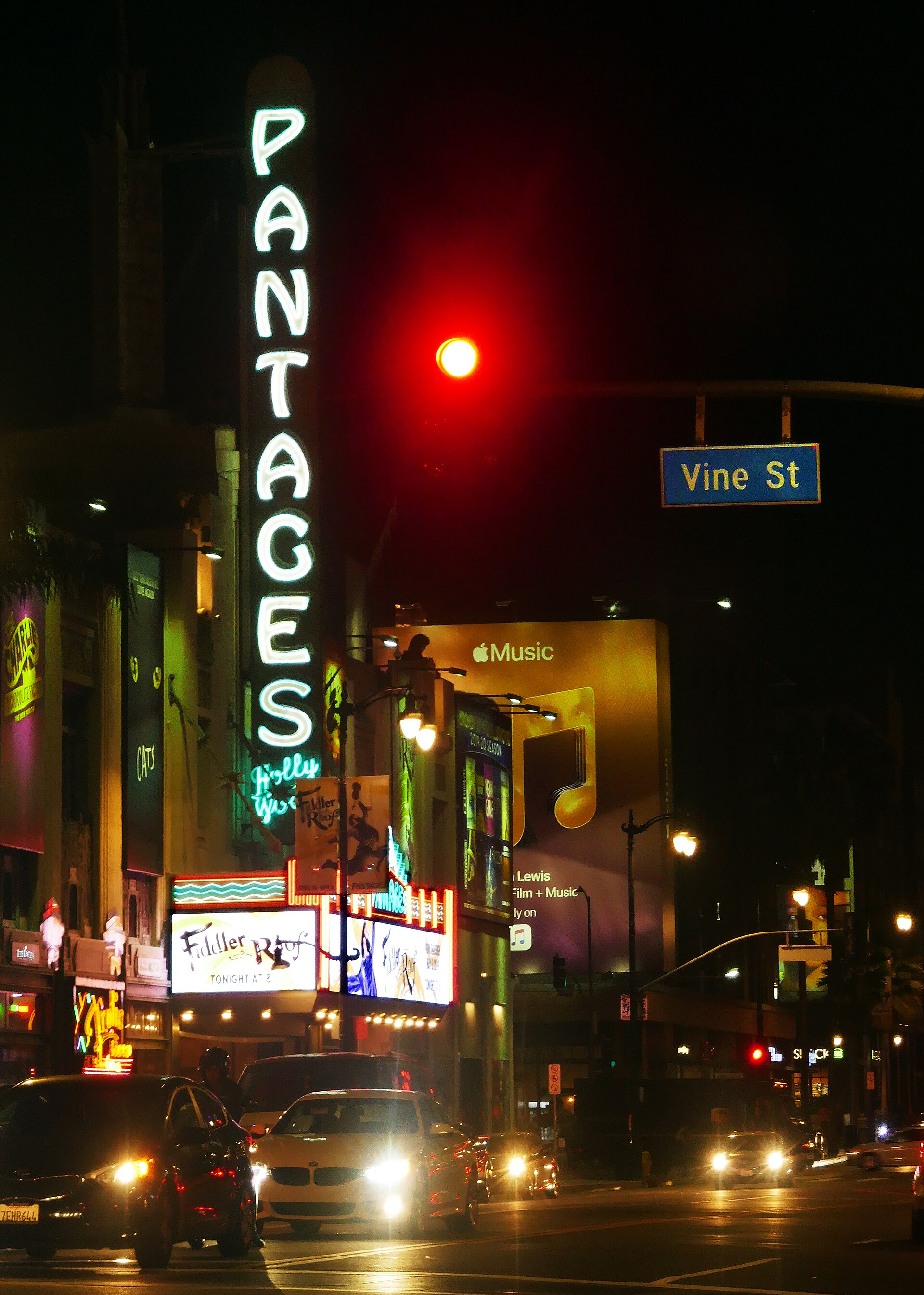
HOLLYWOOD — In 1954, an editorial in this newspaper declared television “a fad with an antenna.” Forty years later, a technology columnist assured readers that the Internet was another one, and that no one would ever read a newspaper on a telephone. Both columns hang framed in the lobby, side by side, as a warning. This institution has been wrong about nearly every machine of the past hundred years. It has been right, stubbornly, about one thing, and the thing has been enough: the neighborhood.
The Times entered its second century this year. It seems a fair moment to restate what this paper is, for readers who have taken us with their coffee for fifty years and for those who found us last week.
We were founded in 1925 above a hardware store, by a printer and an unemployed title-card writer who believed that Hollywood — the neighborhood, not the metaphor — deserved a paper that treated it as a place where people live. Their first edition ran eight pages, four of them about a disputed streetcar stop. That ratio of the small to the supposedly important has served us for a hundred years, and we see no reason to adjust it now.
The rules of the house have not changed in a century, in print or on a screen. We print what we can verify. We name our sources when we can and tell you why when we cannot. When we are wrong, we say so, in a place where you can find it — the corrections page is not hidden, and we invite you to check.
A word about what we are not. We are not a national paper. When the great story of the age breaks somewhere else, we will read about it in the same papers you do, with professional admiration. Our beat is smaller and, we would argue, harder: the planning meeting, the school board, the soundstage, the diner that has held the same corner for ninety years. The great papers of the world watch history. We watch the block. Over a hundred years, it turns out, the block is history.
Whether the paper lands on your step six mornings a week — occasionally in the hedge — or reaches you at hytimes.com, the arrangement is the same one Meridian and Voss offered in 1925: we will tell you what happened on the Boulevard, plainly, and the letters page will be waiting when you disagree. Readers have taken both halves of that deal for a century, sometimes in the same afternoon.
A hundred years is a long time to watch one neighborhood. Our founders thought it would be worth it. On the evidence so far, they were right.