HOLLYWOOD — A city budget is a moral document that pretends to be an arithmetic one, and the arithmetic in front of this one is getting harder. Two years of a production slump have thinned the tax base that pays for the ordinary machinery of the neighborhood, and the knife, as usual, is finding the quiet things first: library hours, park maintenance, the street crews nobody notices until they stop coming.
The connection is not abstract. When soundstages sit dark, the businesses around them earn less and the people in them spend less, and a city that collects a share of all that activity collects a smaller share. Sacramento feels it and City Hall feels it, and by the time it reaches a neighborhood it has taken the form of a branch that closes an hour earlier and a pothole that waits a season longer. These are not luxuries being trimmed. They are the baseline of a livable street.
We have watched one example run in slow motion. The library reading room, closed since last December for a seismic retrofit, is behind schedule for reasons that are partly engineering and partly money, because a tight budget is a slow budget, and every month of delay is a month a neighborhood does without a room it was promised back. The skate park under the freeway, deferred through budget after budget, is deferred again, in part because capital dollars are the easiest to postpone and the hardest to miss on paper. Postponed things do not bleed. That is precisely why they get postponed.
None of this is an argument that the city can spend money it does not have. It cannot, and pretending otherwise is how you earn a worse reckoning later. It is an argument about priority. When the revenue shrinks, the instinct at City Hall is to protect the visible and the ribbon-worthy while quietly starving the maintenance that keeps a neighborhood functioning between ceremonies. That instinct is backward. The ceremony can wait. The branch hours cannot.
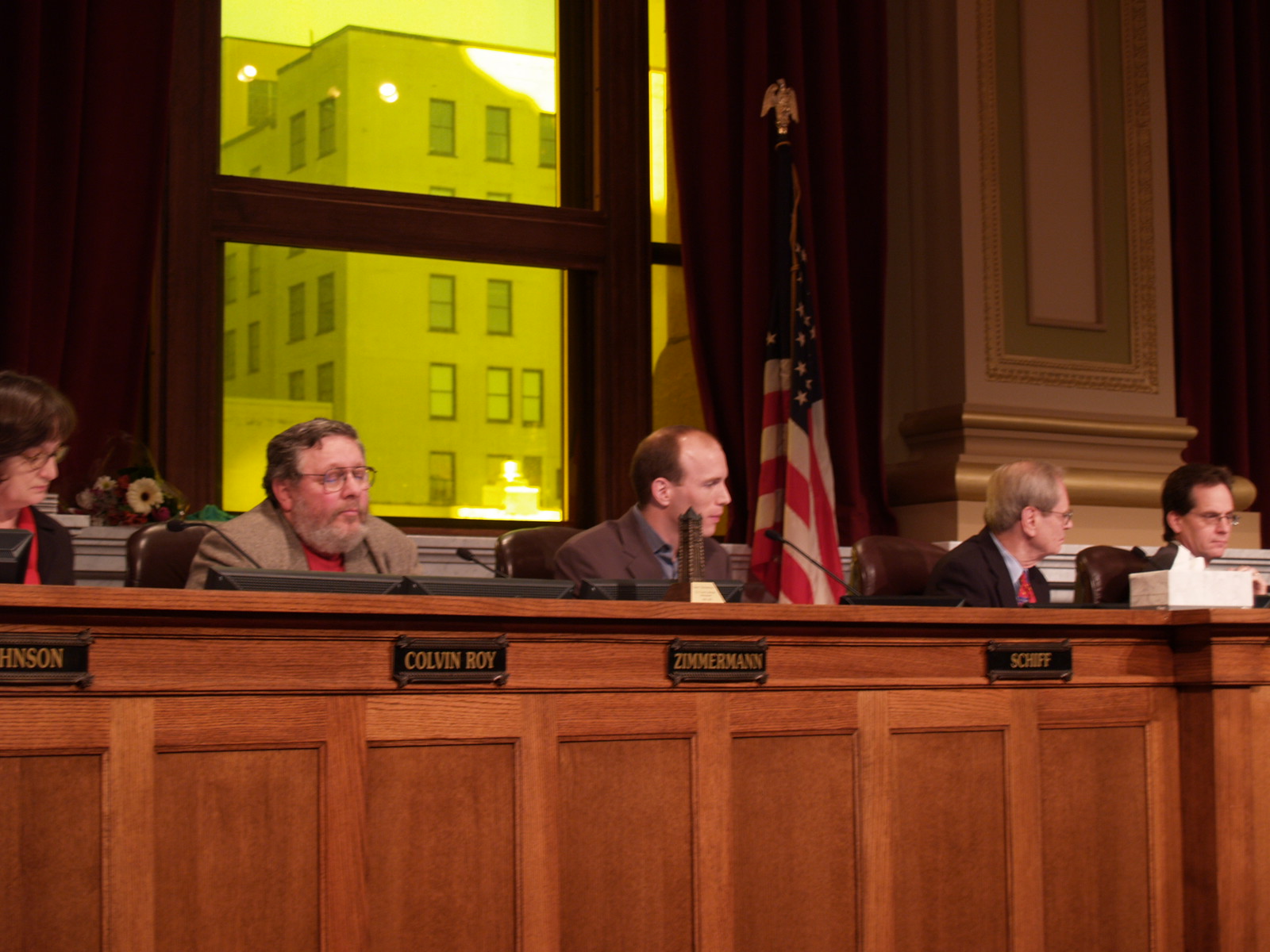
Councilmember Alicia Rendón and her colleagues will spend this autumn deciding what the neighborhood does without, and we ask them to make those decisions in daylight. Tell people plainly what is being cut, and why. Do not dress a reduction up as an efficiency. And weigh a dollar taken from street cleaning or a library against what it actually buys somewhere else, because the services that get cut in a lean year are the ones residents cannot replace on their own. A studio can wait out a slump. A child who needs the reading room open cannot wait out a childhood.
Better years will come; they always have here. When they do, the test of this council will not be the projects it cut ribbons on. It will be whether the ordinary things that make a neighborhood habitable were still running when the money returned. Keep the lights on in the small rooms. The rest can follow.