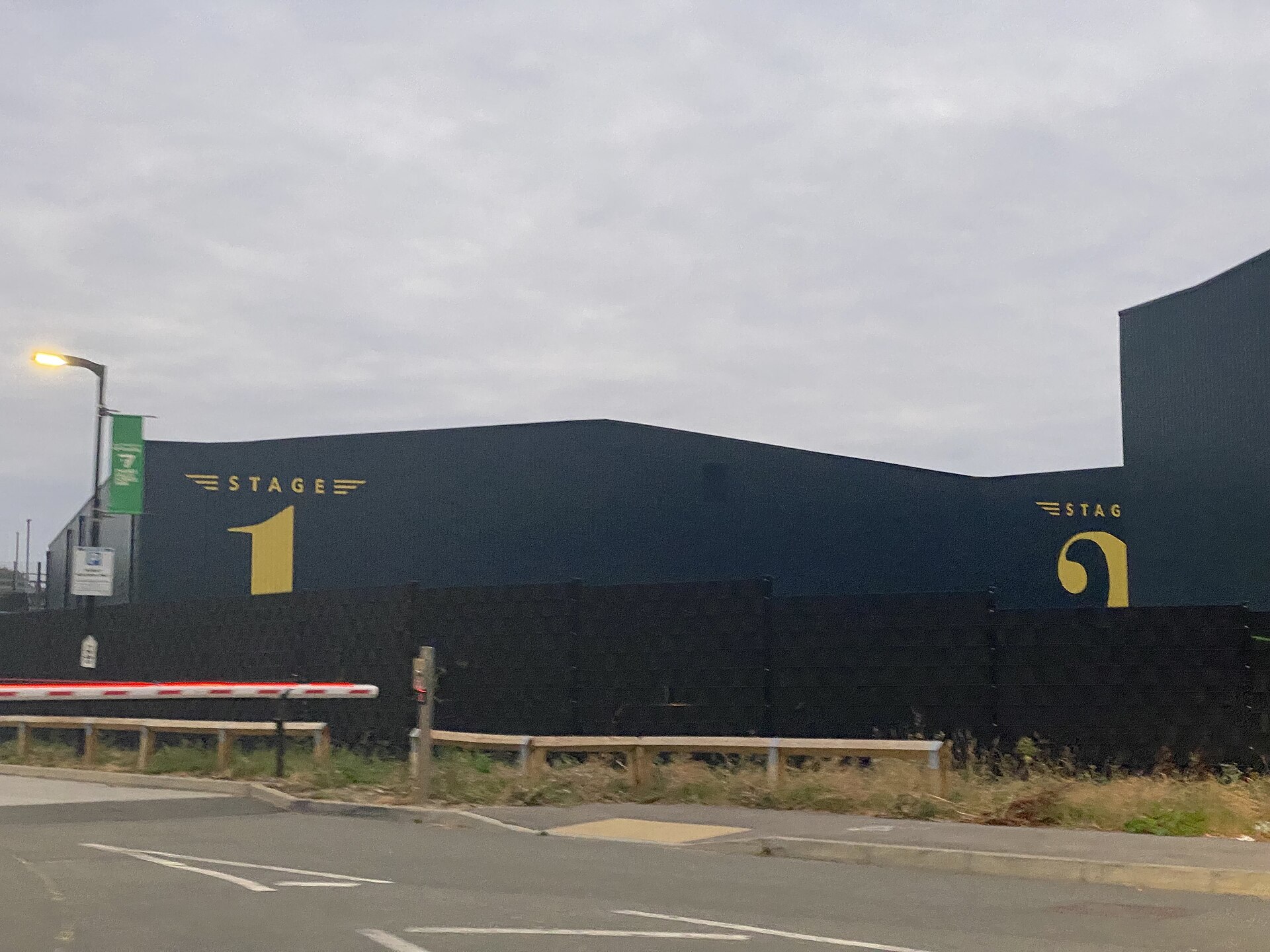
HOLLYWOOD — For the better part of a year, the people who work the soundstages of this neighborhood have been saying the same thing to anyone who would listen: the work is drying up. For the better part of a year they have been met with the civic equivalent of a shrug. The stages sit dark. The call sheets run short. This is no longer an anxious rumor traded in a union parking lot. It is the plain condition of the industry that gave this town its name, and the people we elect need to start treating it that way.
The evidence is not subtle. Soundstages that used to turn over between productions sat empty through the summer. Grips, gaffers and set decorators who spent their careers booked solid are taking jobs in other states or taking no jobs at all. The businesses that live downstream of a shoot — the prop houses, the film labs, the equipment rentals, the diner that feeds a crew at six in the morning — are all reading the same short numbers. When a soundstage goes dark, a dozen storefronts feel it within the month.
The cause is no mystery. Other places have decided they want this work and have been willing to pay for it. Georgia, New Mexico and a lengthening list of countries have built film economies on incentives designed to be simpler and richer than California’s, which remains capped and oversubscribed while the ground shifts under it. A production is a business, and businesses go where the math is friendliest. Loyalty to a zip code does not survive a spreadsheet.
We are not naive about public subsidy. Handing money to profitable studios sits badly, and it should. But the honest choice in front of Sacramento is not subsidy or no subsidy. It is whether the shooting happens on a stage here, employing people who live here and pay taxes here, or on an identical stage two time zones away. Framed that way, a modernized and expanded state credit is not a giveaway. It is the cost of keeping an industry that other governments are working to take.
City Hall has its own part, smaller but not nothing. This ought to be the easiest place in the country to pull a permit, close a street and shoot for a day without a week of paperwork first. Councilmember Alicia Rendón and her colleagues cannot rewrite the state’s tax code, but they can make the local friction disappear, and they can say plainly and often that a working soundstage is civic infrastructure worth defending.
None of this waits politely for a study. A gaffer who worked forty days last year cannot pay a mortgage with the assurance that the market will turn eventually. Every season the city treats this as weather rather than policy, a few more of the people who actually know how to make movies here load a truck and drive east. Most will not drive back. We would rather write, a year from now, about the season the neighborhood decided to compete than the one it decided to watch.