HOLLYWOOD — The machines that develop motion-picture film are the size of small cars and run all but silent, drawing a strip of exposed negative through baths of chemistry at a crawl. For most of a century a lab like this one ran them around the clock. Now it runs them two days a week, and some weeks not that.
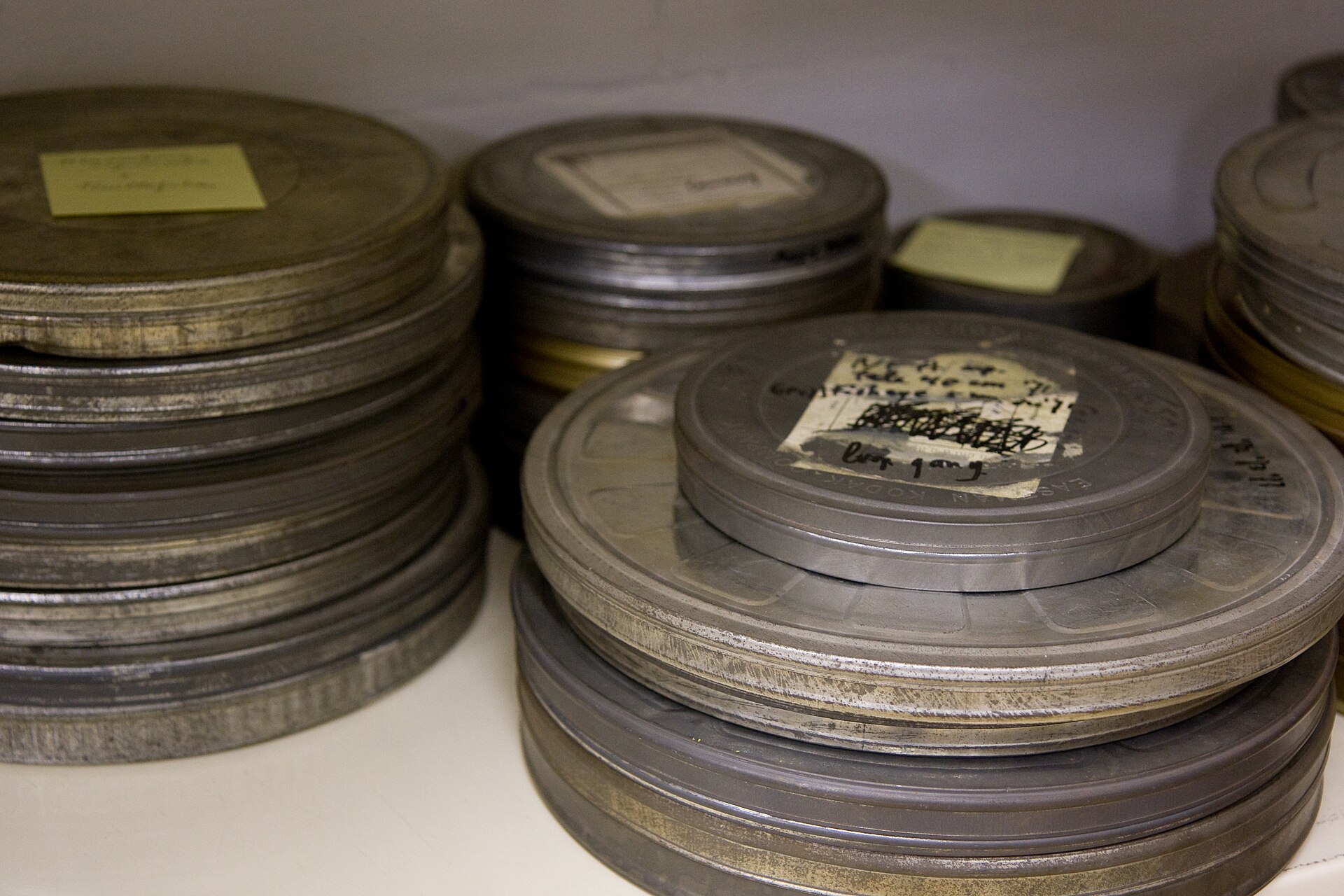
The lab is among the last in the region still developing photochemical film — actual celluloid, exposed in a camera and made visible with chemistry — for the productions and artists who still shoot on it. Their number has fallen for decades, as digital cameras and digital finishing took over the industry and the film that fed the labs dwindled to a specialty. This month the lab confirmed it had cut its staff to part-time hours, a decision its owner described plainly as the arithmetic finally catching up.
“We are not closing. I want to say that clearly, because every time we cut back somebody writes our obituary,” said the owner, Imogen Castellano, in the front office, where shelves of returned reels waited in their cans for pickup. “But I can’t keep a full crew standing by for the work of a slow week. The film that comes in now would have been a rounding error thirty years ago.”
The work that remains is a particular kind. Some directors still prefer to shoot on film for the way it renders light and grain, and will pay for it. Artists and students shoot small formats. And there is preservation and restoration work — old negatives that must be handled, cleaned and printed by people who still know how, a knowledge that is not written down so much as held in the hands of the technicians who have done it for years.
That last point is what worries the people in the building. A lab is not only its machines; it is the mixers who keep the chemistry in balance, the timers who judge color by eye, the hands that thread a fragile original without tearing it. Cut the hours, and the youngest of those workers drift to steadier trades, and the knowledge thins with them.
“You can buy the machine. You cannot buy the guy who knows what the machine is about to do wrong,” said Terrence Whitlby, a timer who has worked the lab for twenty-two years and now splits his week between it and a part-time job elsewhere. “When we go quiet, he doesn’t wait around. He finds work. And then the machine is just a machine.”
Castellano said she was hunting for the mix of restoration contracts and stubborn film-shooting clients that might justify fuller hours again, and was not counting on finding it. The lab has survived predictions of its death before, each time a little smaller. She locked the front door on a Tuesday afternoon with the developing machines idle behind her, and said she would run them again on Thursday, if the week’s reels were enough to be worth the chemistry.