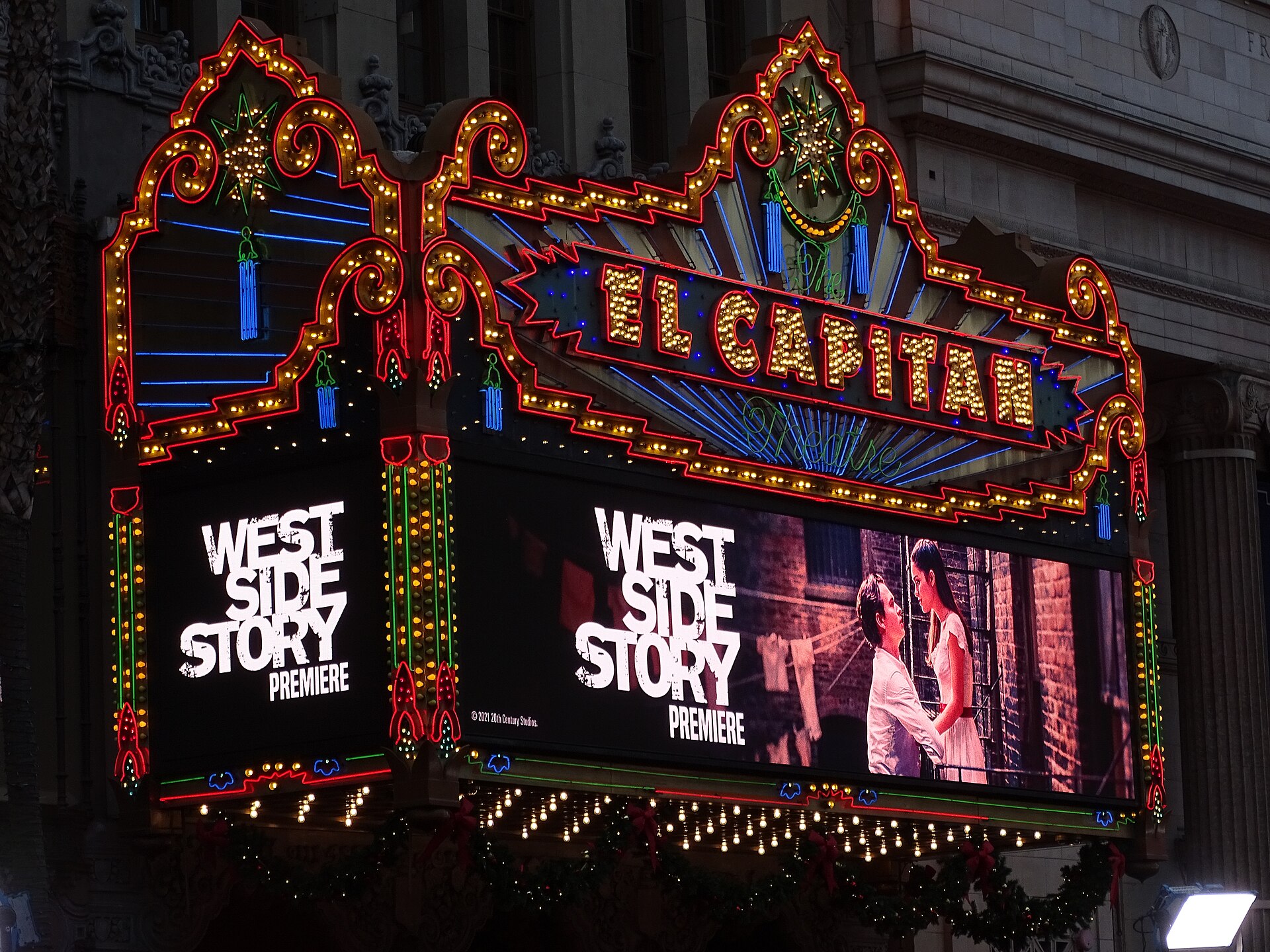
LOS ANGELES — A city audit of the sign district that governs the big illuminated advertisements along part of Hollywood Boulevard has found that the city has kept poor track of which signs are permitted, whether their fees are paid, and in some cases whether they are legal at all.
The findings, presented to a council committee this week, concern one of the “sign districts” the city created years ago to concentrate large-format signage — the digital billboards, building wraps and illuminated displays — in designated commercial zones, in exchange for fees meant to fund neighborhood improvements. The districts were pitched as a bargain: the city would allow bigger, brighter advertising in specific areas, and the advertising would pay for public benefits nearby.
The audit suggests the city has not held up its half of the bookkeeping. Auditors found signs operating with expired permits, fees that appeared to be owed but could not be confirmed as collected, and a monitoring process that relied, in several instances, on the sign companies to report on themselves. Records were incomplete enough that the auditors could not say with confidence how much money the district should have generated, let alone how much it had.
“We set up a system where the public accepts more advertising in exchange for revenue and oversight, and the audit finds we delivered the advertising and skipped the oversight,” said Councilmember Alicia Rendón at the hearing. “If we cannot even produce a clean list of which signs are permitted and which fees are paid, then the neighborhood gave up its skyline for a promise we are not keeping track of.”
City officials responsible for the program did not dispute the broad findings. They said staffing shortages and outdated record systems had left the monitoring behind, and that they were working to reconcile the permit files and identify unpaid fees. Some of the gaps, they said, dated back years and would take time to untangle.
Representatives of the sign industry, for their part, said their members pay what they are billed and cannot be faulted for the city’s filing. “Bill us correctly and we will pay, as we always have,” said a spokeswoman for a company that operates several displays in the district. “If the city has lost track of its own paperwork, that is not evidence that anyone underpaid. It is evidence the city needs better software.”
Neighborhood advocates who have long objected to the brightness and scale of the signs seized on the audit as confirmation of a bargain gone wrong. Several urged the committee to withhold any new sign permits until the books were straightened out.
The committee asked the auditors and city staff to return with a full reconciliation — a confirmed list of permitted signs, fees owed, and fees collected — and a plan to keep the district’s records current going forward. No firm deadline was set.
The signs themselves were unaffected by any of it. They went on burning over the boulevard that night, bright as ever, advertising films and phones and streaming services to the traffic below, while a mile away the city conceded it could not fully say which of them were paying their way.