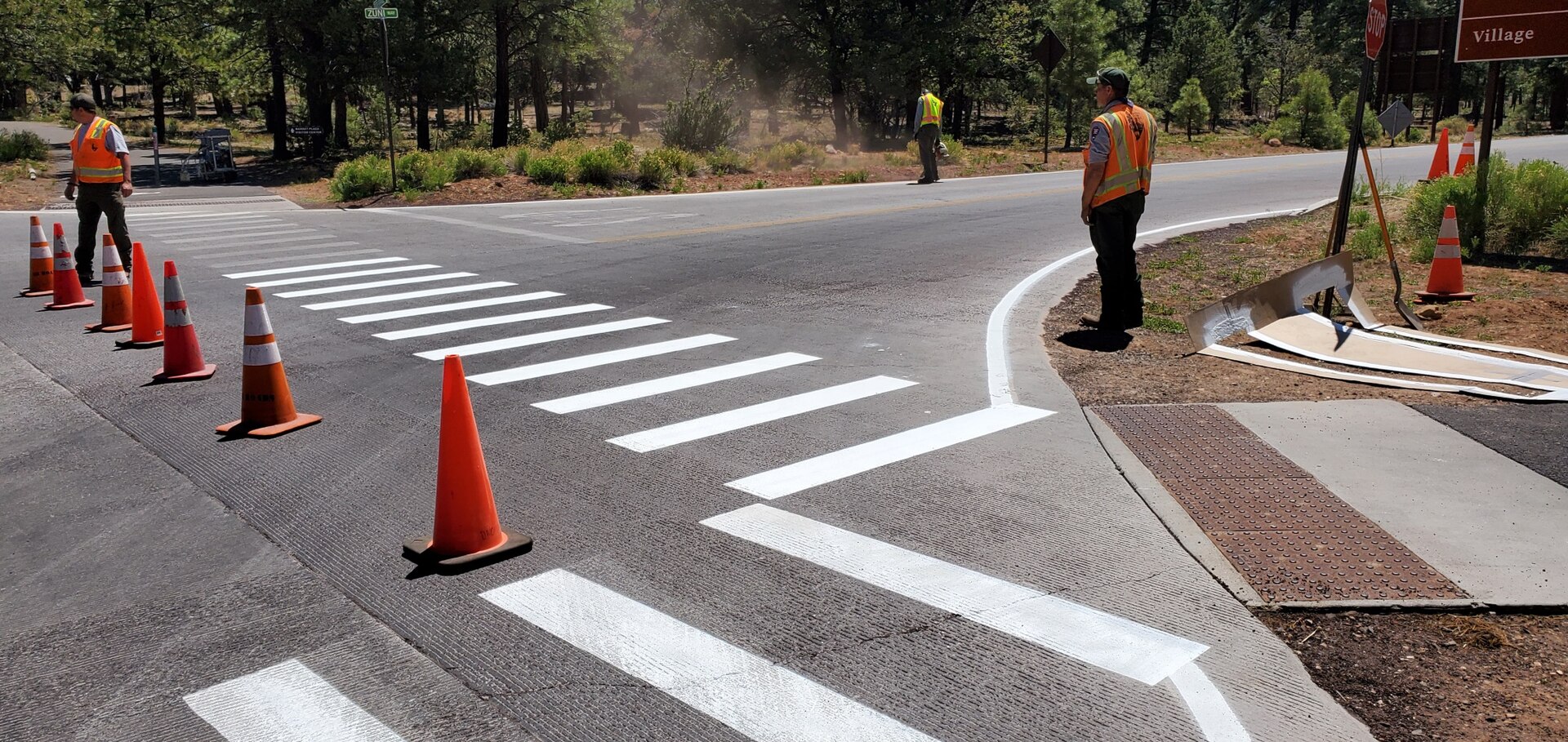
LOS ANGELES — The council’s transportation committee voted on the Vine Street bike lanes Wednesday evening, up or down, on the record, with names attached, for the first time since the proposal came before it in the spring. The lanes passed, 3 to 2. They will be striped with the fall resurfacing, which begins the last week of this month, inside the paving window that closes the first week of October and that would otherwise have added roughly $400,000 to the cost.
The vote was the one the neighborhood had been promised in August, and it went the way the room had begun to expect once Councilmember Harlan Beaufort, who represents the neighboring district and had not been present for the committee’s 2–2 deadlock in July, took his seat at the dais and set a folder in front of him.
Councilmember Alicia Rendón voted yes, as she has said she would since March. Councilmember Whit Bogardus voted no, as he has said he would since March, and read a statement for the minutes that the city was removing curb parking from a commercial street on the strength of a collision map assembled by volunteers and an occupancy count the department had itself abandoned. The committee’s two other members split, as they had in July. That left Mr. Beaufort.
“I am going to vote for the lanes,” he said, “and I am going to attach the thing the merchants asked for in July and have not gotten, which is a real count.” His condition, adopted without objection before the main vote: a twelve-month study of parking turnover and curb occupancy on the affected blocks, run by the department with the merchants’ methodology on the table, published quarterly, with a written commitment that the loading-zone configuration returns to the committee if the numbers move past a threshold to be set at the October session.
“If Ms. Constantino’s sign-in sheets are right, I want the city to find that out and say so,” Mr. Beaufort said. “If they are wrong, I want her to hear it from a count she helped design.”
Nadia Constantino, the salon owner who has led the merchants’ side since spring, took the outcome standing in the second row, where she has taken every outcome this year.
“We lost,” she said afterward. “We counted, and we lost, and now they’re going to count with us for a year. That’s not what I wanted. It is more than I’ve gotten from this building before.” She said the merchants would participate in the study and that she would hold the committee to the threshold. “They wrote it down. I have the page.”
Tobias Ferrand, the bicycle mechanic whose volunteers filed the map of thirty-four injury collisions on the stretch since 2015, did not speak at the session. He sat with the map folded on his knee and, when the vote was read, unfolded it and looked at it for a while.
“I wasn’t going to read the list again,” he said in the hallway. “They’ve had it since August. They read it. That’s what tonight was.”
The Walk of Fame accounting motion, continued twice for lack of afternoon, was heard at last, and produced the session’s other news. The city attorney’s office reported that the repaving contract does contain a liquidated-damages provision — $1,200 for each calendar day the work runs past the contractual completion date — and that it has never been invoked. It also reported that the completion date has been amended three times by change order since 2025, and that which of the four dates governs is “a question the office is not yet in a position to answer.”
Dora Feldman, the merchant who has attended every hearing of the repaving era, received this from the front row.
“They found the clause,” she said. “Now they have to find the date. I have been to enough of these to know which of those two things is the hard one.”
The committee directed the city attorney to report the governing date, and the damages accrued under it, at its first session in October, the report-back that has been promised since August. Ms. Rendón and Mr. Bogardus, who filed the motion together in August and agree on nothing else on the agenda, spoke in turn to say that the answer would not be continued again. Mr. Bogardus added, for the minutes, that if the accrued figure turned out to be large, the committee should expect to be asked why it took a motion to find it.
The session ran from four o’clock to ten minutes before eight. Nobody ran out of time.