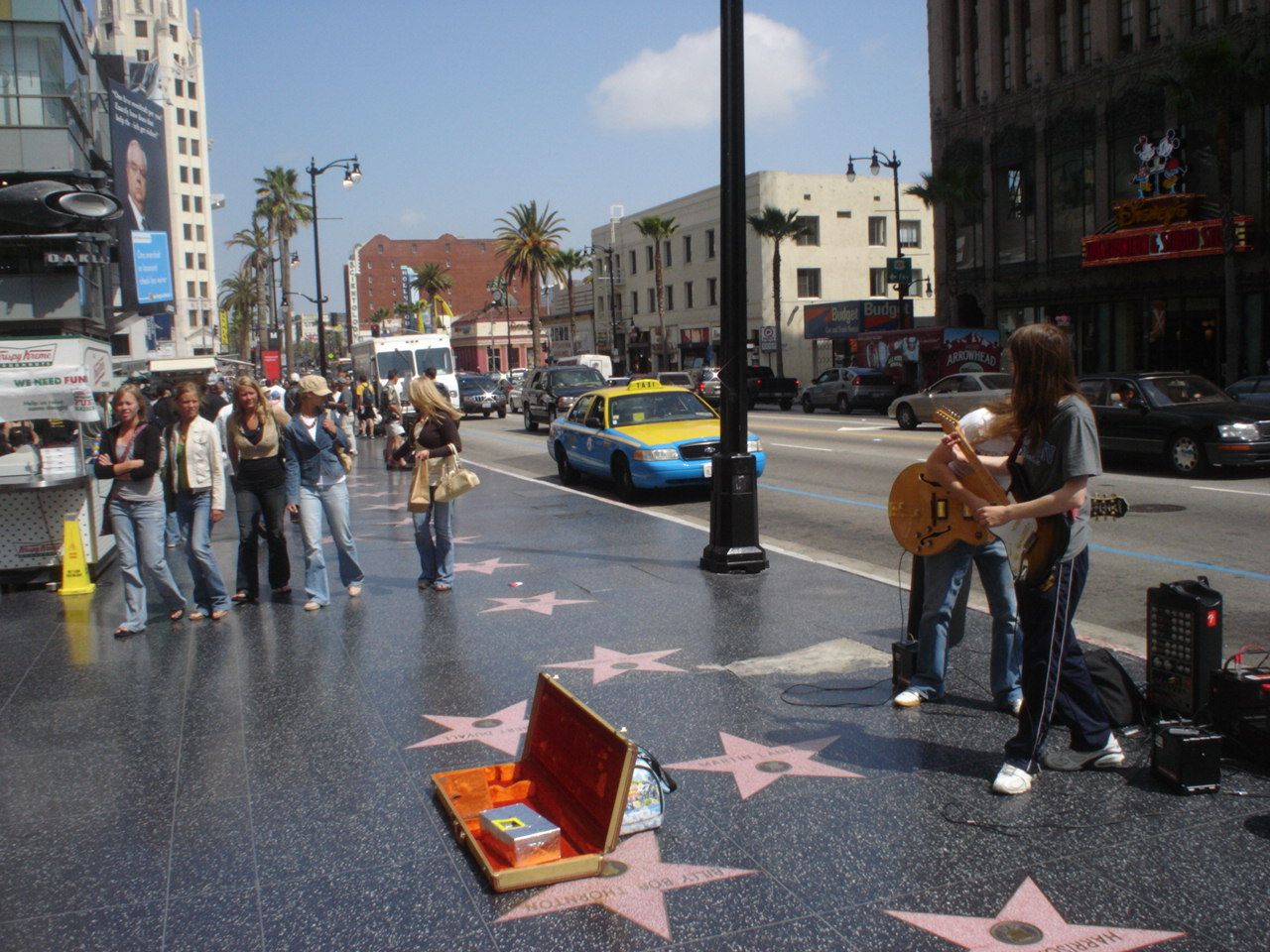
LOS ANGELES — The repaving of Hollywood Boulevard, which was supposed to be finished by now, will not be finished until spring, transportation officials told a City Council committee this week, blaming a tangle of buried utility lines and a wetter-than-usual autumn.
The admission, delivered at a Public Works committee hearing, put an official date on what merchants and residents had already guessed. Fencing has lined stretches of the Boulevard since spring, narrowing sidewalks and hiding storefronts, and crews have repeatedly appeared to be nearly done without being done.
A deputy in the transportation department, testifying before the committee, said crews had found utility conduits that did not match the city’s maps, some of them a century old, requiring coordination with several utilities before the roadway could be rebuilt above them.
“When you open a street this old, you do not always know what you will find under it,” the deputy, Priya Kohlmann, told the committee. “We found more than we planned for. Each surprise is a delay while we bring in the party that owns the pipe.”
The contractor’s representative added the autumn rains, which arrived early and shut down paving on days the surface would not cure. Together, the two said, the setbacks had pushed substantial completion into March or April, from an original target of late this year.
Councilmember Alicia Rendón, whose district includes the Boulevard and who sits on the committee, pressed both witnesses on why the earlier date had been promised at all.
“You are telling me the street was older and wetter than expected,” Rendón said. “The street is a hundred years old and this is Los Angeles in the winter. I am struggling to see the surprise. What I see is a schedule that was optimistic when it was written, and businesses that budgeted around it and are now paying for the optimism.”
Kohlmann said the department would provide the committee with a revised, month-by-month timeline and would post it where the public could see it, a commitment Rendón asked to have put in writing.
The hearing did not, by itself, change anything on the ground. The fencing will stay up. The delay stands. But it produced, for the first time, an official acknowledgment that the project had slipped and a rough date for when residents might get their sidewalks back.
For the businesses along the route, the spring date lands awkwardly beside a separate proposal, also from Rendón, to create a relief fund for merchants hurt by the work. That measure remains in committee, its funding unresolved.
Outside the chamber, Kohlmann was asked whether spring meant March or something later that the city was still calling spring. She said the department stood by March or April and would update the public if that changed.
It usually changes, one committee aide said quietly, gathering the papers. He asked not to be named, on the grounds that he still had to work there.