The City Counted Hollywood's Street Trees. The Ficus Is the Problem.
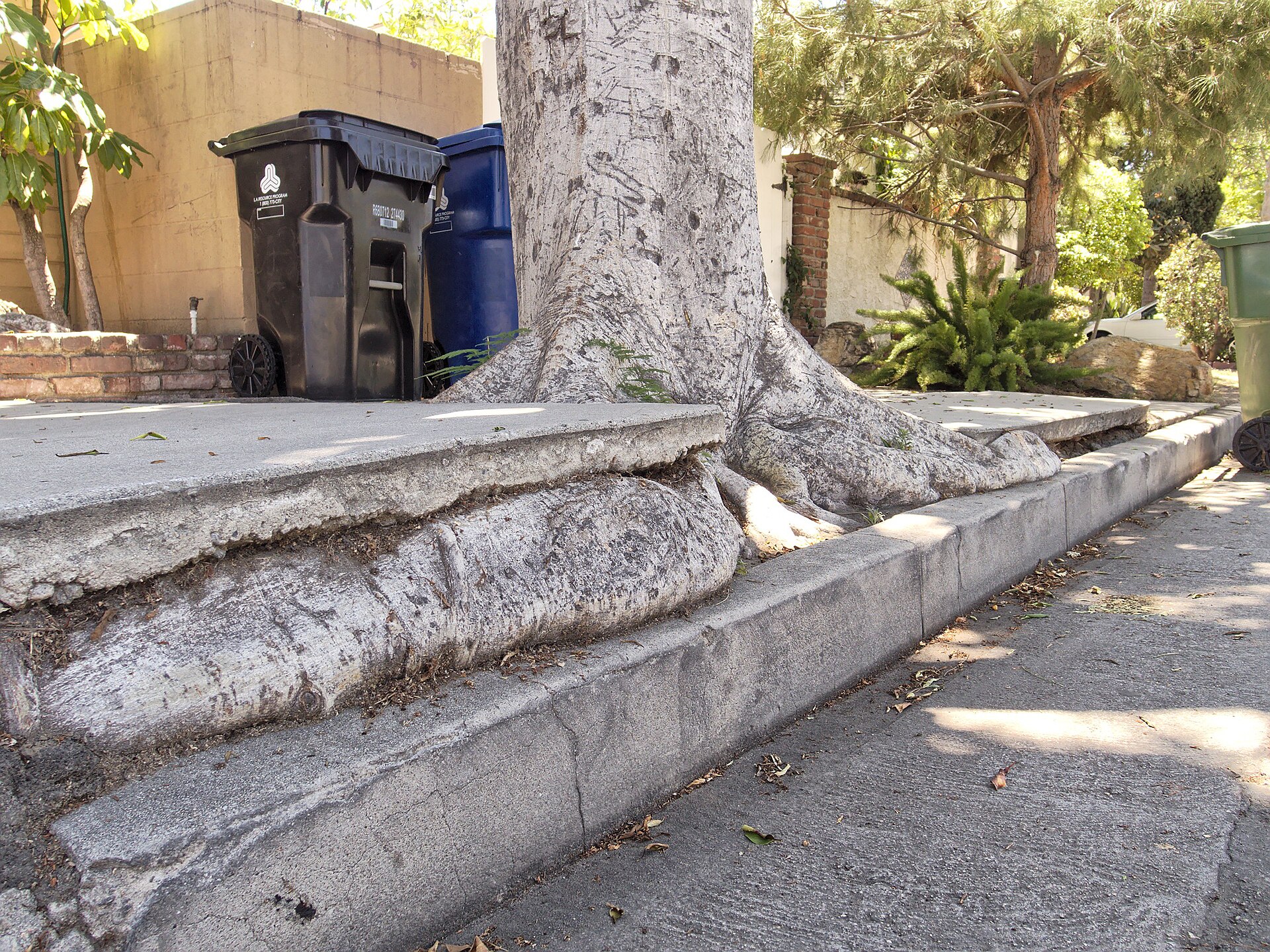
A new street-tree inventory finds the fast-growing ficus is the corridor's most common tree and its most frequent cause of buckled sidewalks.
The neighborhood, block by block, since 1925.
A new street-tree inventory finds the fast-growing ficus is the corridor's most common tree and its most frequent cause of buckled sidewalks.
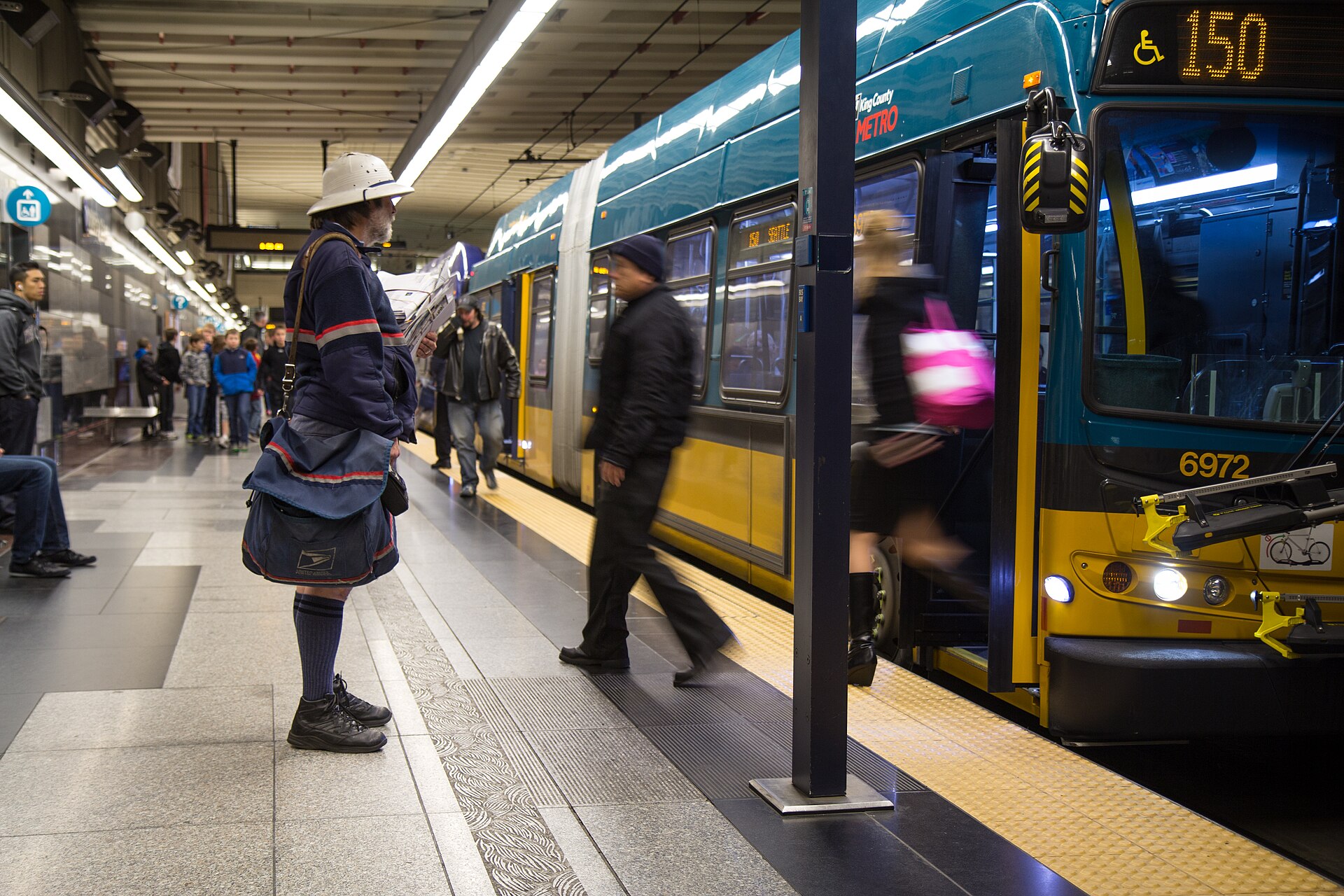
Gil Ferreira delivered to the same climb of streets above Franklin Avenue for nearly four decades. The route knew him, and he knew the route down to its dogs.
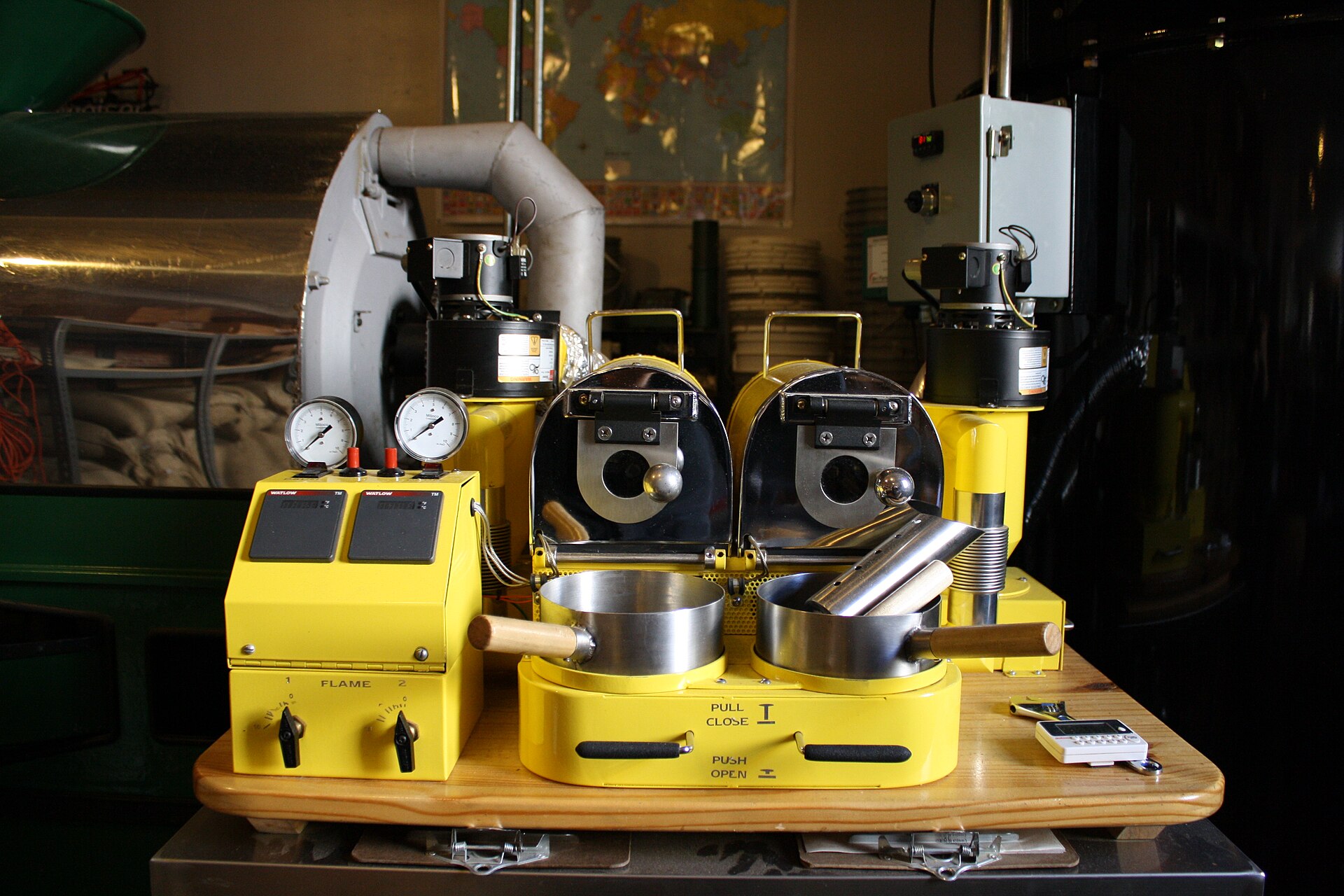
By seven on a Saturday the queue is already forty people long, folding back down a block that had no reason for a line five years ago. The owners roast their own coffee, run out of cardamom buns by ten, and did not plan on any of it.
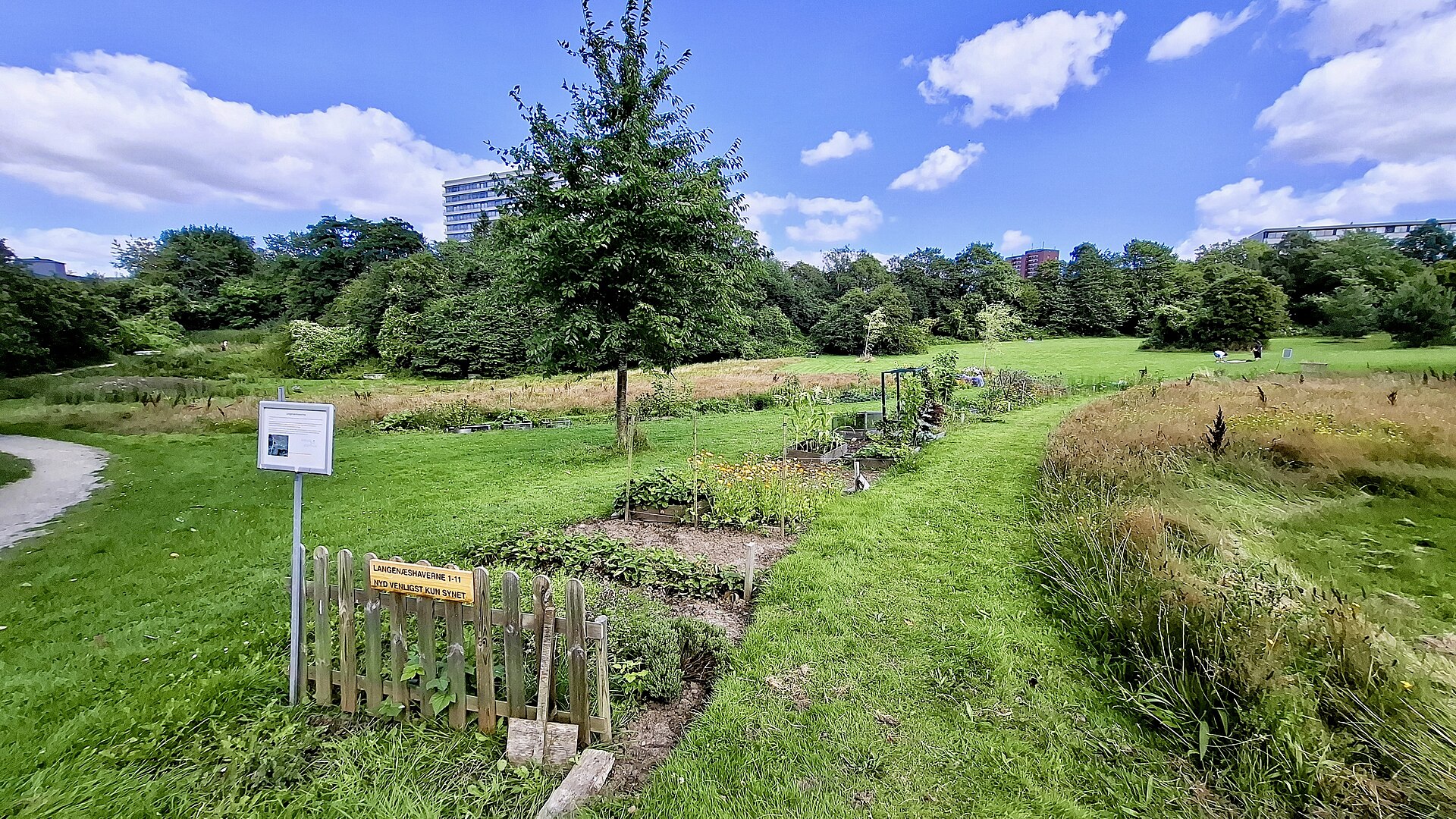
With 48 plots and more than 200 names on the list, the Fountain Avenue garden's wait has stretched to about nine years.
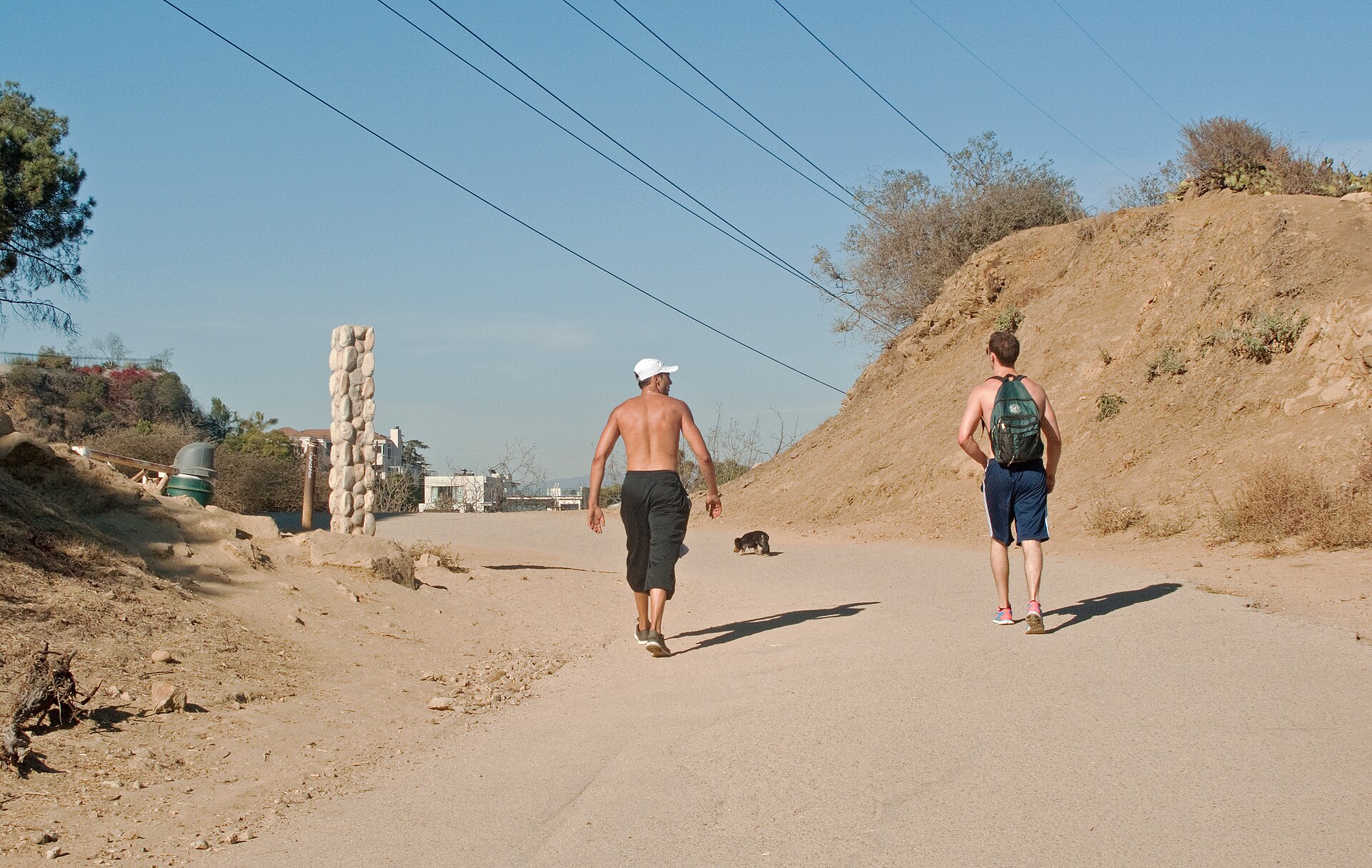
Spring rains left the slopes above Hollywood lush and crowded, and the volunteers who maintain the fire roads say the boots are arriving faster than the trails can heal.
Volunteers and city crews are putting hundreds of young trees into bare parkways this season, picking species valued less for speed than for their willingness to share the sidewalk.
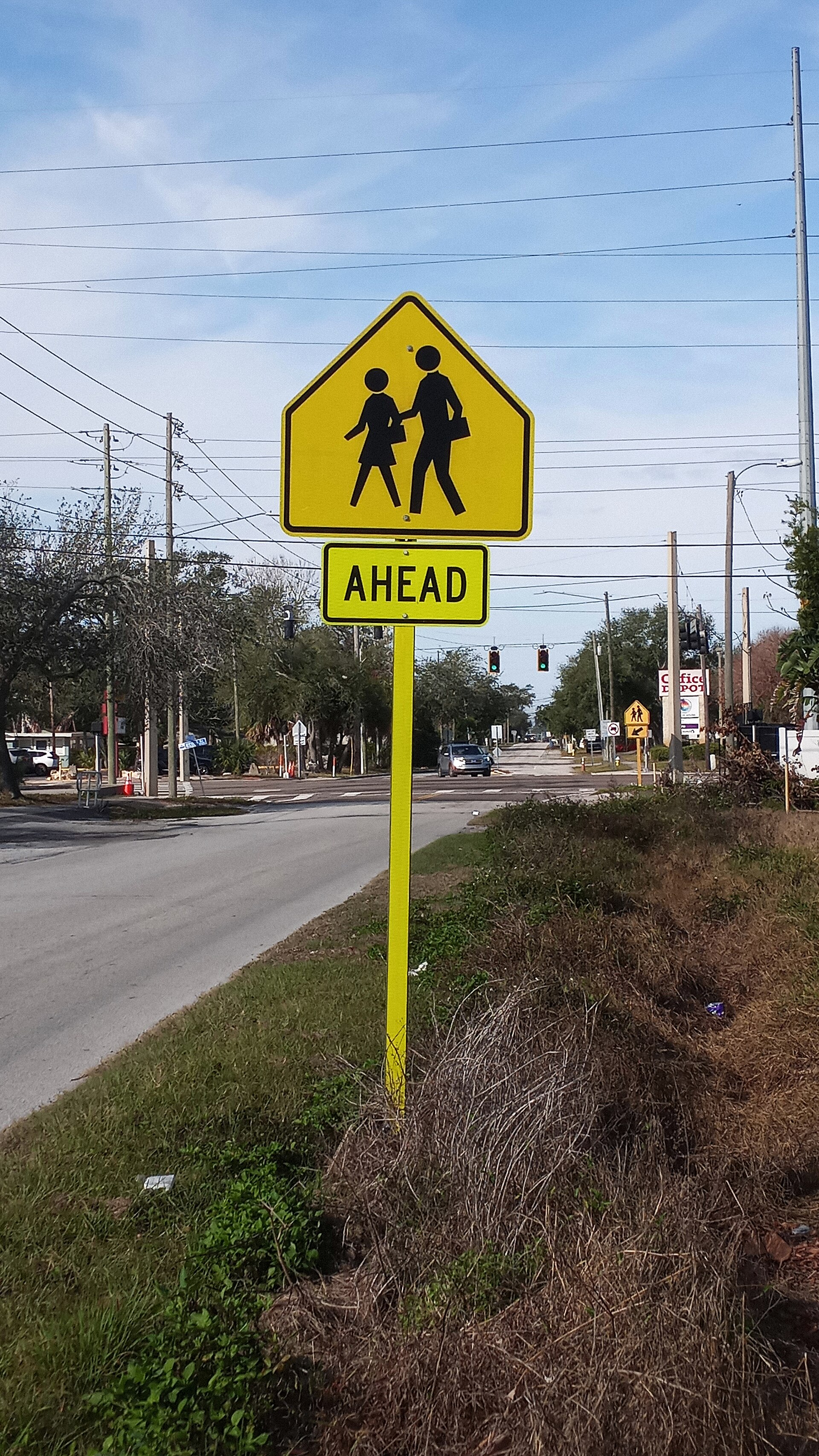
A petition from families near a Hollywood elementary asks for speed humps and a marked crossing on a street where drivers treat the morning rush as a shortcut.
The small book boxes have appeared on parkways and porches across the neighborhood, tended by residents who treat a wobbly shelf of paperbacks as a low-stakes act of trust.
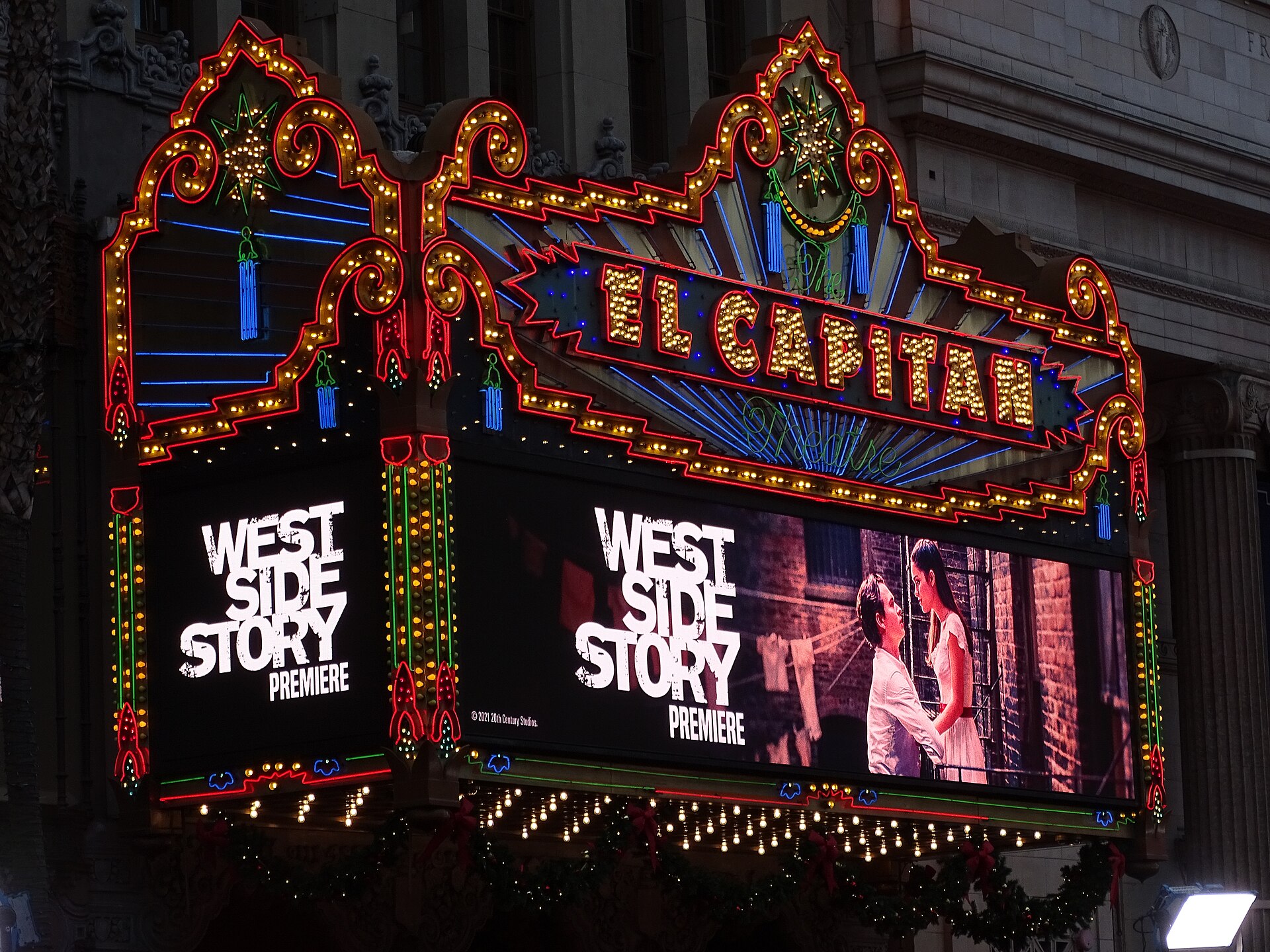
With the Christmas parade past and the decorations up, Hollywood Boulevard settles into its brightest weeks of the year, worked around the construction that will not quite go away.
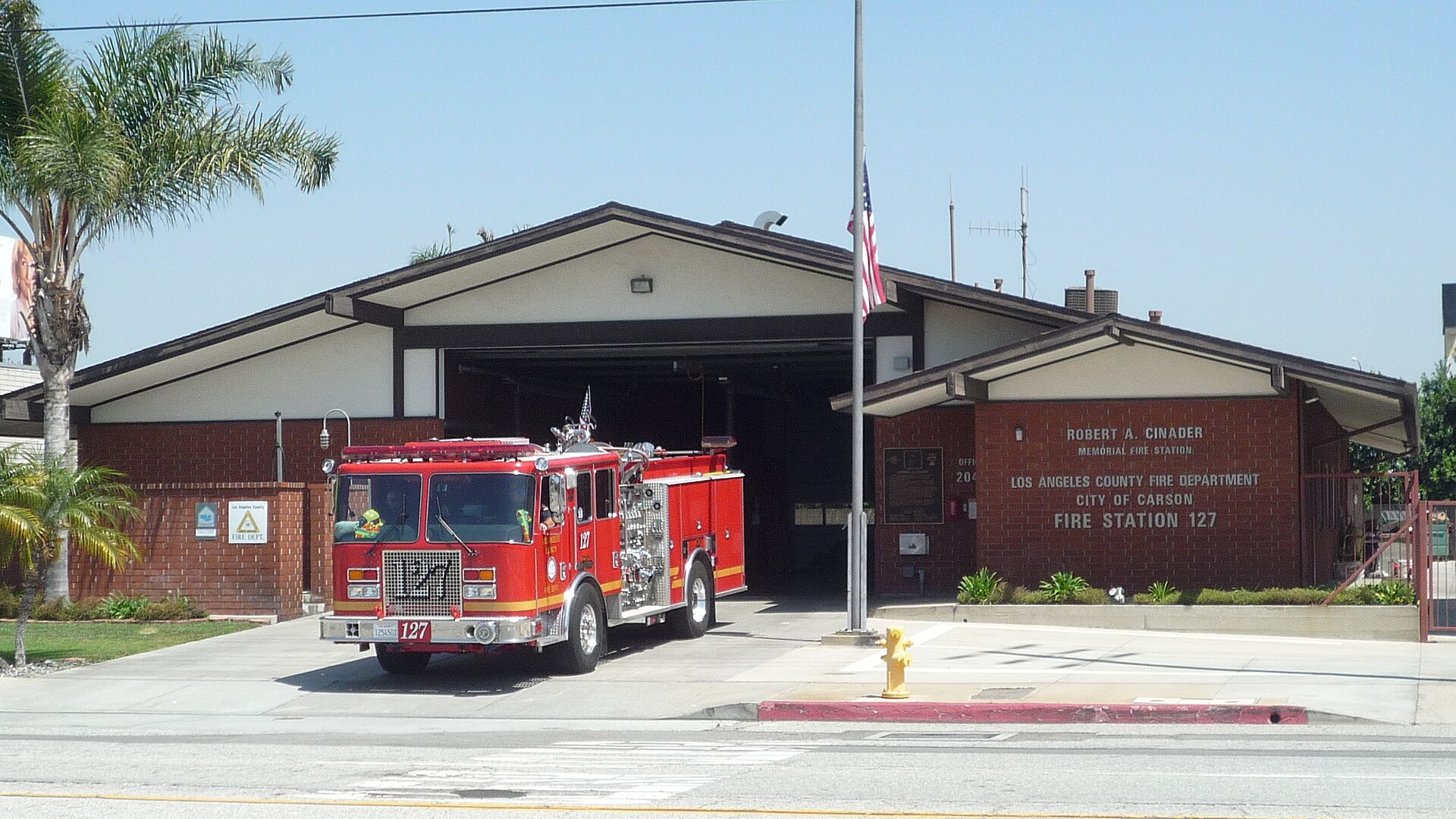
A Hollywood fire station's holiday toy and coat drive is underway again, a decades-old collection that leans, this year, on a neighborhood with less to spare.