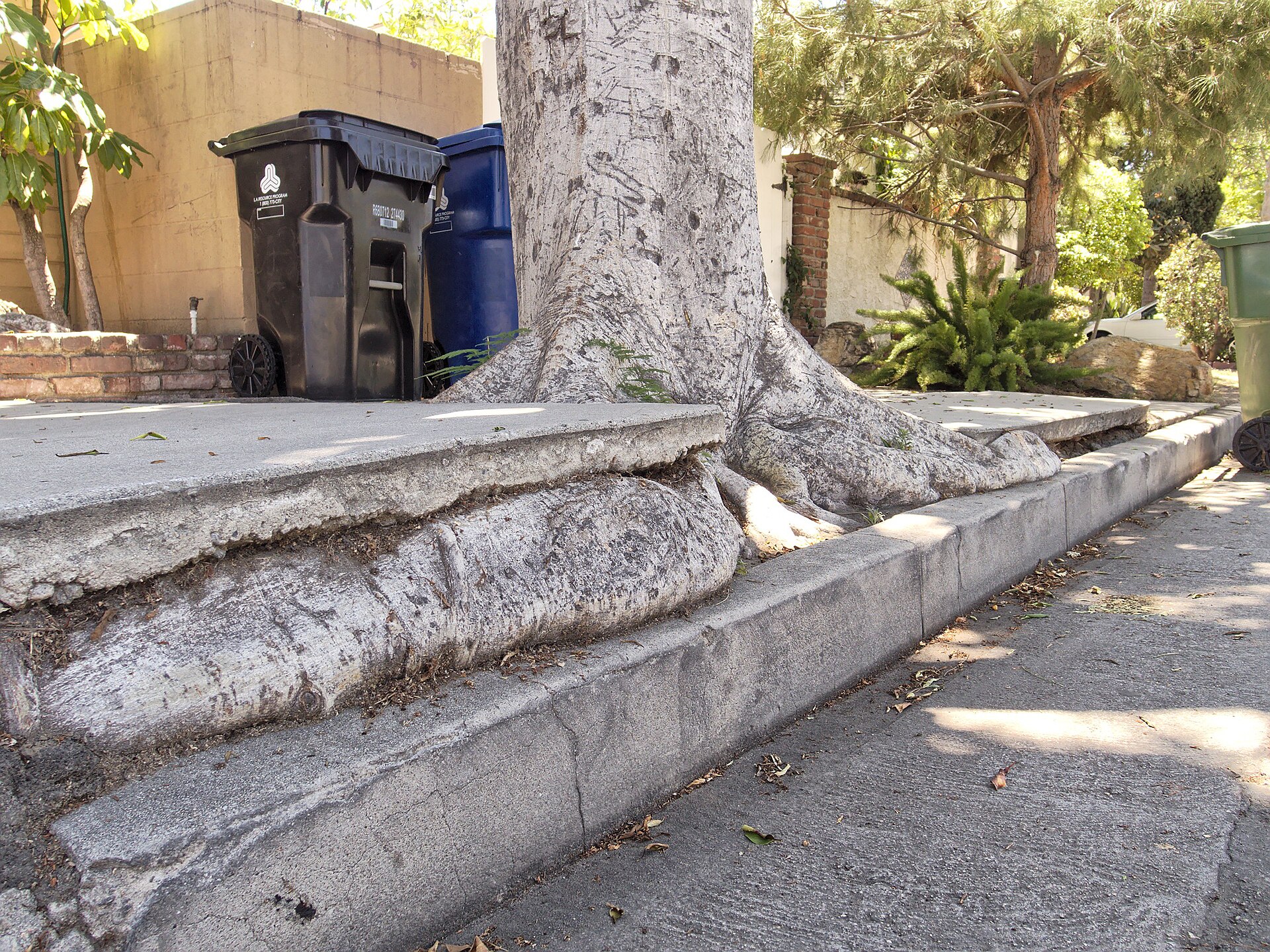
HOLLYWOOD — On a Saturday morning this month, three dozen volunteers spread out across a few blocks north of the Boulevard with shovels, buckets and a truckload of saplings, and began the slow work of putting back a tree canopy that has been quietly disappearing for years.
The planting drive, organized by a neighborhood greening group with help from city crews, aims to get several hundred young trees into empty parkways — the strips of dirt between sidewalk and curb — across Hollywood this spring. Many of those strips have stood bare for a decade or more, ever since the trees that once shaded them died, fell, or were cut down and never replaced.
“We lost a whole generation of shade and nobody quite noticed until the summers got unbearable,” said Priya Anantharaman, who coordinates the volunteers. “A bare street is ten, fifteen degrees hotter. People feel it. They just don’t always connect it to the missing trees.”
The group is deliberate about what goes in the ground, and the reason is visible on half the older blocks in the neighborhood: sidewalks heaved into ridges by the aggressive roots of the fast-growing ficus trees planted generations ago. Those trees threw shade quickly and then spent the next forty years cracking the concrete around them, a bargain the city is still paying off in trip-and-fall claims and repair backlogs.
“The old approach was plant something big and fast and worry about the sidewalk later,” said Corwin Adeyemi, an arborist advising the effort. “Later showed up. Now we’re picking trees that mind their manners underground — deeper roots, slower growth, species that will still be standing and behaving in fifty years. It’s less instant gratification and a lot less broken pavement.”
That patience is a hard sell to residents who want shade now, and organizers admit as much. The trees going in this spring are knee-high and unimpressive, and it will be years before they throw meaningful shade over anyone’s window. The volunteers spend part of each planting session simply explaining why the sapling in the hole is not bigger.
The other hard part is what happens after the planting. A young street tree needs watering through its first few dry summers, and Los Angeles summers are neither short nor gentle. The group is signing up residents to adopt the trees on their blocks, promising a few gallons a week, and hoping enough of them follow through to keep the saplings alive past the novelty.
“Anyone can dig a hole on a Saturday. The tree lives or dies on the Tuesdays after,” Anantharaman said, tamping soil around a young oak with her boot. “We’re not really planting trees today. We’re asking a neighborhood to keep a promise for three summers.” By noon the block had two dozen new trees in it, each staked, each with a bucket beside it, and a hand-lettered sign asking whoever lived nearest to please, this year, remember to water.