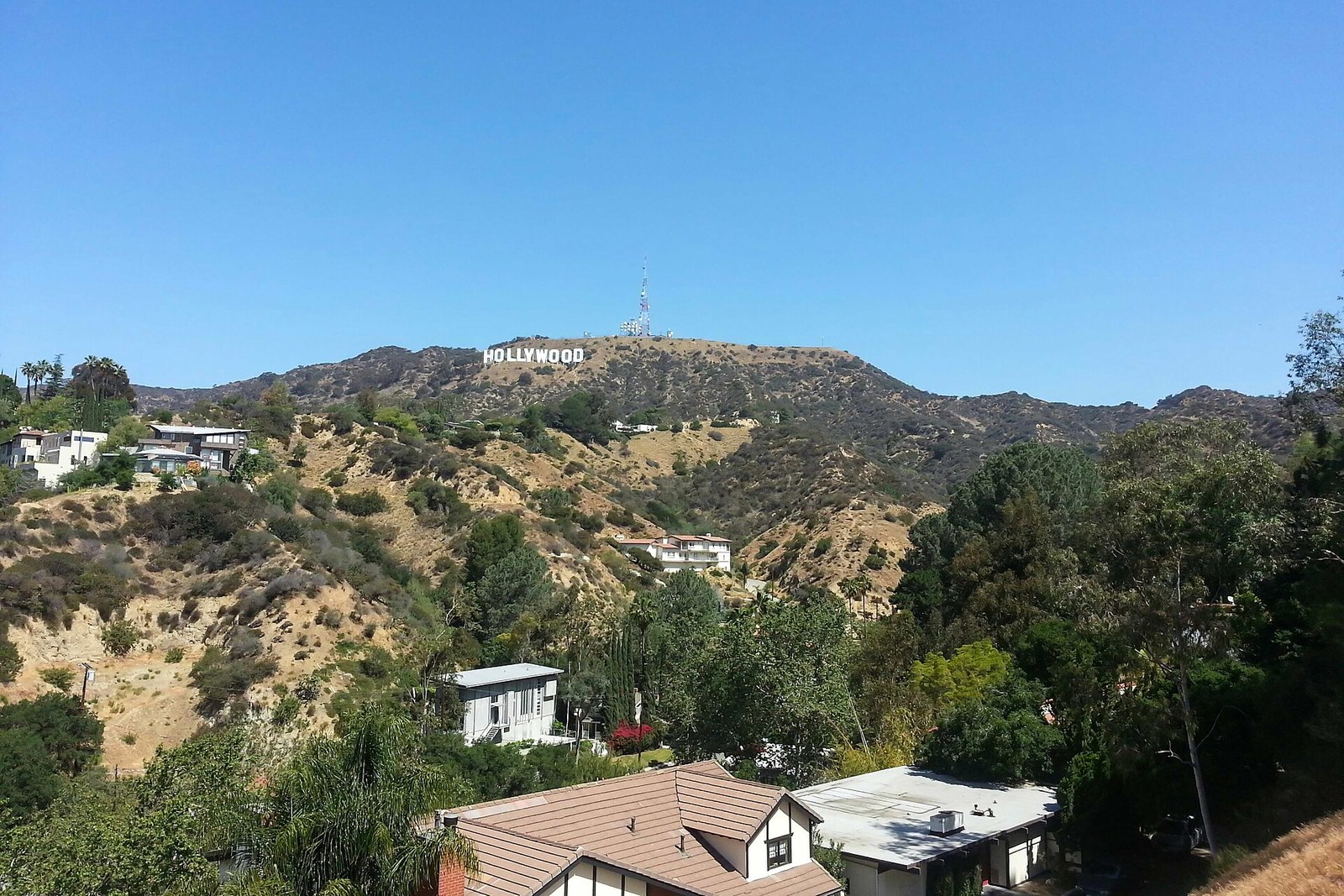
HOLLYWOOD — Corinne Waldrop has lived on the same Beachwood Canyon hillside for thirty-one years, and she can tell you the date the grass turned each of them. This year it was the fourth week of July, a month early, during the four days over a hundred that the neighborhood has otherwise mostly stopped talking about.
“You could hear it,” she said. “The hill makes a different sound when it’s cured. It stops rustling and starts ticking.”
The Fire Department heard it too. Its brush-clearance inspectors, who walk the hillside districts every spring against a May deadline and return in late summer to check the parcels that failed, came back through the Hollywood Hills the last two weeks of August with the July heat wave in the file. According to Capt. Renata Sobczak, who oversees the unit’s work in the district, the second round found roughly nine parcels in ten in compliance — grass cut, dead growth cleared, the wider band of thinned brush that the code requires around a structure on a slope.
The tenth parcel is the story, and it is usually the same story.
“The people who live on the hill have cleared it, almost without exception, because they can see it,” Capt. Sobczak said. “The parcels that fail belong to people who are somewhere else — an estate, a trust, an owner in another state, a vacant lot nobody has thought about since it was bought. We send the notice, we come back, and if it is still not done, the city has it done and the owner gets the bill, with the fee on top.”
The fee, and the bill, are not small, and the department would rather not collect them. It would rather the work be done in May. This year the July heat made a case the department has been making for years with less success: that a hillside that is dry by August is a hillside that was dry by June, and the calendar on the inspection notice is the latest acceptable date, not the target.
On Ms. Waldrop’s street, the ritual is settled. The crew comes in late April, cuts two hundred feet back from the house instead of the hundred the older neighbors still argue for, and hauls it away before the inspector’s first visit. She has done it every year since the fire in the canyon in the nineties that everyone on her street can still describe, house by house, in the order the wind took them.
“There is a house up the road that changed hands twice in ten years, and neither owner ever came to live in it,” she said. “It failed in May. It failed in August. I have been the one calling it in, and I do not enjoy being the one calling it in.”
Capt. Sobczak said the department’s red-flag parking restrictions — the narrow canyon streets where parking is banned whenever the weather service posts a fire-weather warning, so that an engine can get up and residents can get down — will be in effect on the usual streets when the first warning of the season comes, which in Hollywood is typically October, with the Santa Ana winds.
“The clearance is the part people can control,” she said. “The wind is the part they can’t. We try to spend the summer on the part they can.”
By the end of last week, the unit’s notices for the district had gone out, the contractor’s crews had been scheduled for the holdouts, and Ms. Waldrop had started, as she does every year around this time, leaving the garden hose connected and the car keys by the door. She described this not as fear but as tidiness.
“You live on a hill in Los Angeles, you keep the hose on,” she said. “That’s all. It’s the ticking I mind.”