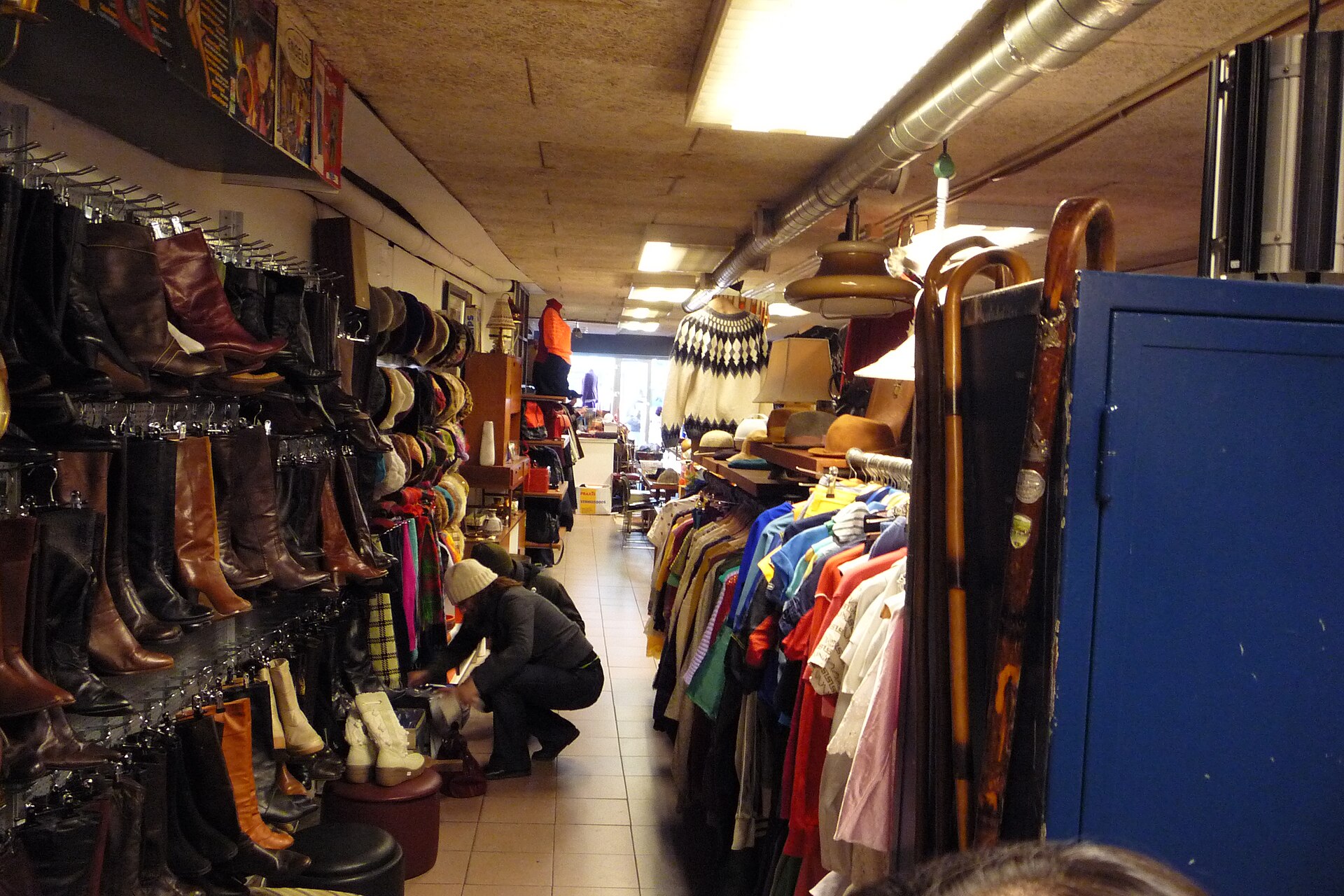
HOLLYWOOD — By the second week of October the aisles of the costume shop have narrowed to a shuffle. Racks that stand apart the rest of the year have been wheeled together to make room for the crowds, and a line forms most afternoons at the single fitting curtain in the back, where someone is always trying to decide whether the cape reads as vampire or magistrate.
“These few weeks are the business,” said Ingrid Sczepanski, who has owned the shop for twenty-two years. “I know that sounds dramatic. It isn’t. If October goes well, the year is fine. If October goes badly, I spend the winter doing math I don’t enjoy.”
The shop rents and sells in roughly equal measure — a wall of hats, a rack of period coats, bins of wigs sorted loosely by color, a case of stage makeup behind the register. Some of the stock is genuine vintage, some of it built for costume, and a fair amount of it has been rented out, returned, mended and rented again more times than Sczepanski cares to count. The mending is much of the work. A cape comes back with a torn lining; it goes to the sewing table in the corner before it goes back on the floor.
The clientele splits between two crowds that rarely overlap. There are the neighborhood families and office parties chasing a costume for the end of the month, and there are the working customers — a small theater outfitting a production, a music video that needs eight matching soldiers by Thursday, the occasional wardrobe assistant who could not find a specific hat anywhere else. The second group keeps a trickle of business alive year-round. The first group pays for October.
“People assume a shop like this is busy all the time because it’s in Hollywood,” said Marcus Delvaux, who has worked the floor for six seasons and manages the rentals. “It’s the opposite. In February I’m dusting. In October I’m turning people away at closing. You live off the peak and you plan for it all year.”
That planning is most of the job. Sczepanski spends the quiet months buying stock at estate sales, repairing what came back damaged, and guessing at what the season will want — a guess she admits she gets wrong as often as right. Some years a single film or show sends everyone hunting for the same look, and she does well if she happened to stock it and poorly if she did not.
The economics are less forgiving than they used to be. Rent has climbed, cheap disposable costumes sell online for less than she can rent a good one, and a run of slow years for the film work that once padded her off-season has left the autumn peak carrying more of the load. She has held on, she said, because the shop is paid for in a way that a spreadsheet does not capture and she is not quite done with it.
For now the line at the fitting curtain is long, the sewing table is buried, and Sczepanski is exactly as busy as she needs to be for exactly as long as it lasts. On the first of November, she said, she will sleep, and then she will start getting ready for next October.