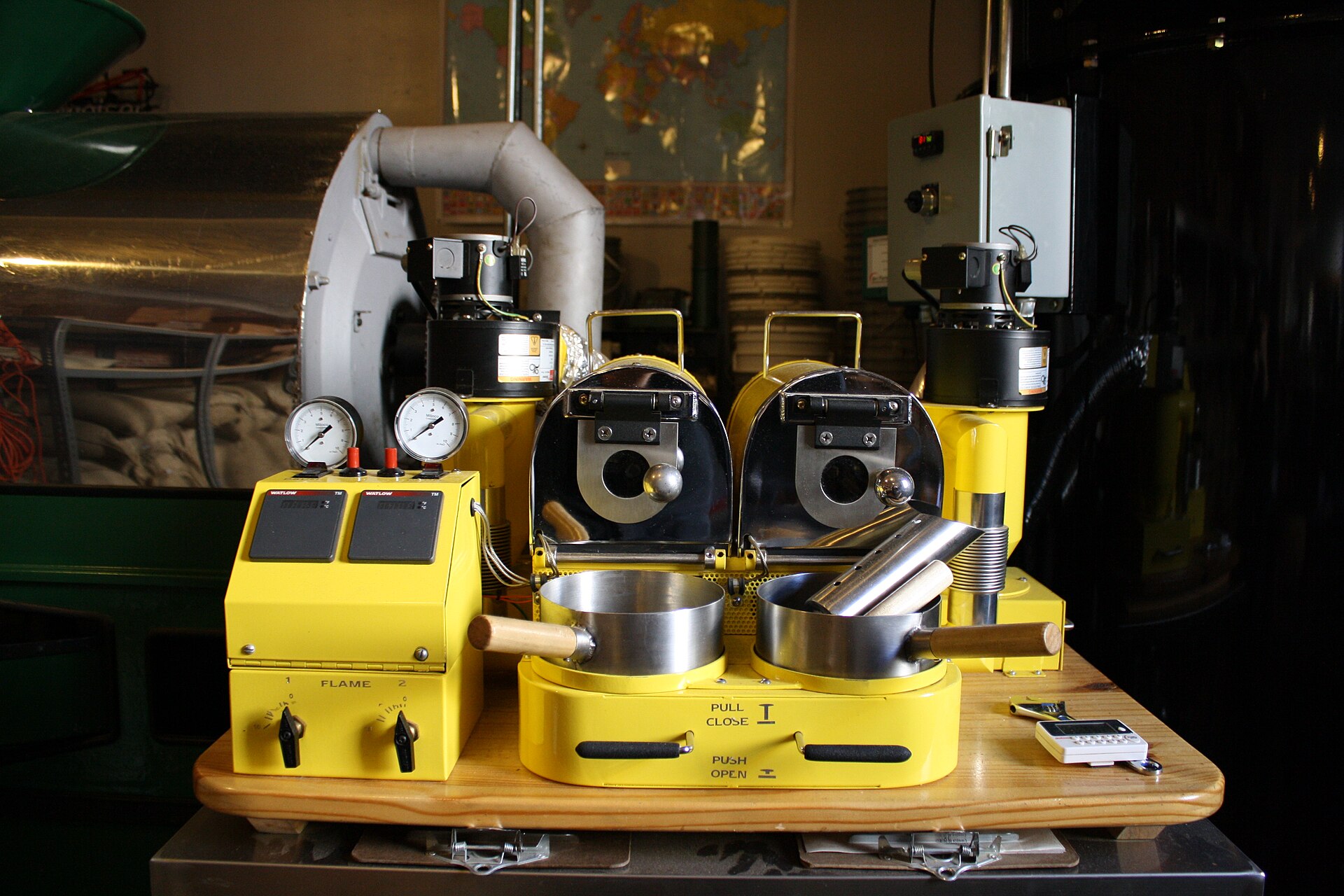
HOLLYWOOD — The espresso machine went in where the film-developing counter used to stand, which the new tenant took as a decent omen and the landlord took as one less thing to rip out.
Meridian Coffee, a small roaster that has spent eight years selling beans to restaurants and pulling shots from a single cramped counter near Melrose, is opening a second cafe this summer in a storefront that sold cameras and film for close to forty years. The camera shop closed over the winter, beaten by the phone in everyone’s pocket, and the space sat dark until the roaster’s owner walked past it twice and then let herself think about it.
“I ran the numbers, and then I ran them again with meaner assumptions, because that’s the only honest way to do it,” said Coralie Vinh, 41, who started Meridian out of a rented corner of a commercial kitchen. “A second shop is where a lot of small food businesses go to die. You double the rent and the payroll before you double the customers, and the months in between are where you learn how much cash you really had.”
What tips the arithmetic in her favor, she said, is the part of the business nobody sees. Meridian’s wholesale accounts — the cafes and restaurants that buy its beans by the case — cover the roasting operation’s fixed costs whether the new cafe has a good week or a bad one. The retail counters are, in a sense, the showroom for a business that mostly happens in fifty-pound bags.
The camera shop’s former owner, Sal Ontiveros, 73, stopped in while the buildout was underway, mostly to see what became of the place. He had sold the store’s fixtures for scrap and kept only the hand-lettered sign. “Film was a good business for a long time, and then it wasn’t, and there’s no use being bitter about the calendar,” he said. He told Vinh where the good light comes in and which floorboard squeaks.
Vinh is hiring five people for the new counter and has poached none of them from the original, which she said was deliberate. “You don’t gut one location to open the next. That’s how you end up with two mediocre shops instead of one good one.”
She is not promising froth, in either sense. The menu is short. There will be no lavender syrup, no branded tumblers, no upstairs lounge. “We roast coffee, we make it well, and we charge what it costs plus a little,” she said. “That’s the whole plan. People keep waiting for the twist. There isn’t one.”
The margins are thinner than the crowds outside her Melrose counter might suggest. Vinh said a well-run cafe keeps single-digit cents on the dollar after rent, milk, and wages, which is why the wholesale side matters and why she waited eight years to do this rather than three.
The new cafe is set to open in June. On a wall by the door, Vinh has hung Ontiveros’s old camera-shop sign, the one thing in the room she did not pay to put there.