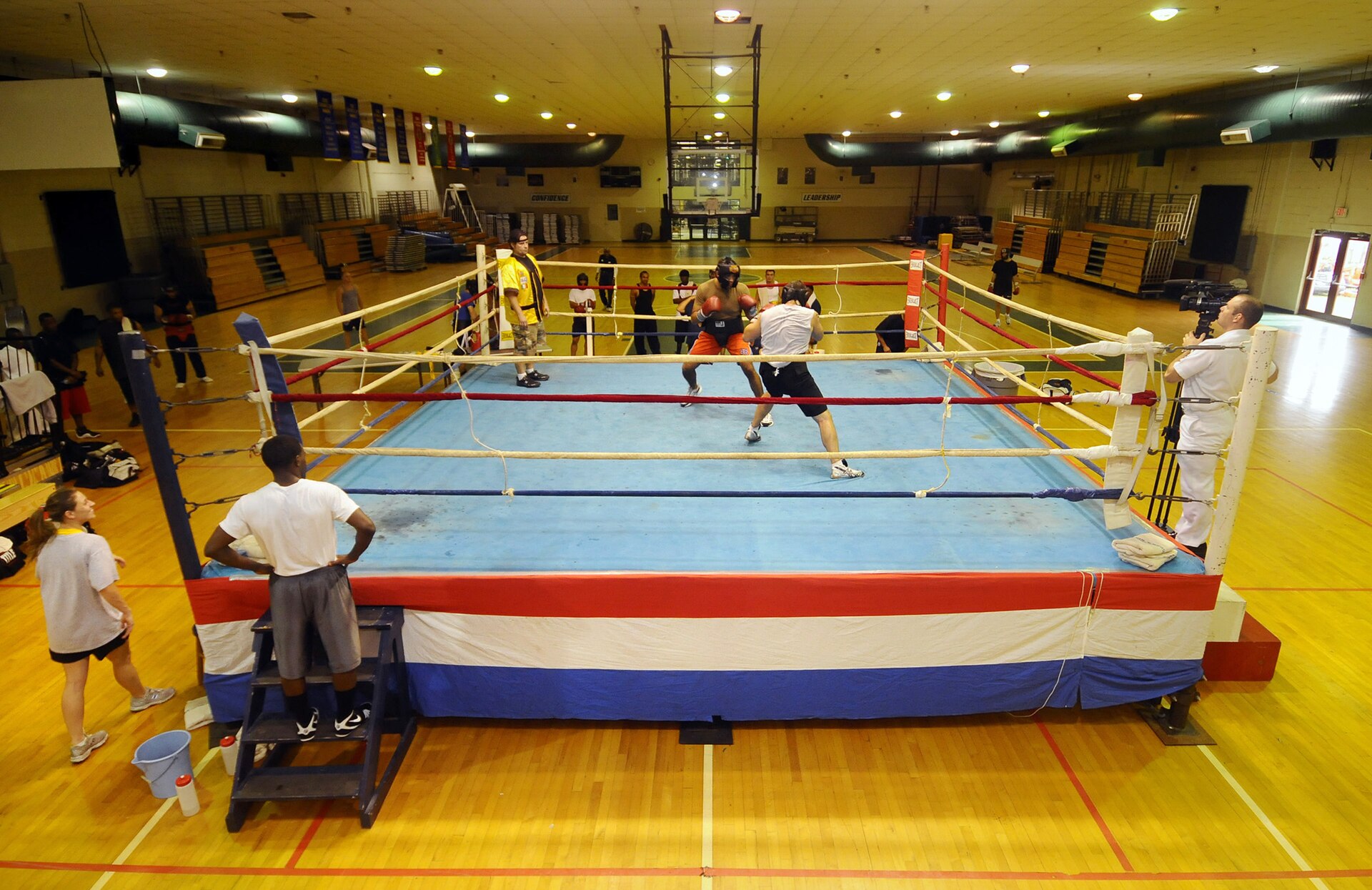
HOLLYWOOD — The gym smells of sweat and floor cleaner, the heavy bags hang in a patient row, and in the back ring a nineteen-year-old is being told, for the third time in an hour, to stop trying to knock the sparring partner’s head off.
Yesenia Talavera came to the boxing gym in East Hollywood two years ago meaning to lose a little weight and to have somewhere to go after work. She found instead that she could fight, and that she loved it, and now she is a few weeks from the biggest test of her short amateur career: a regional tournament that her coach believes she can win, if she can master the one thing that keeps beating her, which is herself.
“She’s got everything you can’t teach. Fast hands, no fear, a straight right that’ll end your night,” said Bobby Kettering, who has run the gym for two decades and taken on Talavera as the kind of prospect a coach gets once every few years. “What she doesn’t have yet is patience. She wants the knockout in round one. Amateur boxing isn’t about the knockout. It’s about the points, and about not getting tired being angry.”
Amateur boxing is scored on clean punches landed, not on damage, and it rewards the fighter who stays composed over three short rounds rather than the one who swings for the fences. Talavera, by her own account, has lost bouts she was winning by getting frustrated when an opponent covered up, abandoning her jab to chase a finish that was not there. Kettering has spent the spring drilling her to keep her feet under her and her head clear, which he says is harder than any physical work he could ask of her.
“I know exactly what he means. I get in there and something takes over and I forget the whole plan,” Talavera said, unwrapping her hands after a round of pad work, still slightly out of breath. “He’s in my corner going, jab, jab, and I can hear him, and I want to listen, and then she leaves an opening and I just — go. I’m working on it. It’s the hardest part.”
The gym itself runs on almost nothing, a storefront operation kept alive by dues that barely cover the rent and by Kettering’s refusal to close it. Its walls carry a few faded fight posters and photographs of boxers who trained there and went on to modest professional careers. Talavera trains alongside teenagers who come after school and grown men who come after their shifts, the mix of a neighborhood gym where the sport is less a career path than a discipline that gives a hard day somewhere to go.
The regional tournament is a few weekends off, and Kettering is not making promises about it. He said only that if his fighter boxed the way she trained on her calmest days, she would trouble anyone in her weight class, and that the whole job between now and then was getting her to bring that version of herself into the ring on a night when her blood was up.