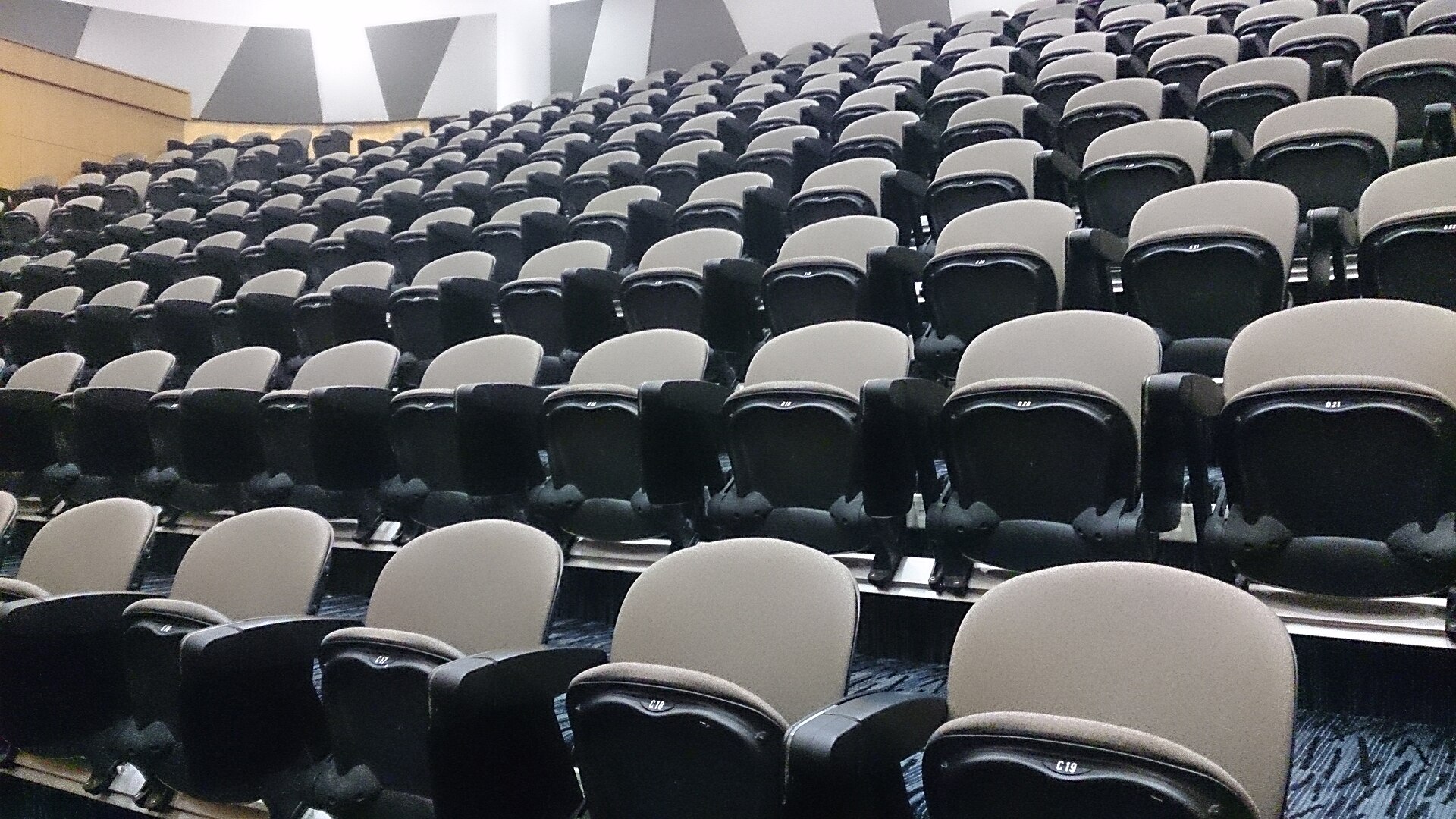
HOLLYWOOD — Opal Kilgore, who ran the candy counter at a Hollywood Boulevard movie palace for fifty-one years and was, by the estimate of everyone who worked above her, the actual management, died August 17 at a care home in Burbank. She was 94.
Her granddaughter, Dana Kilgore Voss, said the cause was congestive heart failure.
Mrs. Kilgore took the counter job in 1954, at 22, intending to keep it for a summer. She kept it until 2005, through four owners, two restorations, one bankruptcy, three marquee replacements and, by her own count, eleven managers, several of whom she trained without either party acknowledging it.
Her memory was the counter’s famous feature. Regulars did not order; they were recognized. A thousand standing orders, her colleagues estimated, held in no notebook: the widower who took a small popcorn with double butter on Sundays, the seamstress who bought one box of chocolate-covered raisins on payday and none otherwise, the boy who became a father who became a grandfather, all three of them Junior Mints.
“You’d see people test her,” said Ambrose Dickey, who managed the theater in the 1990s. “Someone would come back after fifteen years in another state and stand there grinning, waiting. And she’d look up and say, ‘Root beer, no ice,’ and go get it. She told me once the trick was that she never memorized anything. She just paid attention, which she considered a different activity.”
The second ledger was less famous, by design. The counter kept the official books, which Mrs. Kilgore balanced nightly and which four owners audited without complaint. It also kept hers: a private accounting of children who arrived with matinee money and nothing for the counter, and left with popcorn anyway. She marked those transactions in a code her granddaughter only decoded after her retirement — “M.P.,” for medical popcorn, dispensed on her diagnosis that a child watching a matinee without popcorn was suffering from a treatable condition.
She covered the shortfalls herself, from a coffee can, for decades. When a 1970s owner discovered the practice and moved to end it, the projectionists’ and ushers’ informal response — described by survivors of the era as a work-to-rule campaign of majestic slowness — persuaded him to reconsider. The can stayed.
“She was not sentimental about it. That’s what people get wrong,” her granddaughter said. “She’d grown up in the Depression watching movies from the alley door because a nickel was groceries. She said the counter was the cheapest place in the world to fix a thing that stays broken forever if you don’t fix it at nine.”
Opal Kilgore was born Opal Marchbanks in 1931 in Ada, Oklahoma, came to Los Angeles with her mother in 1946, and married Weldon Kilgore, an electrician at a studio on Melrose, in 1953; he preceded her in death in 1998. She is survived by a son, two granddaughters, four great-grandchildren, and — established at her retirement party in 2005, when the theater papered the lobby with them — several hundred people’s standing orders, which attendees wore on name tags in place of their names.
Her family asks that, in place of flowers, mourners take a child to a matinee. The candy order is at the discretion of the child.