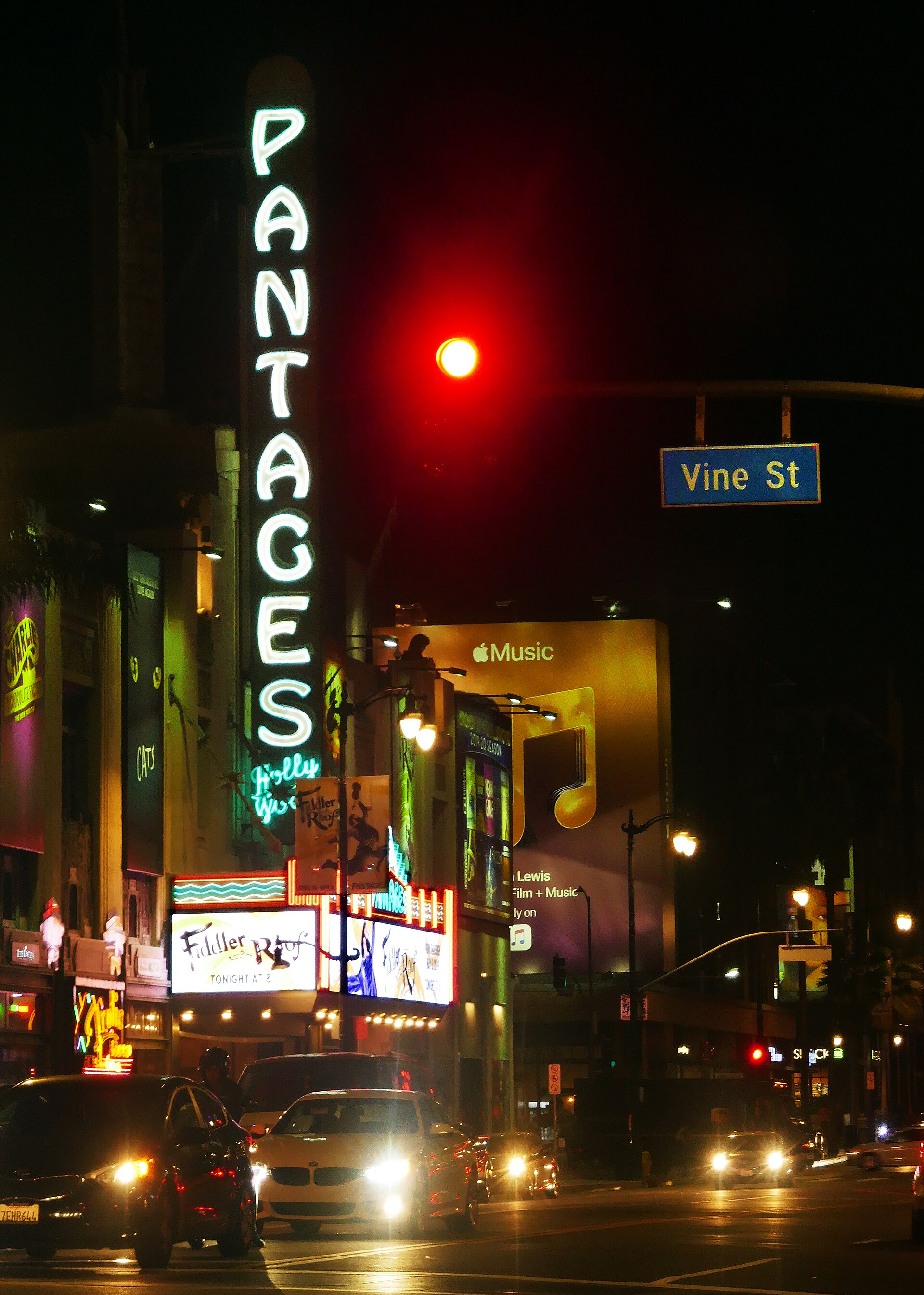
LOS ANGELES — The wooden dining decks that restaurants threw together in a hurry six years ago were always described as temporary. On Thursday, a City Council committee spent two hours arguing over how to make them permanent without pretending they come free.
At issue is the program that let restaurants build platforms over curbside parking spaces and expand tables onto the sidewalk during the years when indoor dining was restricted. The emergency rules that allowed them have been extended again and again. City staff told the committee that roughly a third of the structures across the wider district no longer meet the safety standards the city drafted in the meantime, and that some have quietly become storage sheds or been abandoned by restaurants that closed.
“We can’t keep governing this with a rule we promised would expire,” said Councilmember Alicia Rendón, who sits on the committee and whose district takes in much of Hollywood. “Either it’s a real program with real standards and a real fee, or we admit we’re running a permanent thing on a temporary wink. I’d rather write it down.”
The sticking point, as it usually is, is money. A permanent program would charge restaurants for the public space they occupy — a parking deck sits on what used to be metered curb, and metered curb is revenue the city gives up. Staff floated an annual per-square-foot fee, scaled to whether a structure sits on the sidewalk or in the roadway, plus a one-time permit and an engineering sign-off.
Restaurant owners who filled the room were split. Some said the platforms saved them and that a reasonable fee is worth keeping the seats. Others said the numbers in the draft would erase the narrow margin the decks provide.
“The deck is eight tables. On a good Friday those eight tables are the difference between making rent and not,” said Georgina Halloran, who runs a small trattoria on a side street off the Boulevard. “I’ll pay a fair fee. But the first figure I saw in that staff report would take back most of what the deck earns me. That’s not a fee, that’s a closure notice with a delay attached.”
Disability advocates pressed a different concern, telling the committee that some platforms and sidewalk setups have squeezed the walkway below the clearance a wheelchair needs, and that a permanent program has to be enforced, not just written.
“Permanent is fine. Permanent and unenforced is how we got the sidewalks we have now,” said Ruben Iwuchukwu, who uses a wheelchair and testified in favor of firm width rules.
The committee took no vote, sending staff back to revise the fee schedule and return with options that distinguish a sidewalk café from a full parking-space structure. Rendón asked for a tally of how many current decks would actually meet the new standards, a figure nobody in the room could supply.
A revised proposal is expected before the committee in late spring, when the full council would take it up. Until then the temporary rule, now on its fourth extension, remains in force.