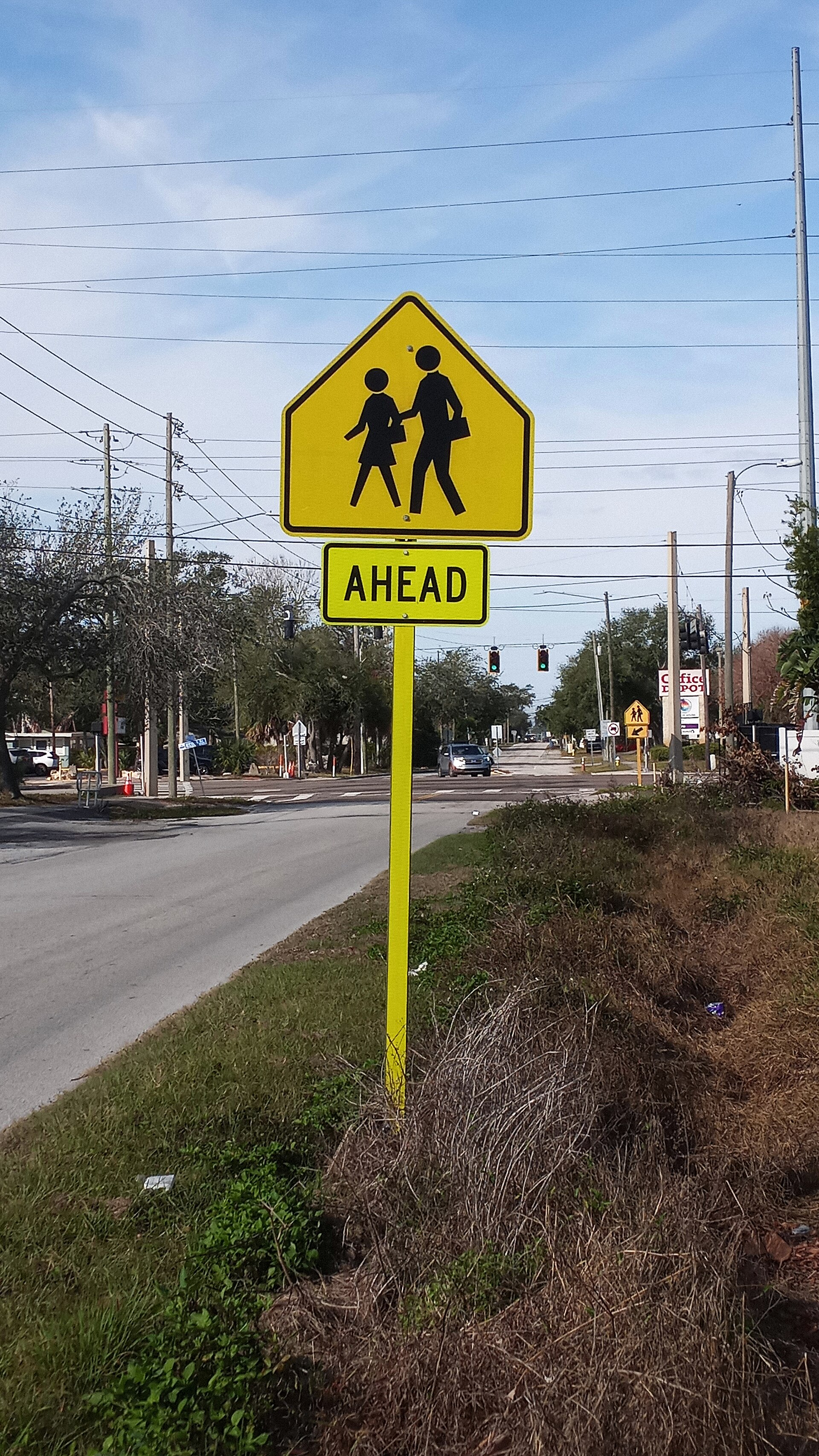
LOS ANGELES — A council committee spent three hours on Tuesday on a stretch of Hollywood pavement barely half a mile long, weighing a plan to slow the traffic that residents say has turned a residential street beside an elementary school into a rush-hour shortcut.
The proposal is unglamorous and concrete: four speed humps, a new stop sign, a tightened crosswalk with a painted curb extension, and, if a later study supports it, a full traffic signal at the corner where two children and a crossing guard were struck in separate collisions over the past year. Neither crash was fatal. Both, parents told the committee, were predictable.
“We have been asking for something at that corner since before my daughter started kindergarten. She is in third grade,” said Deborah Halloran, 41, whose child attends the school and who organized a petition that drew more than four hundred signatures. “I do not want to come back here after the third one.”
The corridor’s problem is familiar to anyone who has driven it. Navigation apps route drivers off a clogged arterial and onto the residential street to save ninety seconds, and the ninety seconds are spent accelerating past a schoolyard. City transportation staff clocked the eighty-fifth-percentile speed at eleven miles an hour over the limit during the afternoon pickup window, which is the number that tends to move a project from a wish list to a work order.
The delay, staff explained, is money and sequencing. Speed humps are cheap and can go in within months once funded. A signal is neither, requiring engineering, a warrant study and a place in a citywide queue that already runs years long. The committee’s chair pressed staff on whether the cheap measures could be installed now while the signal is studied, rather than waiting to package everything together, and staff agreed to bring back a phased schedule.
Not every neighbor was persuaded. A handful of residents warned that speed humps would push cut-through drivers onto parallel streets that have no school and no petition, simply relocating the hazard. One man who has lived on the block for two decades said he supported the crosswalk work but worried the humps would slow the fire engines that use the street to reach a station nearby. Fire department staff said the design would use the gentler profile that emergency vehicles can clear.
Councilmember Alicia Rendón, who represents the area and requested the hearing, said the two collisions had removed the argument that the corridor could wait. She asked the committee to fund the near-term measures out of an existing safety account rather than send them back into the budget cycle, and the committee voted to move that request forward.
Halloran left before the vote to make the afternoon pickup. The measures still face a full council vote, a design phase and the ordinary friction of getting anything poured in concrete on a city timeline. The speed humps, if funded this summer, could be in the ground by the time school resumes in the fall.