LOS ANGELES — The park that is supposed to float over the Hollywood Freeway got a little more real on paper this week, and no closer to being built.
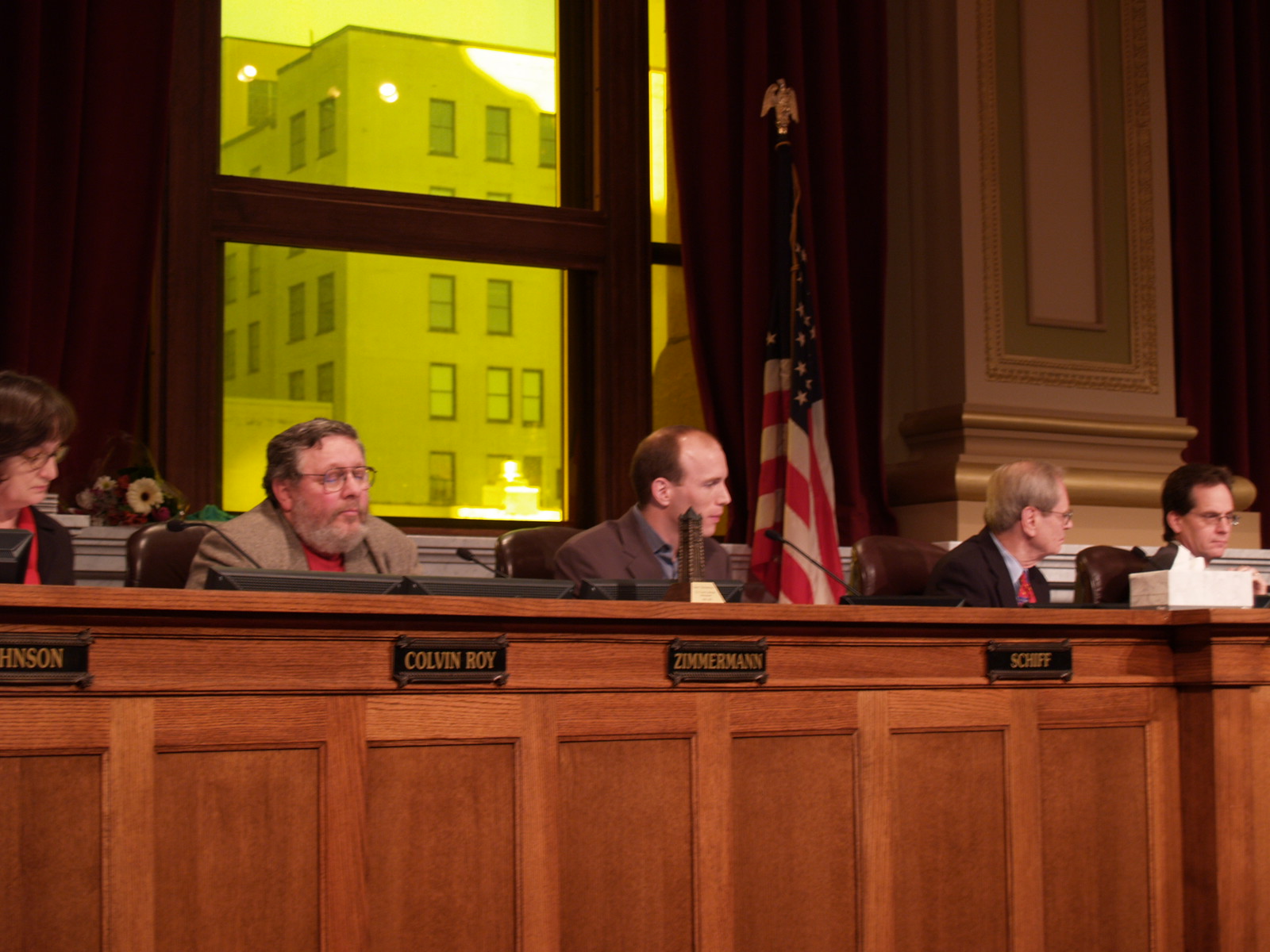
City staff briefed a council committee on the status of the long-imagined deck park that would cap a stretch of the 101, roofing the sunken freeway between Hollywood and the neighborhoods to its south with a lid of parkland. The concept has circulated around City Hall for the better part of two decades. The update offered advanced drawings, refined engineering and a firmer cost estimate, and no money to build any of it.
The estimate is the part that changed. Bridging a working freeway with a structure strong enough to hold soil, trees and crowds is an expensive proposition, and the figure staff presented had grown well beyond the numbers floated in the project’s earlier, sunnier briefings. Officials attributed the increase to construction inflation, the demands of building over live traffic, and the simple passage of time, which has a way of making every large public project cost more the longer it is admired and the less it is funded.
Councilmember Alicia Rendón, who has backed the park through several of these updates, struck a tone that mixed advocacy with realism. She called the deck park a generational chance to stitch a neighborhood back over the trench that divided it, and acknowledged in nearly the same breath that the city did not have the hundreds of millions the project would require, and would have to assemble it, if at all, from state and federal grants and private money over years.
“I am not going to stand here and tell you we have the funding. We do not,” Rendón told the committee. “What we have is a plan good enough to compete for the funding, which is more than we had, and less than a park.”
Advocates who have followed the project filled a few rows of the chamber and testified with the patience of people who have testified before. One, a schoolteacher named Bram Ochoa who has spoken at these hearings since his children were small, said he supported the park and had stopped expecting to walk in it. “I’ve watched this park get designed three times,” he said. “My kids grew up in the years we’ve spent studying it. I’ll believe in the grass when I’m standing on it.”
The committee took no binding action, which was the expected outcome of a briefing whose purpose was to receive information rather than spend money. Staff were directed to keep pursuing outside grants and to return with another update in the fall. The freeway below, in the meantime, will carry its usual quarter-million cars a day, uncapped, past the empty air where the park is meant to go.