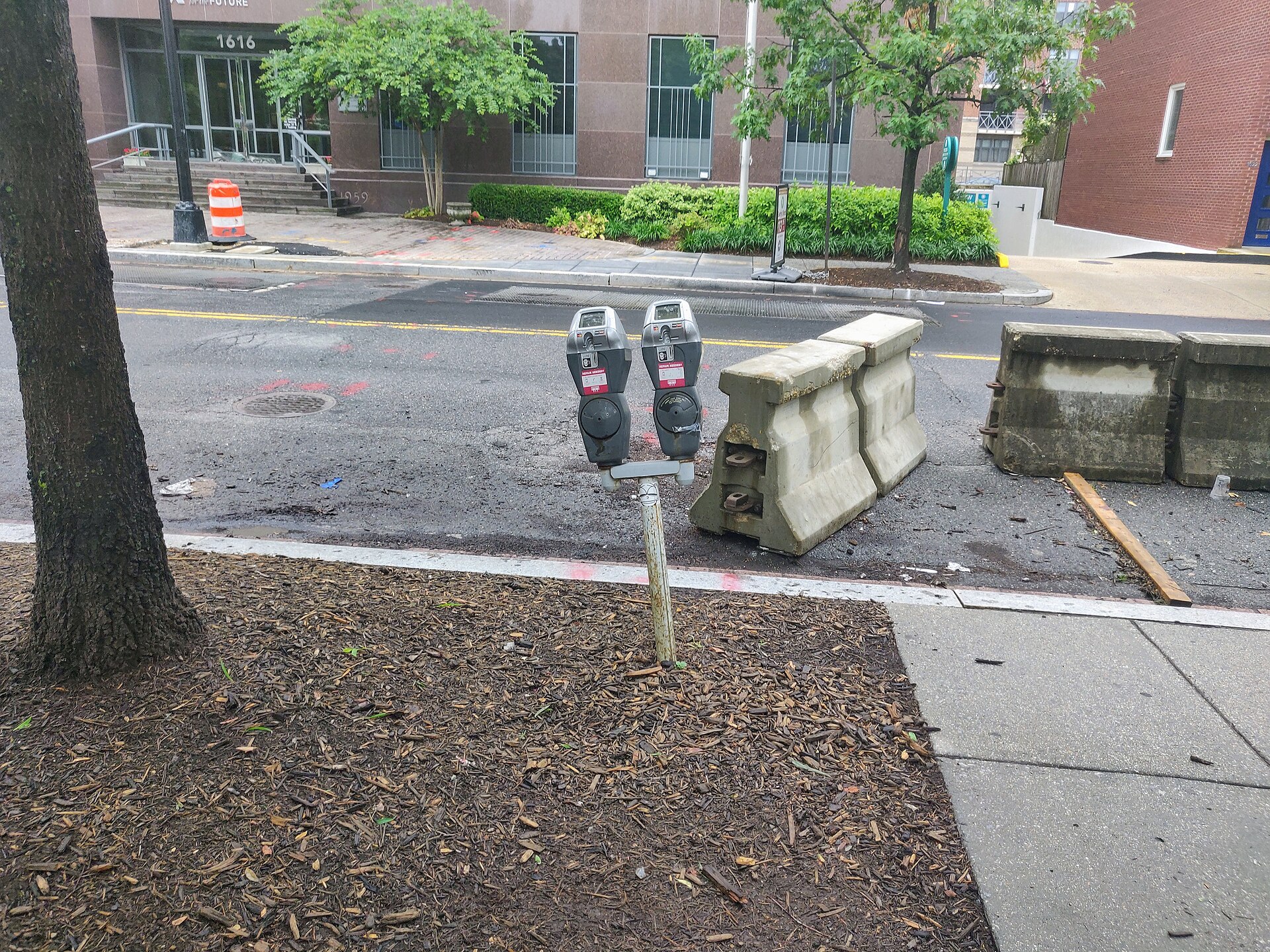
HOLLYWOOD — Feed a meter on Hollywood Boulevard and the quarter you drop does not, as it turns out, stay on Hollywood Boulevard.
Where it goes takes a spreadsheet to answer, and the answer surprises the merchants who assume the money buys them cleaner sidewalks and working streetlights nearby.
According to city budget records reviewed by the Times, the roughly nine thousand metered spaces in the greater Hollywood area brought in a little over eleven million dollars in the last fiscal year — coins, cards, and the app that now takes the largest share. That revenue flows first into a dedicated Special Parking Revenue Fund, a pool that by policy is meant to cover the meters themselves, their maintenance, collection, and related transportation work.
What is left after those costs does not simply return to the blocks that generated it. A portion of the fund is transferred each year to the city’s general fund, where it competes with every other municipal need — a practice budget analysts describe as legal, longstanding, and unpopular with anyone who reads the footnotes.
“People think meter money is a piggy bank for their street. It isn’t, and it was never designed to be,” said Corinne Adebayo, a former city budget analyst who now studies municipal finance. “A meter is a revenue tool. Once the quarter’s in the box, it belongs to the whole city, not the corner it came from.”
For last year, the records show about $3.4 million transferred out of the parking fund to general purposes — money that, by definition, did not go to Hollywood’s sidewalks, signals or the repaving backlog that merchants along the Boulevard complain about most.
That accounting rankles the people who watch the meters fill. “I get a ticket if I’m ninety seconds late feeding it, and the money goes to a fund I’ll never see,” said Hector Balan, who runs a shoe-repair shop off Cahuenga and has, by his own count, contributed generously. “Fix the sidewalk in front of the meter. Start there.”
City officials note that parking-fund dollars do pay for real neighborhood work — meter upgrades, some crosswalk and signal projects, a share of the transportation staff who keep the corridor moving. They also acknowledge that the fund’s biggest single outflow, in a tight year, tends to be the transfer to the general budget.
The council is scheduled to review the parking fund as part of the broader budget this fall. The line most likely to draw questions is the same one it draws every year: the transfer out, listed in the records under a heading as bland as its politics are not — “General Fund Support.”