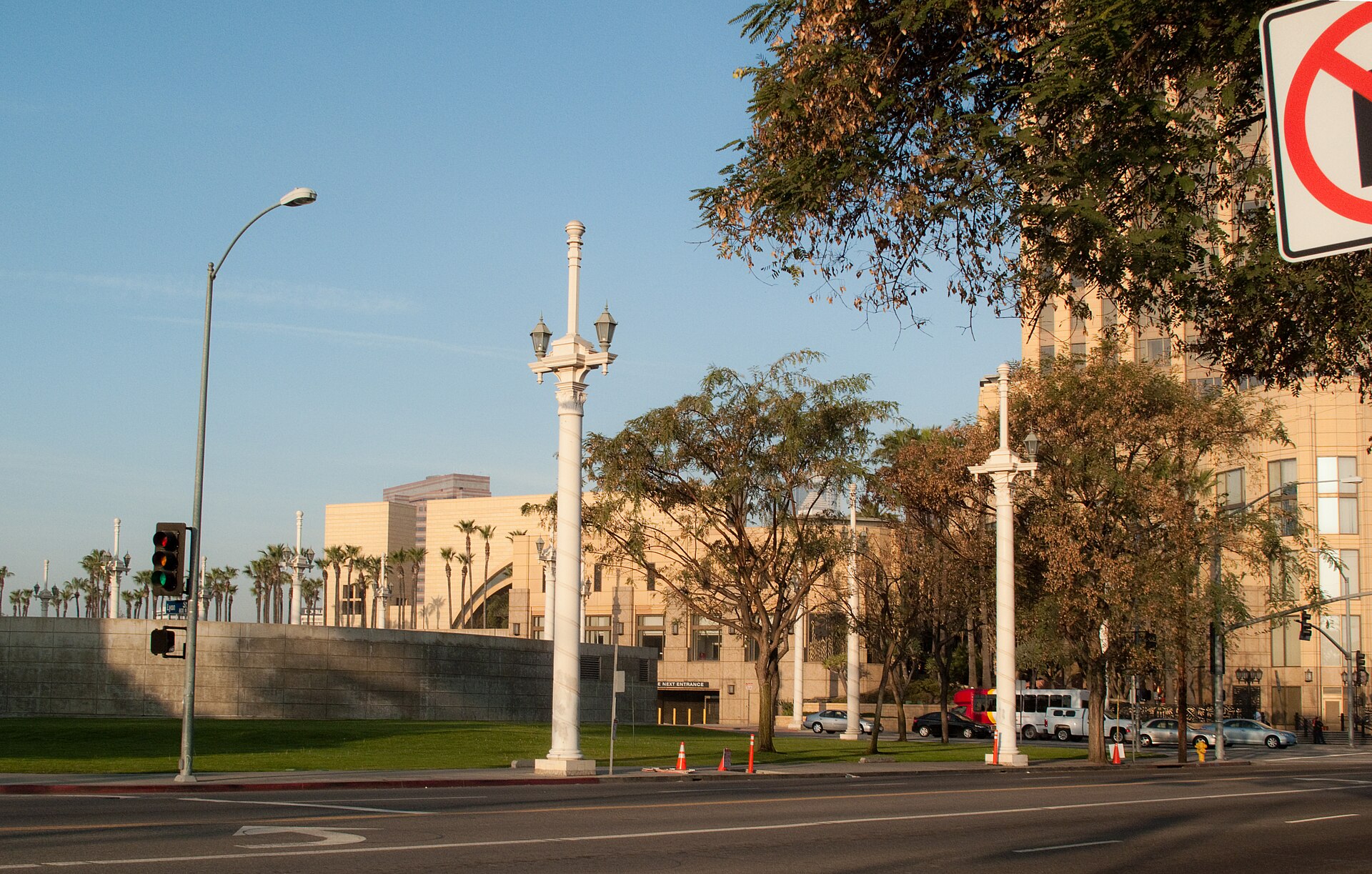
LOS ANGELES — The cast-iron lamp posts that line the older blocks off Hollywood Boulevard were designed a century ago to throw a soft amber pool onto the sidewalk. The city would like them to throw a whiter, cheaper light, and that is where the argument starts.
The Bureau of Street Lighting confirmed this month that its long-running LED conversion, which has already swapped tens of thousands of standard fixtures across Los Angeles, will now reach the ornamental lamps in Hollywood’s historic corridors. The bureau frames the move as overdue arithmetic: the old high-pressure sodium bulbs burn more power, fail more often, and cost more to service than the light-emitting diodes replacing them, which it estimates cut energy use per fixture by more than half.
“We are not touching the poles. The cast iron stays, the scrollwork stays, the historic post stays exactly where it is,” said Marguerite Delacroix, a bureau engineer overseeing the corridor conversion. “What changes is the part inside the globe that nobody can see until it turns on.”
That last part is precisely the objection. Preservationists say the retrofitted lamps, even when fitted with warmer diodes, cast a flatter, cooler light than the amber glow the fixtures were built for, altering the character of streets that were listed as historic in part for how they look after dark.
“The pole is only half the artifact. The light is the other half,” said Warren Ashby, 64, who chairs a neighborhood preservation group in Whitley Heights and has asked the bureau to slow down. “You can keep the beautiful iron and still ruin the thing it was made to do. We are asking them to match the color, not just the shape.”
The bureau says it has heard the complaint before and has a partial answer. For designated historic zones, Delacroix said, crews will install diodes rated at a warmer color temperature — closer to the old sodium tone than the stark white used on ordinary residential streets — and shield the fixtures to cut glare. Whether that satisfies the preservation groups will depend on a set of test installations the bureau plans for a two-block stretch this summer, which residents will be invited to walk at night and judge for themselves.
Cost hangs over the disagreement. The city has budgeted the conversion in part on the maintenance savings it expects, and every historic exception — custom diodes, added shielding, slower installation — trims those savings. A council staffer familiar with the budget said the historic zones amount to a small share of the total fixtures but a large share of the headaches, and that the department would rather settle the light question once than relight the same blocks twice.
The test lamps are due to go live before the end of summer. Ashby said his group intends to be there the first night they switch on, with a camera and a color chart, ready to make its case block by block.