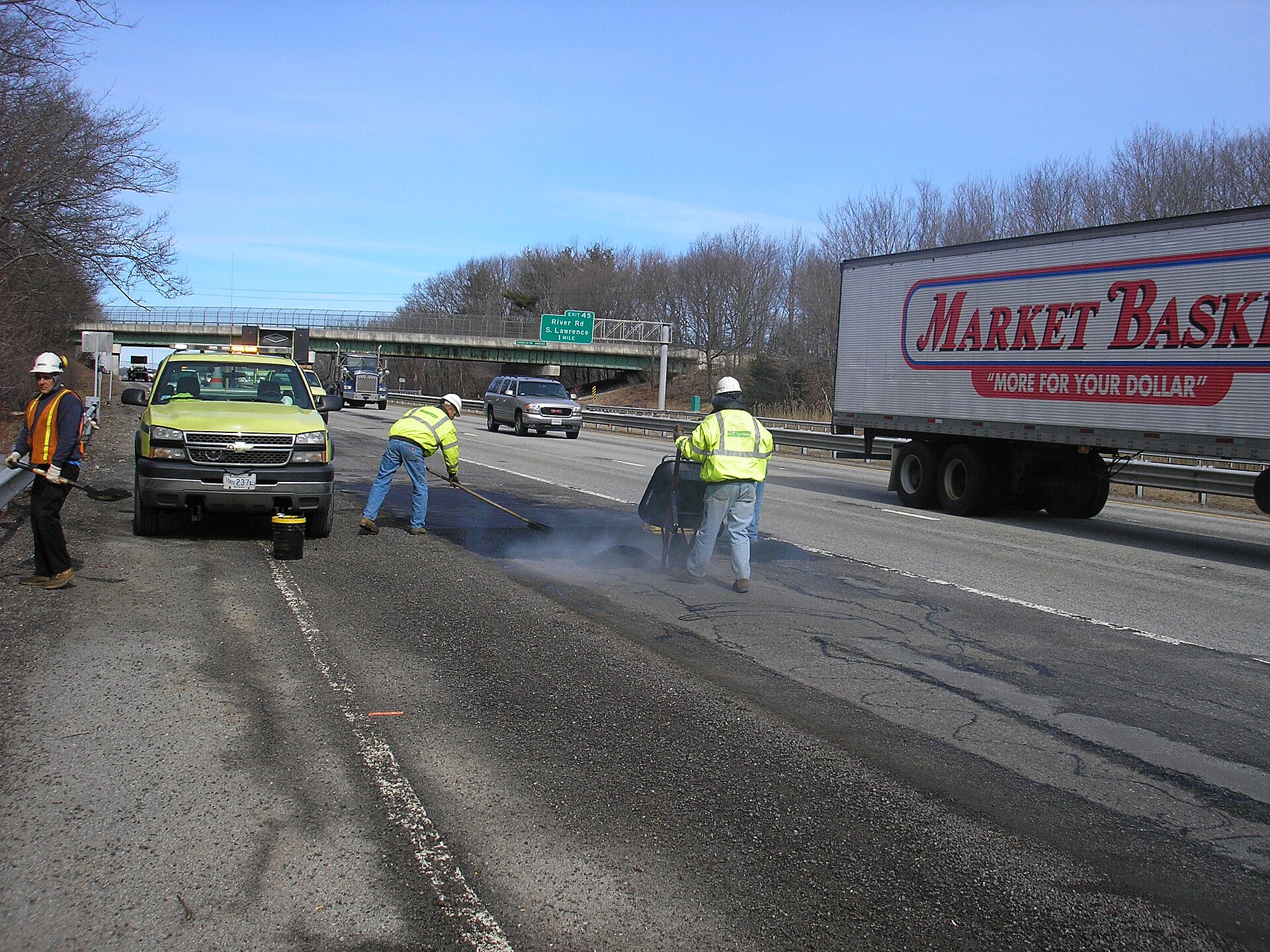
LOS ANGELES — The Bureau of Street Services would like you to know it filled 9,240 potholes in the greater Hollywood district over the past six weeks, a figure it can produce to the day because a tablet in each patch truck logs every one.
The number is the centerpiece of the bureau’s summer pothole blitz, an annual push that concentrates crews and asphalt on the backlog while the weather is dry and the mix cures fast. Officials rolled out the tally this week with the satisfaction of an agency that finally has a metric to point to, and a caveat, delivered in the same breath, that a pothole filled is not a street repaved.
“A blitz buys you a summer. It does not buy you a good road,” said Hollis Okonkwo, a district superintendent for the bureau, standing beside a steaming patch truck on a side street off Sunset. “We are treating symptoms fast because the money for the cure — full resurfacing — moves slower than the potholes do.”
The arithmetic behind the blitz is blunt. A pothole patch costs the city a few dollars and a few minutes; resurfacing a block runs into the tens of thousands and waits in a queue years long. The bureau says its crews this summer worked from a mix of the 311 requests residents file and a truck-mounted survey that flags cracking before it fails, prioritizing arterials that carry buses and the streets around schools.
Residents who track their own blocks are less impressed by the round number. On a residential stretch of Beachwood Drive, a homeowner named Teodora Vasquez, 58, said she has filed the same pothole three times in two years and watched it reopen each rainy season because the underlying street is failing, not the surface. “They fill it, it looks fixed for a month, then it caves again in the same spot,” she said. “You can patch a wound a hundred times. At some point the patient needs surgery.”
Okonkwo does not dispute the point. He said perhaps one in five of the potholes his crews fill sits on a street that genuinely needs resurfacing rather than patching, and that those are the ones most likely to reopen — which means the same holes can appear in next year’s blitz count, filled again, counted again. The tablet, he noted dryly, does not know it has been to that corner before.
The bureau says the blitz will run another two weeks before crews return to their standing routes and the tally freezes for the year. Whether the streets underneath hold through the next wet season is a question the count cannot answer, and Vasquez, for one, has already saved the 311 confirmation number she expects to need again by December.