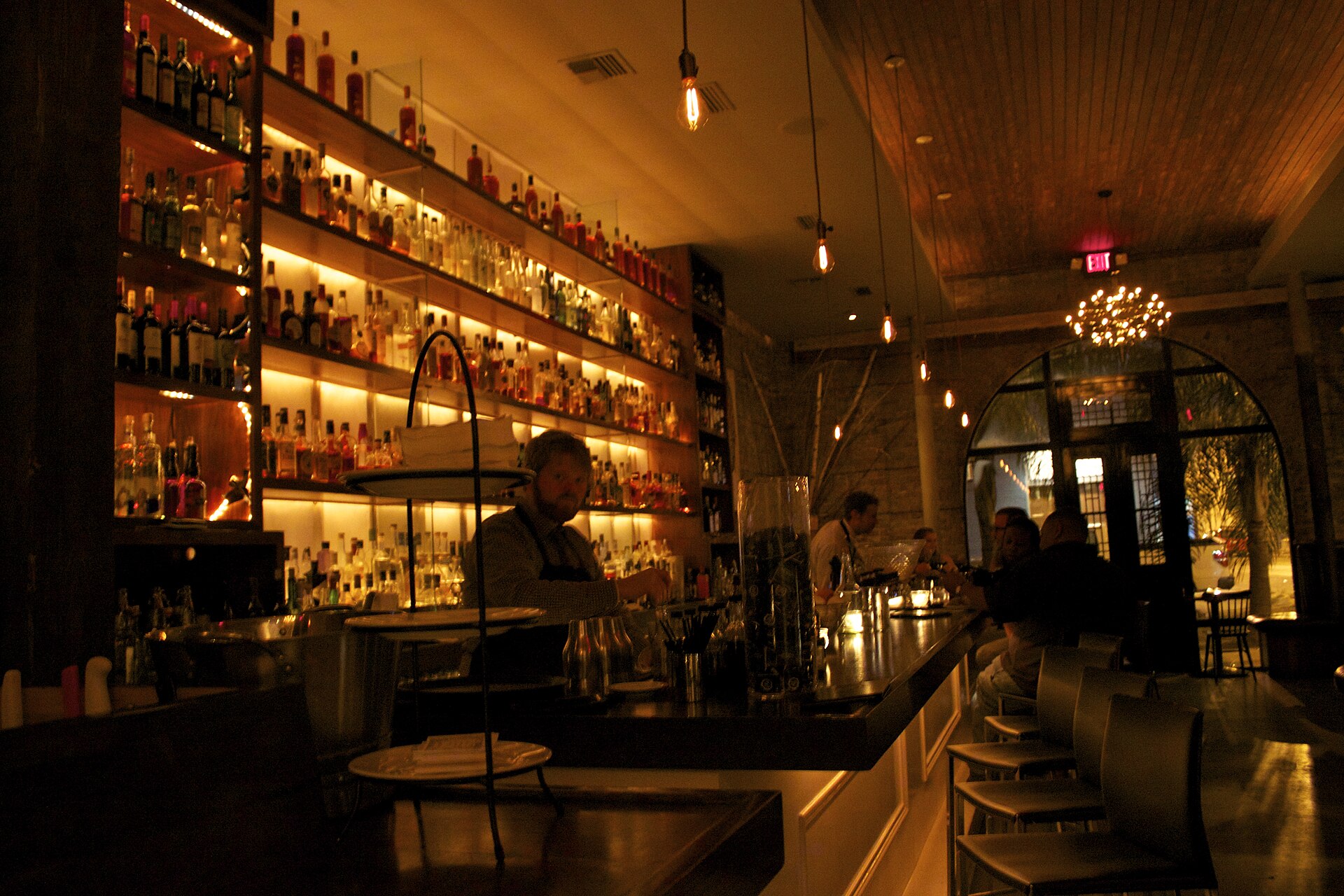
HOLLYWOOD — On a Tuesday night that should have been busier, the bar off Cahuenga held eleven people, and the man behind the counter knew nine of them by name.
“That used to be the good part of the job,” said Dorian Whitlock, who has tended the bar for nine years and bought a share of the place shortly before the pandemic. “Now it’s the worrying part. When the regulars are the whole room, and the regulars are out of work, they make one beer last two hours. You can’t keep the lights on that way.”
The tavern is a narrow, low-lit room with a long shelf of bottles and a few booths against one wall. For most of its life it ran on the film and television workers who drink a short walk from where they edit, mix and light. The pattern held for years. A production wrapped, a crew wandered in, and the night paid for itself. Even between jobs, people came to trade word of what might shoot next.
This autumn the between has gone long. The production slowdown that has quieted soundstages and thinned crew calls across the neighborhood reaches Whitlock as a row of empty stools on the nights that once carried the week.
“I’m a picture editor, or I was until March,” said Reuben Castellanos, 44, nursing the one beer Whitlock had described. “I come in because it’s the closest thing to a job site I’ve got left. You hear who’s staffing up. Lately you mostly hear who isn’t.”
Whitlock has made the small adjustments a small place can make. He stretched the early-evening happy hour by an hour, hoping to catch people before they decide to stay in. He now closes at midnight on Mondays and Tuesdays rather than run to last call for a near-empty room. He dropped two of the pricier pours nobody was ordering and added a cheaper draft.
The receipts still come up short. Whitlock said takings are down roughly a third from two years ago, and that the fall — normally a soft season he could ride into the holidays — never lifted the way it once did.
“December will help. It always helps,” he said. “People have parties, they tip better, they remember they like each other. I can bank a little of that. The question is whether January and February are as long next year as they were this one.”
He is not looking for sympathy, and said so plainly. Bars open and close in this part of town; his has outlasted several. What has changed, he thinks, is the industry that sat at his bar without ever quite being his business.
A little before eleven, two of the eleven settled up and left. Whitlock wiped down their end of the bar and left the stools where they were. “I’ll get a crowd again,” he said. “I’ve seen this room full. I just need the town to go back to work.”