HOLLYWOOD — Duane Cobb’s calendar caught up with the weather in the second week of September, seven weeks after the weather stopped, and he marked the occasion the way he marks most things, by writing a number on the whiteboard in his shop off Cahuenga and not commenting on it.
The number is fifty-eight. That is how many machines in the neighborhood — walk-in coolers, reach-ins, ice machines, the compressor the size of a mailbox that came off a Franklin Avenue diner in August — Mr. Cobb classifies as “July casualties,” units that survived the four days over 100 in July and then failed, or nearly failed, in the five or six weeks after. He worked through the last of them last Tuesday. His schedule, which in August was booked to the third week of September, now has openings in it. So does the schedule of the other contractor who had stopped taking new customers in July; he reopened his books on the first of the month.
“You don’t get told the heat wave is over,” Mr. Cobb said. “You get told by the calendar. The calendar just told me.”
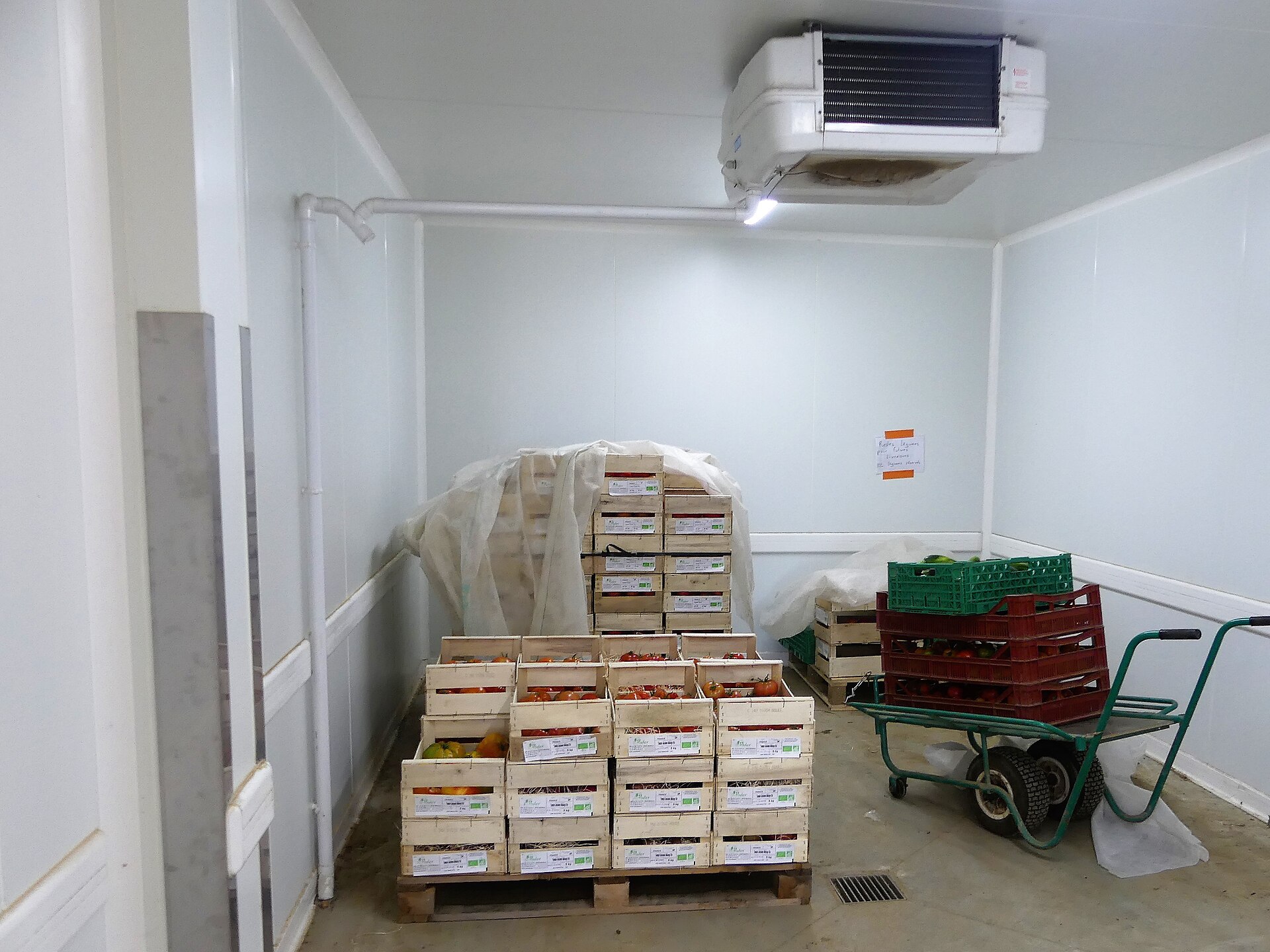
The diner compressor was the Copper Kettle’s, out of a walk-in that dates to a renovation in the nineties and that held through the heat and failed on a mild Sunday in August, on the way home, as its owner put it. The part came on August 13, a day inside the quoted fourteen. Mr. Cobb rebuilt the unit on his bench, reinstalled it that weekend, and Marlene Kessler, the Kettle’s third-generation owner, sent the two rented reach-in units back the following Monday, having spent, she said, “three weeks running a diner out of two very expensive closets.”
“It’s running,” Ms. Kessler said Friday, standing in front of the walk-in with the air of a woman who did not intend to turn her back on it. “I don’t trust it. I have never trusted anything in this building that was running. That’s how the building has stayed open since 1931.”
The lasting change, in Mr. Cobb’s accounting, is on the other side of the ledger. Before July, preventive-maintenance contracts — a scheduled visit twice a year to check refrigerant, clean coils and listen to a compressor before it becomes an emergency — were a business he offered and few restaurants bought. Since the first of August he has signed thirty-one, most of them with owners who lost product in July and have done the arithmetic on a service visit against a walk-in full of spoiled meat.
“For twenty-six years I’ve told people it’s cheaper to look at the machine than to bury it,” he said. “It took four days at a hundred and four to make the argument for me. I’d have preferred to keep making it myself.”
The contracts are also why he has done a thing he last did in 2017. In August he hired an apprentice, Yesenia Portillo, 22, out of a trade program in the Valley, who spent her first three weeks carrying the tools and her fourth rebuilding a reach-in compressor on the bench while he watched and said, she reported, “nothing, for forty minutes, which I now understand was praise.”
“I can’t do thirty-one maintenance rounds and the emergencies alone,” Mr. Cobb said. “I’ve been alone since the last one left for a union job. She’s good. She’ll leave for a union job too. That’s fine. That’s what the bench is for.”
The neighborhood got one reminder of July on September 10, when the temperature reached 97 for a single afternoon. Mr. Cobb’s phone, which on the worst weekend of the heat wave took thirty-one emergency calls, took two, neither an emergency. He described the day as “a drill.” The other contractor described it as “a drill that I passed and would rather not have taken.”
Ms. Kessler passed it too. She checked the walk-in’s thermometer four times that afternoon and once, she admitted, at eleven at night, from home, by calling the dishwasher.
“Thirty-four degrees,” she said. “It’s fine. I’m not saying it’s fine. I’m saying the thermometer said thirty-four.”