HOLLYWOOD — The menu at the Copper Kettle is typed, mimeographed, and, most notably, made of paper — a fact its owner will defend to anyone who suggests, as people occasionally do, that she laminate it.
“You laminate a menu, you’re telling people nothing here is ever going to change,” said Marlene Kessler, 68, whose grandmother opened the diner on this corner of Franklin Avenue in 1931 and whose family has run it, without interruption, ever since. “The prices change. The specials change. My back changes daily. The paper’s honest about all of it.”
The Copper Kettle turned ninety-five this month, an anniversary it observed the way it observes everything, which is to say by opening at six and putting the coffee on. There was pie, but there is always pie. A hand-cut sign taped inside the door read 95 YEARS, THANK YOU, in the same block lettering the specials board has used for as long as anyone can remember.
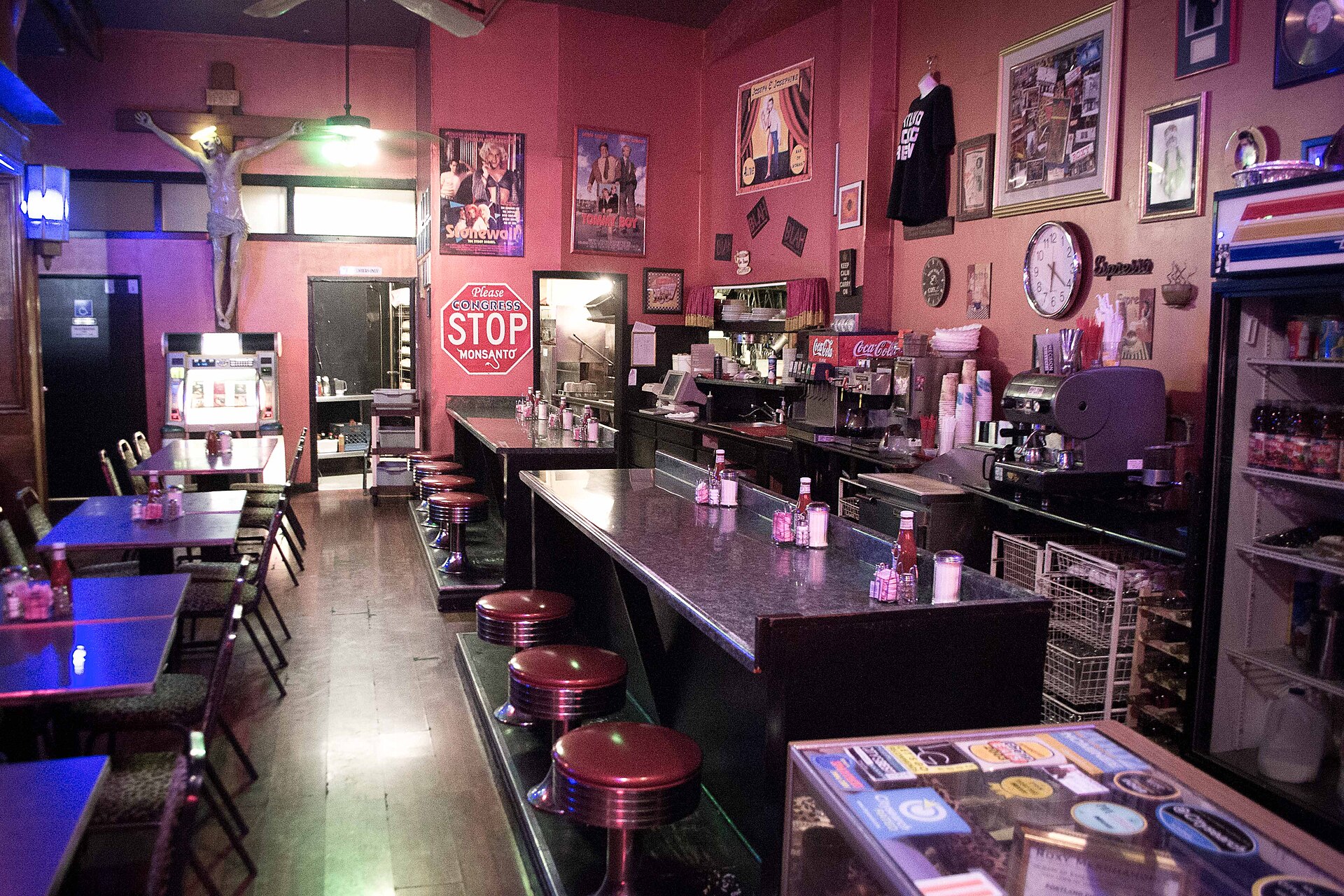
The room has resisted the century with a stubbornness that reads, depending on the customer, as either neglect or devotion. The counter stools have been reupholstered but never moved. The coffee is bottomless and unfashionable and served in cups the color of a dental office. A framed photograph behind the register shows the founder in 1931, arms crossed in front of the same window, looking as though she suspected the future of exactly what it turned out to be.
The regulars anchor the place more than the fixtures do. Harold Prewitt, 84, has taken the second stool from the end most mornings for thirty years, orders eggs he does not need to name, and reads a paper newspaper, which he holds up as further evidence that not everything must glow. “I outlived two doctors who told me to quit the bacon,” he said. “The bacon’s still here. So am I.”
The waitress working the counter, Renata Salcedo, has been at the Kettle nineteen years, long enough that she pours before regulars sit and knows which booths to seat the tourists in so the regulars aren’t disturbed. She has watched the block around her turn over — a bank became a bar, a bar became a boutique, a boutique became empty and then a bar again — while the Kettle simply kept the lights on.
Kessler is candid that ninety-five is not a guarantee of ninety-six. Rents on the block have climbed, her lease is not forever, and none of her nieces and nephews have volunteered to take up the spatula. She has fielded offers from people who wanted to buy the name and franchise the feeling, and turned them down with the same phrase each time: “You can’t franchise a place. You can only wear one out slowly, the right way.”
At the close of the anniversary morning, the last slice of pie went to Prewitt, who did not order it and did not object. Kessler wiped down the paper menu, still legible, still unlaminated, and set it back in the rack for tomorrow.