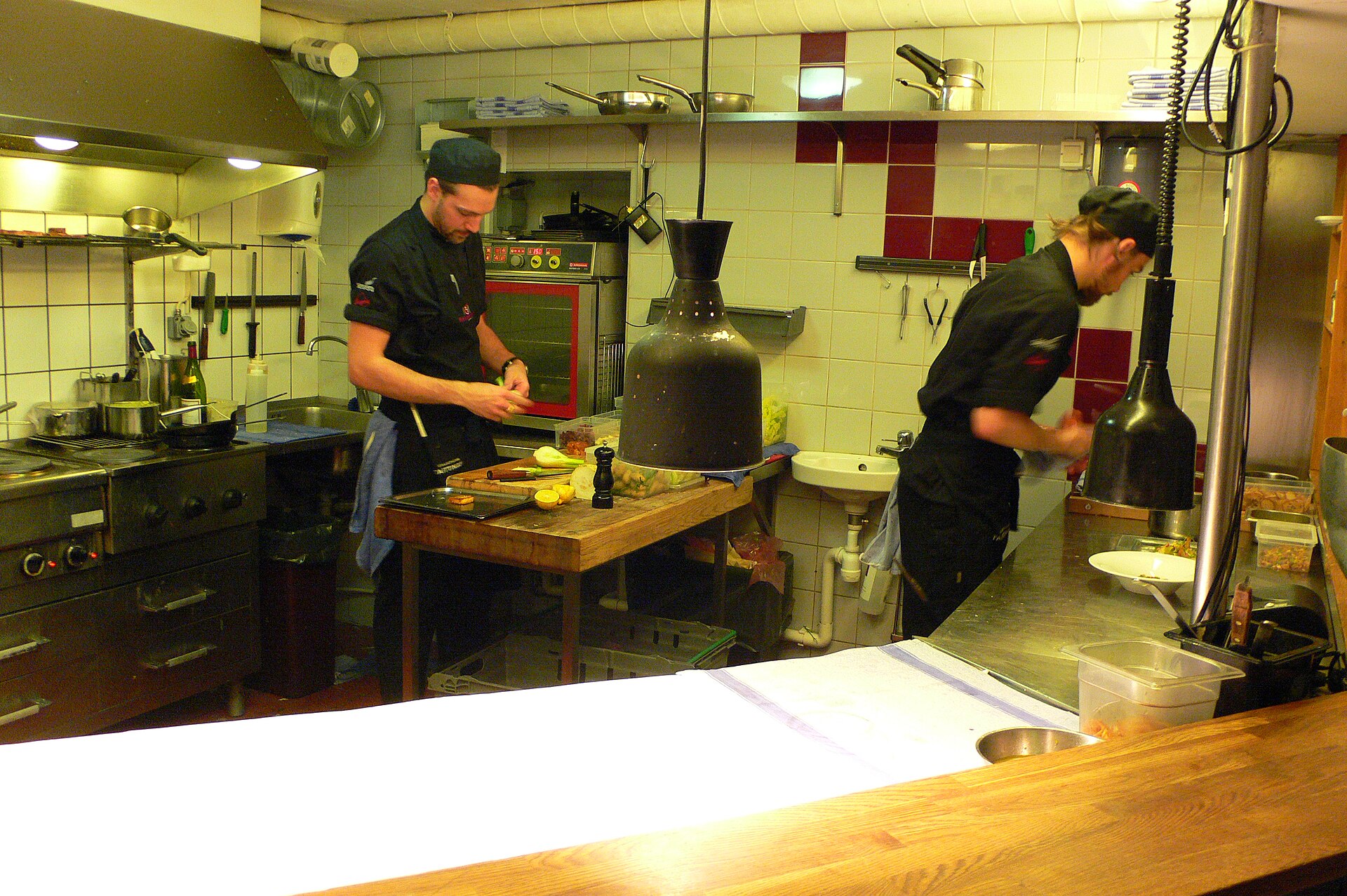
HOLLYWOOD — On the afternoon of a big awards telecast, the kitchen behind Ambrose Deitch’s small catering company runs like a factory with the lights turned up: forty trays of the same three dishes, coolers stacked to the ceiling, two vans idling out back waiting to sprint to watch parties across the hills before the red carpet even begins.
“This one night pays for a slow April, a slow May and half of June,” Deitch said, taping a lid onto a tray without looking at it. “People see the season on television and think glamour. From in here it’s logistics. It’s whether the van gets over the pass before the streets close.”
For the neighborhood’s independent caterers and private chefs, the winter awards stretch is the financial spine of the year. From the new year through the end of February, the industry throws parties — nomination breakfasts, screening receptions, viewing parties for the big broadcasts, the after-parties that run past two in the morning — and most of them need someone to cook, plate and clean up. The work is grueling, seasonal and, for the small operators who can land it, disproportionately lucrative.
It also arrives, this year, as a rare bright patch. The production slump that has hollowed out the neighborhood’s film and television work for months has hit caterers as hard as anyone. The catering that once came steadily from working sets — the daily crew meals, the wrap parties, the location lunches — has largely dried up. What remains is feast and famine, and the feast is these six weeks.
“Two years ago I fed crews four days a week, every week, all year,” said Marisol Echeverría, who runs a two-van operation and hires temporary staff for the rush. “That’s gone. The shows aren’t shooting here like they were. So now the whole year is bent around February. If I have a bad awards season, I don’t have a fallback. There’s no set to cater on Monday.”
The seasonal spike ripples outward. Caterers hire back dishwashers and drivers they had let go. Rental companies move mountains of chairs and chafing dishes. Florists, valets and the temp waitstaff who work the parties all draw a check from the same few weeks. For a slice of the neighborhood’s service economy, awards season is less a spectacle than a payroll.
The dependence worries the people living on it. A business that earns a third of its money in six weeks is a business one bad winter away from trouble, and the operators know it. Several said they were trying to build steadier work the rest of the year — corporate lunches, private dinners, anything not tied to a production calendar that has stopped cooperating.
For now, they cook. Deitch’s second van pulled out around four, threading toward a party in the hills with the trays strapped down in back. He watched it go, then turned back to the trays still waiting, with the flat calm of a man who has done this every February for a decade and will judge how the year went sometime around March.