HOLLYWOOD — The gate came off its chain at seven in the morning, an hour before the posted time, because the man with the bolt cutters worked for the contractor and the crowd at the fence had asked him nicely.
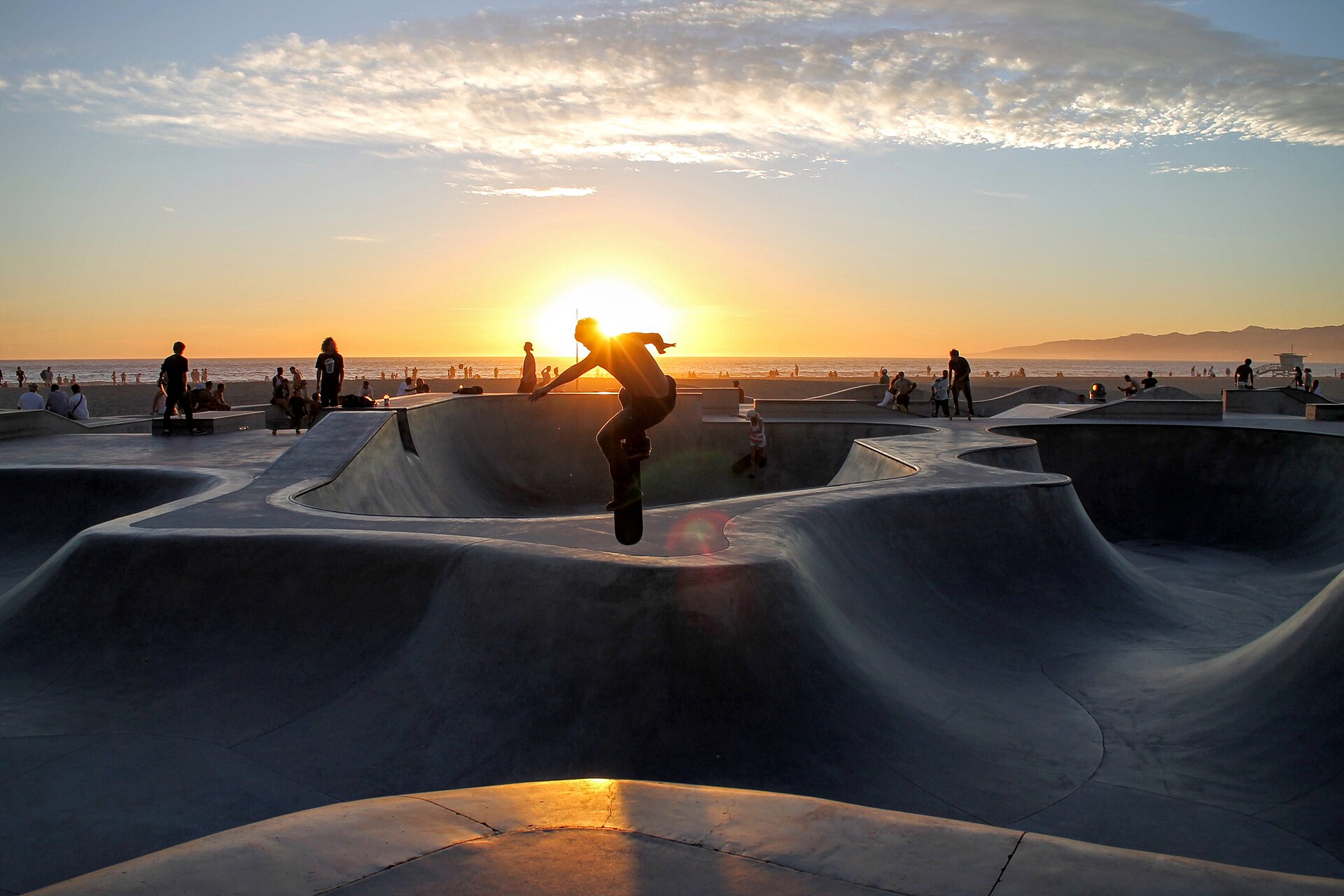
The skate park beneath the 101 freeway opened on Saturday — a concrete plaza of ledges, banks and a shallow bowl set into the shade of the overpass, eleven years after the city first promised it to a neighborhood that had largely given up expecting it. The delays had become their own local joke: funding that appeared and evaporated, a drainage problem, an environmental review, and a stretch when the plans sat untouched long enough that the original organizers’ children had outgrown skateboards.
The first person through the gate was not a child. It was Gil Marchetti, 39, who skated the same patch of ground when it was a cracked and fenced-off lot the city used to store barricades, and who had shown up to enough community meetings over the years that a parks staffer greeted him by name. By unspoken agreement the small crowd let him take the first run at the bowl. He dropped in, rode it once around, climbed out, and said nothing for a moment.
“I brought my kid, and I realized I’ve been coming to meetings about this since before he was born,” Marchetti said. “Eleven years. I stopped thinking it was real. Then last month the concrete trucks showed up, and I still didn’t believe it until right now.”
By nine the park held perhaps sixty people: teenagers filming one another, a scattering of grade-schoolers on scooters their parents steered toward the shallow end, and a knot of older skaters comparing the finished plaza against the renderings they remembered. The design leans beginner-friendly — long ledges, gentle banks, a bowl shallow enough to learn in — a choice the city made, a project manager said, after residents asked for something the whole block could use rather than a park built only for experts.
Not everyone at the fence was celebrating. A few neighbors from the apartments across the street came to look with visible reservations, asking the parks staff about the hours and the new lights, which are set to stay on until the park closes at ten. One woman said she was glad the lot was finally something and worried, in the same breath, about the sound of wheels on concrete carrying up to her windows after dark. The staffer wrote her name down and promised a follow-up.
The overpass, it turned out, does a favor no one had counted on. The concrete deck overhead throws the midday sun off the plaza, and it flattens the roar of the freeway into a steady wash that the skaters stopped hearing within minutes.
By late afternoon the bowl had its first scars, dark streaks of wheel rubber that will only multiply. Marchetti’s son, seven and unsteady, spent the day on the flattest corner of the plaza, and left with a scraped elbow he held up to his father like a receipt.