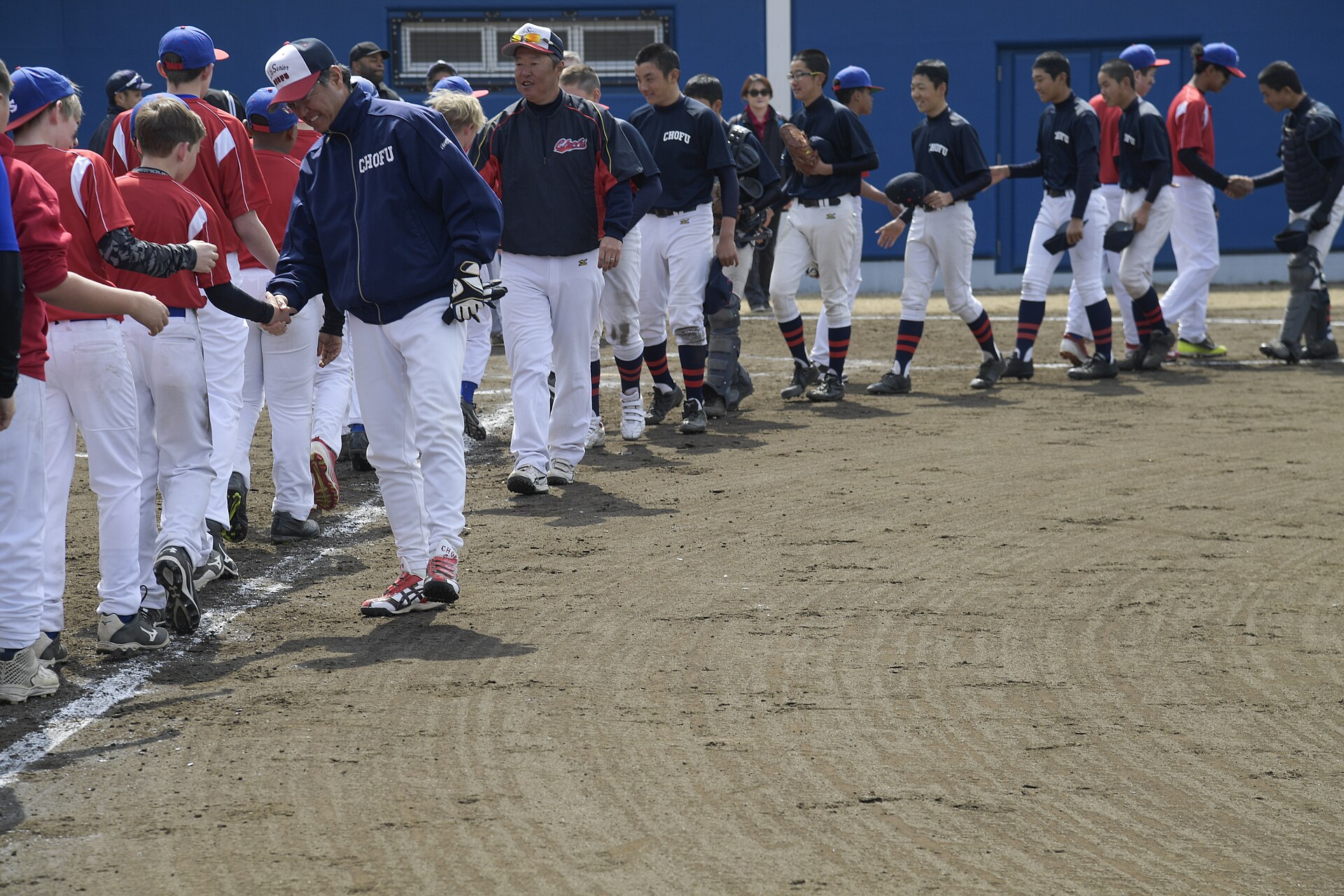
HOLLYWOOD — The smallest players lined the third-base fence on Saturday morning in caps a size too big, and the man who runs the league counted them the way he counts everything this time of year: with relief, and with the quieter arithmetic of whether he had enough grown-ups to go around.
The Hollywood-area youth baseball league opened its spring season on the recreation-center diamonds in the flats below the hills with more children enrolled than it has seen in five years and fewer coaches than it needs to field them. Sign-ups passed 320 this spring, said Gil Ferrante, the league’s volunteer president, a rebound from the hollowed-out rosters of the pandemic years. The number of parents willing to run a weekday practice, he said, did not rebound with it.
“I can find you three hundred kids who want to play. I cannot always find you the one adult who will stand at a practice on a Tuesday and throw batting practice until his arm falls off,” Ferrante said, watching a coach try to arrange nine seven-year-olds into something resembling a defense. “Every year it’s the same shortage, and it’s not gloves or bats. It’s Tuesdays.”
A few teams took the field Saturday still short a manager, run for now by a parent who had agreed to help out in February and found the job growing under him. Delia Marchetti, whose son plays in the coach-pitch division, arrived as a scorekeeper and is now, by a process she cannot fully reconstruct, an assistant coach for two teams. “I raised my hand once,” she said. “Apparently that’s a binding contract.”
The league runs on the same thin margin as most volunteer operations: a handful of people doing most of the work, a treasury that covers uniforms and umpires with little to spare, and a constant hunt for the next parent willing to be talked into more than they meant to give. Umpires are their own crisis. The league lost several older ones during the shutdown and has not replaced them, so games in the lower divisions are often called by teenagers, or by whichever coach is not currently arguing the call.
None of it was visible from the stands on opening morning, where the mood was the uncomplicated kind. A recorded anthem played through a speaker somebody’s cousin had wired to a car battery. The youngest division took the field in a loose migration toward the ball rather than their positions. A boy listed on the roster only as Mateo, age six, came up for the first at-bat of his life, swung at three pitches he could not have reached with a ladder, and ran to first anyway when the fourth got past the catcher, beaming as though he had solved the game.
Ferrante watched from behind the backstop and allowed himself a moment before the worrying resumed. He had teams on the field, kids in uniform, and a season in front of him. He also had two rosters without a manager and a stack of registration forms still coming in, which meant that opening day, for him, was less a finish line than a receipt for work already owed.