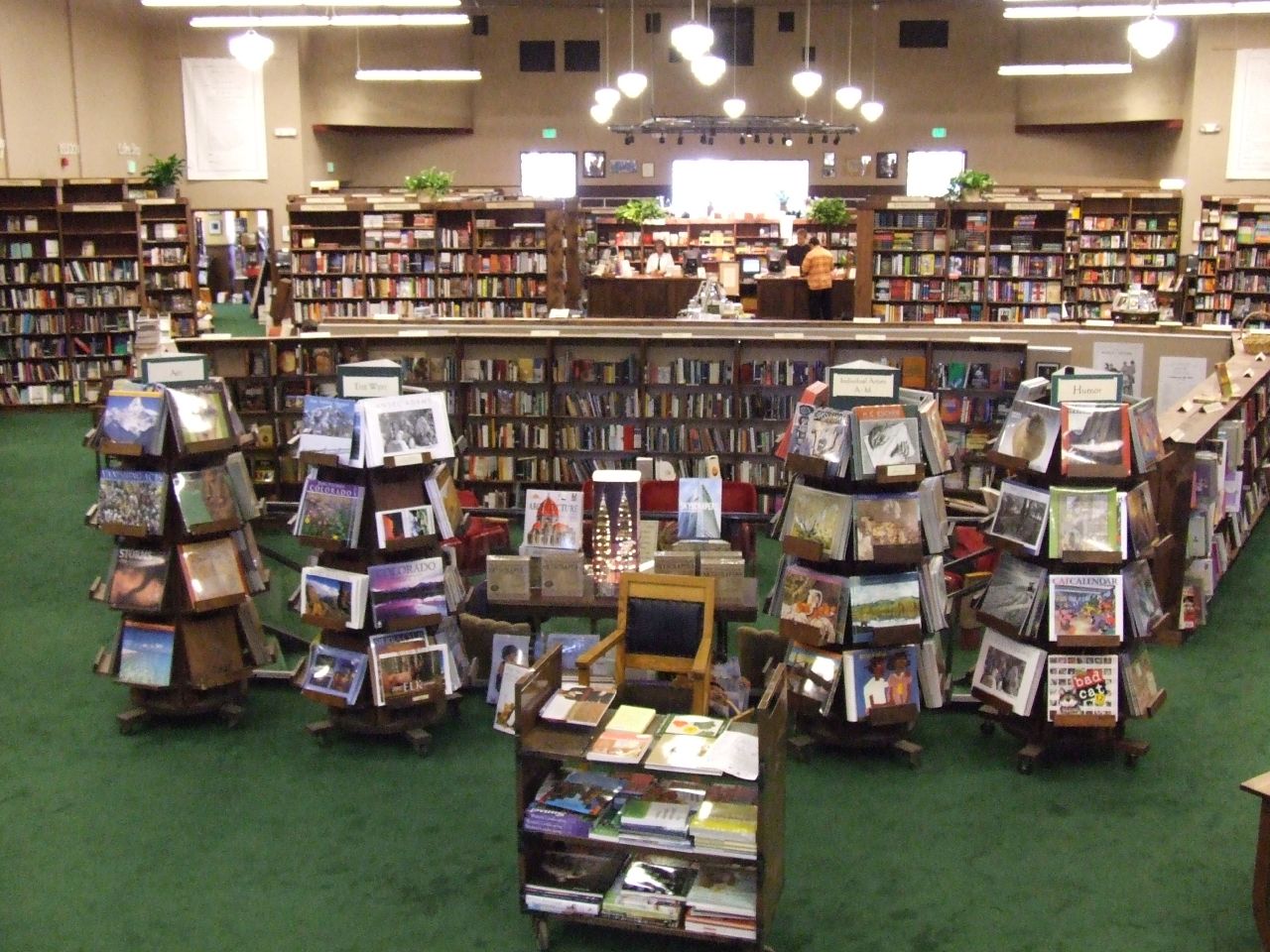
HOLLYWOOD — Harold Bettancourt believed that a bookshop should be slightly overwhelming, that a customer ought to feel a little lost among the shelves, because being lost was how you found the book you did not know you wanted. For nearly fifty years, in a crowded storefront off Hollywood Boulevard, he made sure of it.
Mr. Bettancourt, who ran one of the neighborhood’s last general used bookstores, died March 16 at his home in East Hollywood. He was 83. A longtime employee said he had died in his sleep after closing the shop himself the evening before, as he had most evenings for half a century.
The store was famous, in a small way, for its density. Books ran floor to ceiling and then continued in stacks on the floor, organized by a system Mr. Bettancourt insisted was rigorous and everyone else found baffling. He knew where everything was regardless. Ask for an out-of-print screenplay or a forgotten novel and he would disappear into the maze and return, more often than not, holding it.
“He carried the entire inventory in his head, and he refused to computerize any of it, on principle,” said Neema Farahani, who worked at the shop for eleven years. “He said a catalog would ruin the surprise. He wasn’t running a warehouse. He was running a place where you were supposed to wander.”
Harold Bettancourt was born in 1942 in Providence, Rhode Island, and came west in his twenties with a vague plan to write, which the bookstore quietly replaced. He opened the shop in the 1970s with money borrowed from an uncle and never moved it, riding out every wave that was supposed to finish stores like his — the chains, then the malls, then the internet, then the rents.
He survived, he liked to say, by being unprofitable in a disciplined way. He bought entire estates of books for pennies, priced generously, and made just enough to keep the lights on and the cat fed. The cat, a succession of them over the decades all named Dewey, held unofficial authority over the front counter.
The shop became a kind of refuge for a certain sort of person: the retired projectionist killing an afternoon, the film student hunting a screenplay, the neighborhood insomniac who knew Mr. Bettancourt kept the door open late. He let people read without buying. He steered strangers to books he thought they needed, sometimes correctly.
“He sold me the book that made me a writer, and then he wouldn’t take my money for it,” said Darnell Cofaxton, a novelist who grew up nearby. “He said I could pay him back by writing something worth shelving. I’ve spent thirty years trying to.”
The store’s future is uncertain; the family said no decision had been made about the lease or the enormous inventory inside it. Mr. Bettancourt is survived by a sister in Rhode Island and, his staff noted, by the current Dewey, who spent the day after his death asleep in the window as usual, waiting on a counter no one had yet come to open.