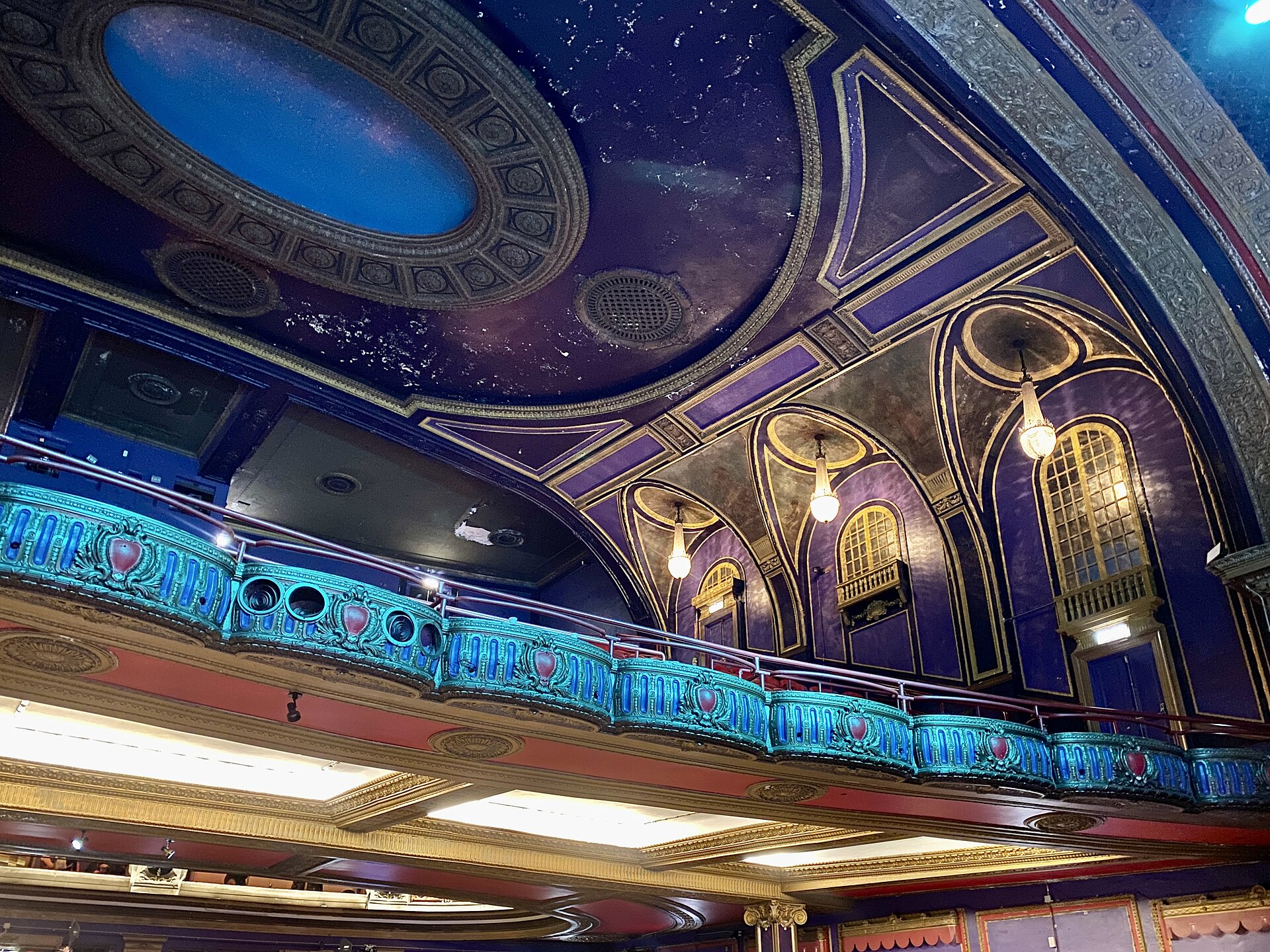
HOLLYWOOD — On a Tuesday night in June, the line for a fifty-year-old movie stretched from the box office of the Rosewood, down Cahuenga, and around the corner, made up largely of people who had not been born when the film first came out.
The scene is no longer a novelty. Across Hollywood’s cluster of revival and repertory houses, attendance has climbed for the fourth straight year, according to programmers who compare notes over the kind of numbers that were, not long ago, cause for a wake. Sold-out shows for movies decades old, once the exception, have become the business model.
“We thought we were running a museum. It turns out we’re running a nightclub for people who want to sit in the dark and not look at their phones,” said Cass Wexler, 38, who programs the Rosewood and, three nights a week, still climbs to the booth to run the show. On this night that meant a 35-millimeter print with a reel change she executed without the audience noticing, which is the entire art of it.
The revival boom has an odd choke point: the projectors. Digital projection is easy and everywhere, but the surge in demand is for film — actual celluloid, in 35 and, for the true occasions, 70 millimeter — and the number of people who can load, focus, splice and babysit a film projector for two hours without incident has dwindled to a small, aging, heavily booked guild.
“There are maybe a dozen of us in this town you’d trust with a rare print, and half of them should have retired,” said Wexler, who learned the craft as a teenager from a projectionist who has since died. She now spends her weekends teaching two apprentices, because, she said, “the alternative is that in ten years we have the films and nobody who can run them.”
Programmers describe a scheduling scramble every time a studio archive or private collector lends out a fragile print. A projectionist must be booked weeks ahead, the reels inspected foot by foot for tears and shrinkage, the booth’s lamp and gate checked against a format that hasn’t been manufactured at scale in years. When it works, the audience sees a warmth and depth of image that no file quite matches, and does not think about the labor at all, which is the point.
What draws the crowds is harder to pin down than nostalgia. Wexler’s audiences skew young, and many are seeing these films for the first time, on the big screen, the way they were built to be seen. The communal hush, the shared laugh, the collective flinch — none of it survives a laptop.
At the end of the reel change, the picture never wavered. In the booth, Wexler leaned against the humming projector and watched the beam cut across the smoke of a hundred years of dust. “People keep asking if this is a fad,” she said. “The film’s older than all of us. It’s not going anywhere. The question is whether we are.”