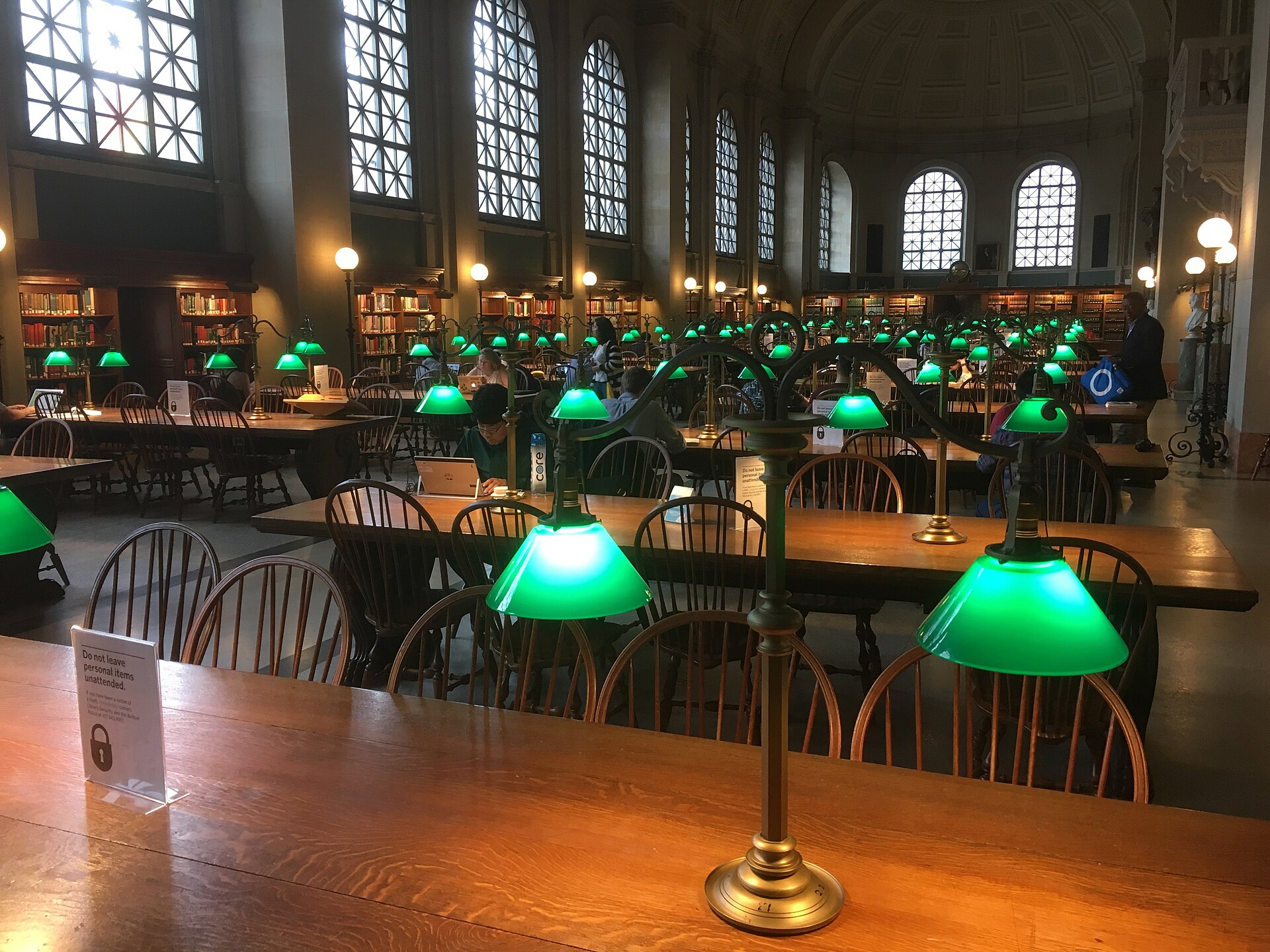
HOLLYWOOD — The last patrons filed out of the Hollywood library’s main reading room on Friday afternoon, some of them slowly, and a librarian locked the tall doors behind them for what the city says will be about fifteen months.
The 1920s reading room on Ivar Avenue — a high-ceilinged space of oak tables, green-shaded lamps and arched windows that has served students, screenwriters and people with nowhere warmer to go — closed this week for a seismic retrofit meant to keep the old building standing through a major earthquake. Library officials expect the room to reopen in the spring of 2026, and allow, without enthusiasm, that a project of this kind can run longer.
The work is the invisible kind. Engineers plan to thread steel bracing inside the original walls and set part of the ground floor on isolators that let the building sway rather than crack. The plaster ceiling will be documented, taken down and put back. Nothing about the room, when it reopens, is supposed to look different, which is part of why some regulars have trouble seeing the point.
“They keep saying it’s for the earthquake. I understand the earthquake,” said Wendell Aoki, 71, who has read the morning papers at the same table for the better part of a decade and now expects to spend a year and a half not doing so. “I just don’t have another room like this one. My apartment is small and my building is loud. This was the quiet.”
During the closure, the branch will keep its other services running — the public computers, the children’s section, the reference desk — from the parts of the building that stay open. Reading-room regulars are being pointed toward folding tables set up in a ground-floor multipurpose room, an arrangement the branch manager described as “honest about what it is,” which is to say temporary and not the same.
The retrofit is one of several the city library system has scheduled across older branches, part of a long effort to bring the buildings up to current seismic standards before the ground decides the timeline instead. The Hollywood branch, built in the 1920s and expanded since, had been flagged for years.
Staff spent the final week helping regulars relocate their routines and fielding the same question in different forms: where does everyone go now. There is no single answer. Some will use other branches. Some will find a coffee shop and pay for the privilege of a table. A few, the manager suspected, will simply stop coming, and might not come back when the doors reopen, habits being easier to break than to rebuild.
On Friday, a man who had been coming to the room since it had a working card catalog stood in the doorway and looked at the covered tables for a moment before he left. He did not say anything memorable. He put on his hat, nodded to the librarian, and went out into the December afternoon, and the lights over the reading tables went off behind him one bank at a time.