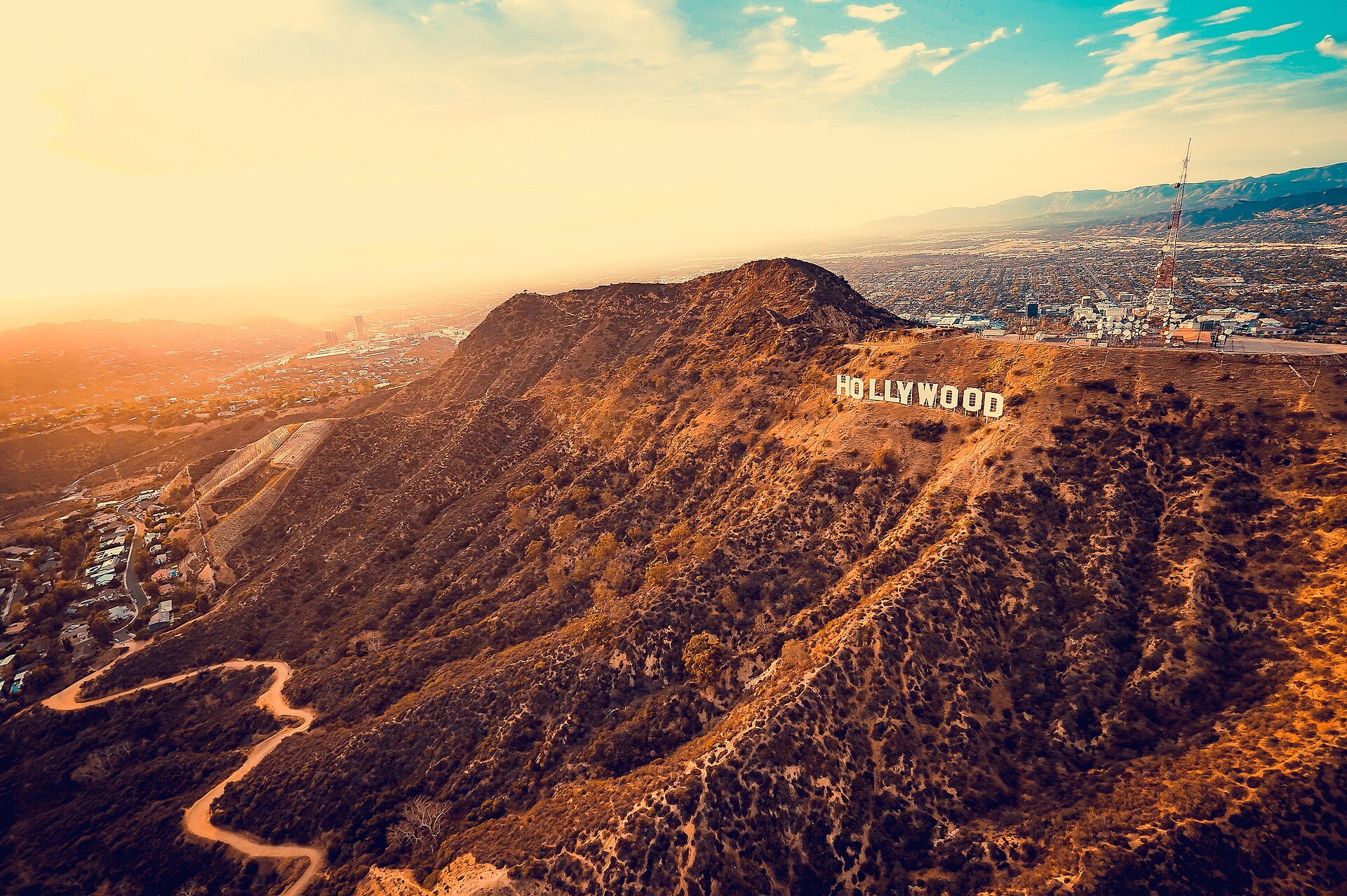
HOLLYWOOD — I have cleared brush on these hillsides for nineteen summers. Four men, two trucks, rope when the slope needs it. Between June and October we work six days a week and turn away more jobs than we take.
Your newspaper wrote last week about the inspectors walking the canyon streets with a tape measure. I know most of those men. They are doing the job right and they are the least of your problems. I want to tell you what my crew actually finds when we get behind a house, because it is not brush, and because the people who own these houses are almost never up there to see it.
Start with what is stored on the slope. Firewood, stacked against the back wall of the house, seasoned dry for years, because that is where the previous owner put it and nobody ever moved it. Wooden pallets — I do not know why there are always pallets, but there are always pallets. Propane tanks for the barbecue, two or three of them, one empty and two not, and the homeowner will tell you they are empty and they will be wrong. Plastic bins of Christmas decorations under the deck. A dead couch. Twice this summer, a mattress.
None of that is vegetation, so none of it is on the notice. All of it will burn, and most of it will burn hotter and longer than the chaparral we came to cut.
Then there is the deck. I want to say this carefully because I am not an engineer and I do not want to frighten anyone into work they cannot afford. But a wooden deck on posts over a slope is a chimney. Everything that gathers underneath it — leaves, needles, the dry stuff that blows in every winter and nobody sweeps because you cannot reach it — sits in the exact place where a fire coming uphill will find it. When people ask me what one thing they should do, I do not say clear the brush. I say get under your deck.
The third thing, and the one I have stopped arguing about, is the palm trees.
An unskirted palm — one where the dead fronds hang down in a brown collar under the green — is a torch on a stick, and it throws. I do not mean it catches. I mean it throws burning material out and up, on the wind, into somebody else’s yard three houses along. I have watched it in a controlled burn and I never needed to see it twice. It costs a few hundred dollars to skirt a palm. I have had a homeowner tell me she preferred the way it looked and I have written it up and moved on, because it is her tree and her money. It is not only her house.
Now the part that will make people unhappy with me.
The notices go out and the deadlines come and the city hires a contractor if you do not, and puts the bill on your taxes. Everybody hates that system. I hate that system, because the city’s contractor is often me, and I would rather be hired by a person than sent by an ordinance. But I understand why it exists. I have also seen what the system does to somebody on a fixed income. A steep lot here cannot be cleared without rope training and insurance, and that is $3,000 and up before anybody has cut anything. I have quoted a woman in her seventies a fair price that she could not pay, and she was not careless, she was 71.
So here is what I would say to the city, since your paper is asking. Stop pretending the notice is a plan. The notice is a measurement. A plan would be a subsidy or a crew for the people on those streets who cannot physically or financially do what the notice requires — and it would be cheaper than one engine company on one bad night. The canyon association’s chipper days are the closest thing to a real plan up here and they are two Saturdays a summer, organized by neighbors, with a rented truck.
And here is what I would say to the people whose houses I work behind. Come up with me once. Ten minutes. Not to supervise — I do not need supervising — but because you have lived here fifteen years and you have never stood at the top of your own lot and looked down at your house the way a fire would.
Everybody who does it says the same thing, and they all say it in the same tone, and after nineteen summers I can predict the sentence before it arrives.
They say: I did not know it was like this back here.
Teodoro Balmaceda operates a brush-clearance crew that works the Hollywood and Los Feliz hillsides. This column was told to a Times reporter and edited for length.