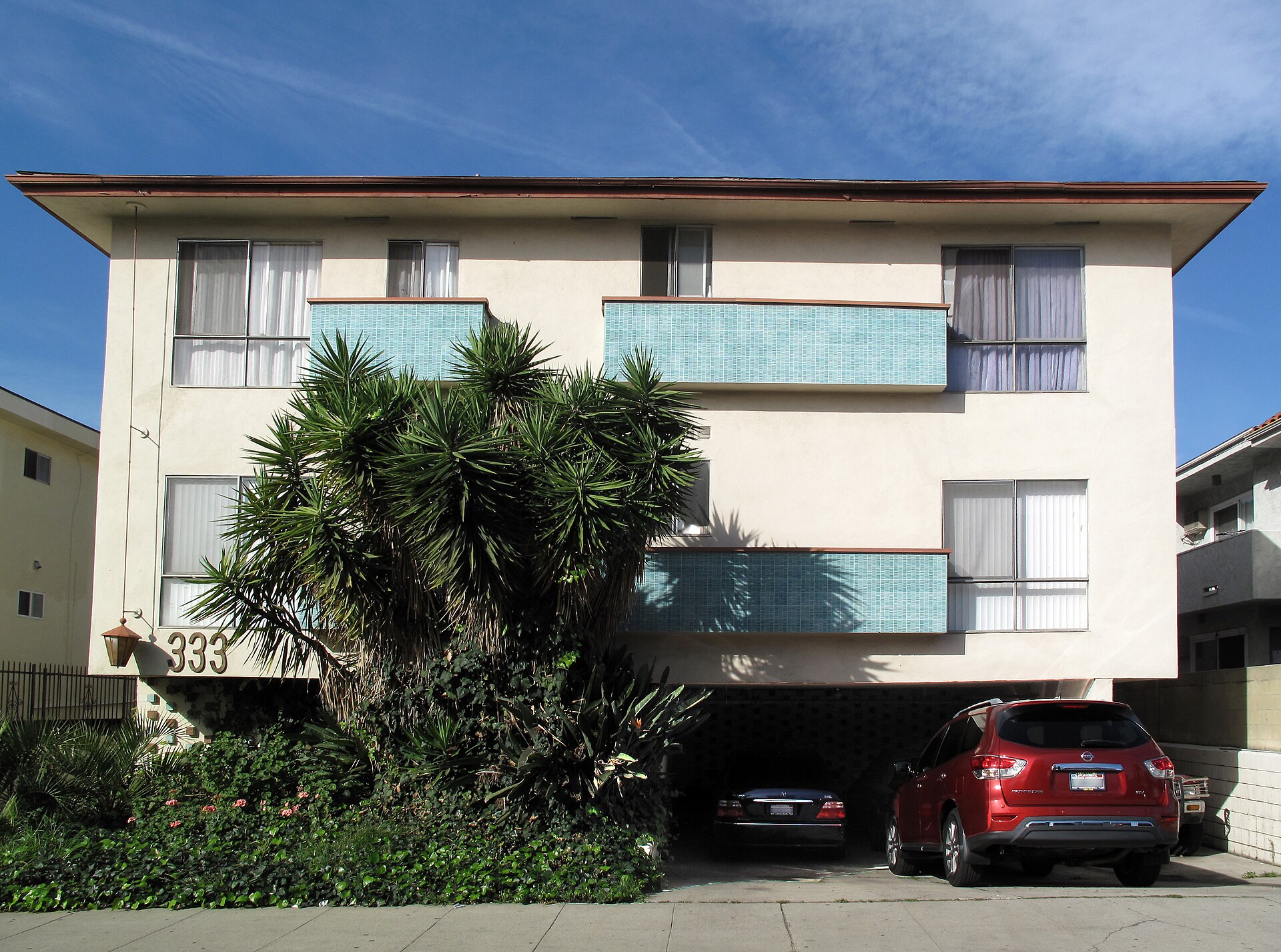
HOLLYWOOD — On my own street there is a 1927 Spanish courtyard building, a flat-roofed apartment block from the 1960s that nobody will ever photograph, and a new five-story place that went up two years ago with a coffee shop in the ground floor. They share a sidewalk. No one has been harmed.
I mention this because the debate over the neighborhood’s future keeps getting staged as a duel — the preservationists in one corner, the housing builders in the other, each certain the other will ruin everything. I have sat through the meetings. I have watched a man defend a stucco bungalow as though it were the Alamo, and watched another dismiss every old building in Hollywood as a padlock on the door of the young. Both were performing. Neither was looking down the block, where the argument they were having has already been settled, quietly, for a hundred years.
Hollywood was never a museum, and it was never a construction site either. It was both at once, continuously. The courtyard apartments that preservationists now fight to save were themselves the density of their day — thrown up fast and in quantity in the 1920s to house the people pouring in for the studios. The very buildings we now treat as sacred were once the intrusion. Somebody, in 1925, stood up at a meeting and complained that they were too tall.
We also have the receipts on reuse. The old bank building that is now apartments. The office block below the Boulevard turned into lofts. The hotel being brought back floor by floor a few streets over, which will house guests in rooms a wrecking ball would otherwise have made into a parking podium. Each of those kept an old building standing and added people to the neighborhood at the same time. That is not a grudging compromise between preservation and housing. That is both, at one address.
I don’t want to be naive about it. There are real fights here. Some old buildings genuinely should come down, and some new ones are ugly and will age worse than what they replaced. The honest disagreements are about which buildings should go, and who gets to live in whatever rises in their place. Those arguments are worth having. What isn’t worth having is the fantasy that we must choose, once and for all, between the past and the people who need somewhere to sleep.
The city’s own tools already assume the coexistence I’m describing. Adaptive-reuse rules, density bonuses that trade height for affordable units, historic overlays that protect a facade while letting the interior change — none of that is a truce between enemies. It is a set of instructions, written by people who long ago concluded that the neighborhood has to hold both things or it holds neither.
I walk my mixed-up block most evenings, past the 1927 courtyard and the forgettable sixties box and the new place with the coffee shop, and I have never once felt I was walking through a battlefield. I was walking through a neighborhood, which is the thing all that arguing is supposedly meant to protect.