From the Times archive: first published November 8, 1994. Republished as part of the archive digitization project.
HOLLYWOOD — I have seen the future, and it is a beige box that hums.
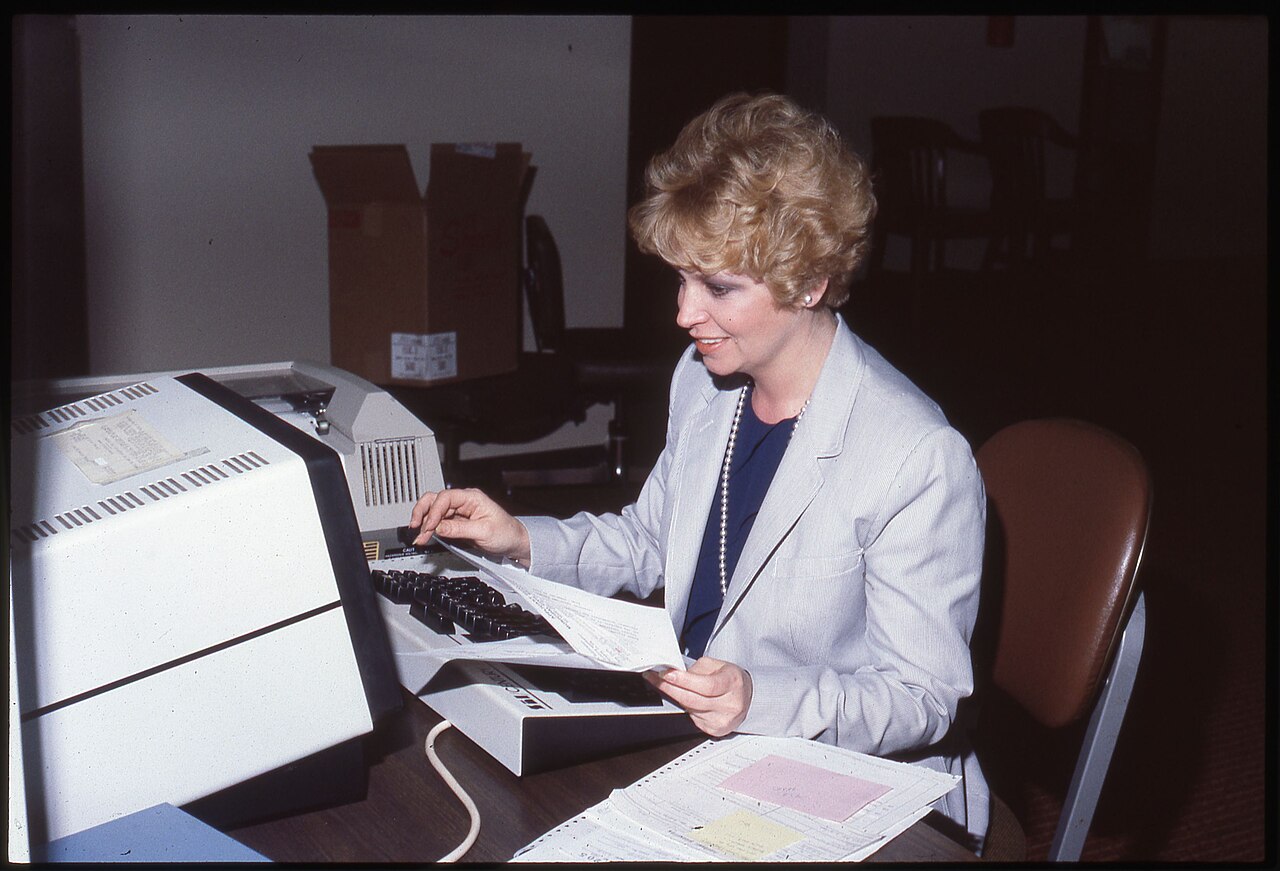
For two weeks now, in the name of research and against my better judgment, I have sat before one of these machines while a device called a modem made a sound like a cat being posted through a letter slot, and I have traveled, as the enthusiasts say, the information superhighway. I am pleased to report back to you, the sensible people who are reading this on paper, over coffee, the way God and Gutenberg intended: it is a fad.
I know. I am supposed to be frightened. The young men who explained it to me — and it is always young men, and they are always delighted — assured me that this “Internet” is the biggest thing since fire, and that within a few years we will all be doing our shopping, our banking, and very possibly our courting through the telephone line. They said this with shining eyes, in a room that smelled of warm electronics, and I nodded politely, the way one nods at a man describing his perpetual-motion machine.
Here is what I actually found on the superhighway. I found that it takes four minutes to summon a single blurry photograph, which then arrives one slow stripe at a time, like a window shade being lowered by a very tired man. I found “discussion groups” in which strangers who will never meet argue, with great heat, about television programs. I found that everything is free, which is another way of saying that no one has yet figured out how to charge for any of it, which is another way of saying that no one will.
This is the thing the enthusiasts cannot answer. A newspaper is a business. It pays reporters to go and find out what happened, and pays them poorly, and still it must sell advertisements and copies to keep the lights on. Who, on the superhighway, is paying the reporter? No one. And so what travels the wires is not news but rumor, the electronic back fence, gossip at the speed of light and worth exactly what you pay for it.
They tell me the paper is doomed. I tell them the paper is perfect. It requires no batteries and no telephone line. It does not hum. You may read it in the bath and, if you drop it, you have lost a dime and not six hundred dollars. When you are finished you may wrap fish in it, line the birdcage with it, or swat a fly, none of which you may do with a modem. It has served this city for sixty-nine years, and it does not crash, a word these young men use so often that I have begun to find it revealing.
So permit an old hand a prediction, and mark the date. This Internet will have its season, as the hula hoop had its season and the Citizens Band radio had its season, and then the novelty will wear thin, the young men will find a new toy, and the highway will empty out. The paperboy will outlast the microchip. And whatever else the coming century holds, of one thing I am entirely certain, and I will stake this column on it: no one, not ever, is going to sit down and read a newspaper on a telephone.
Now if you will excuse me, I am going to go turn this thing off. It takes a while.